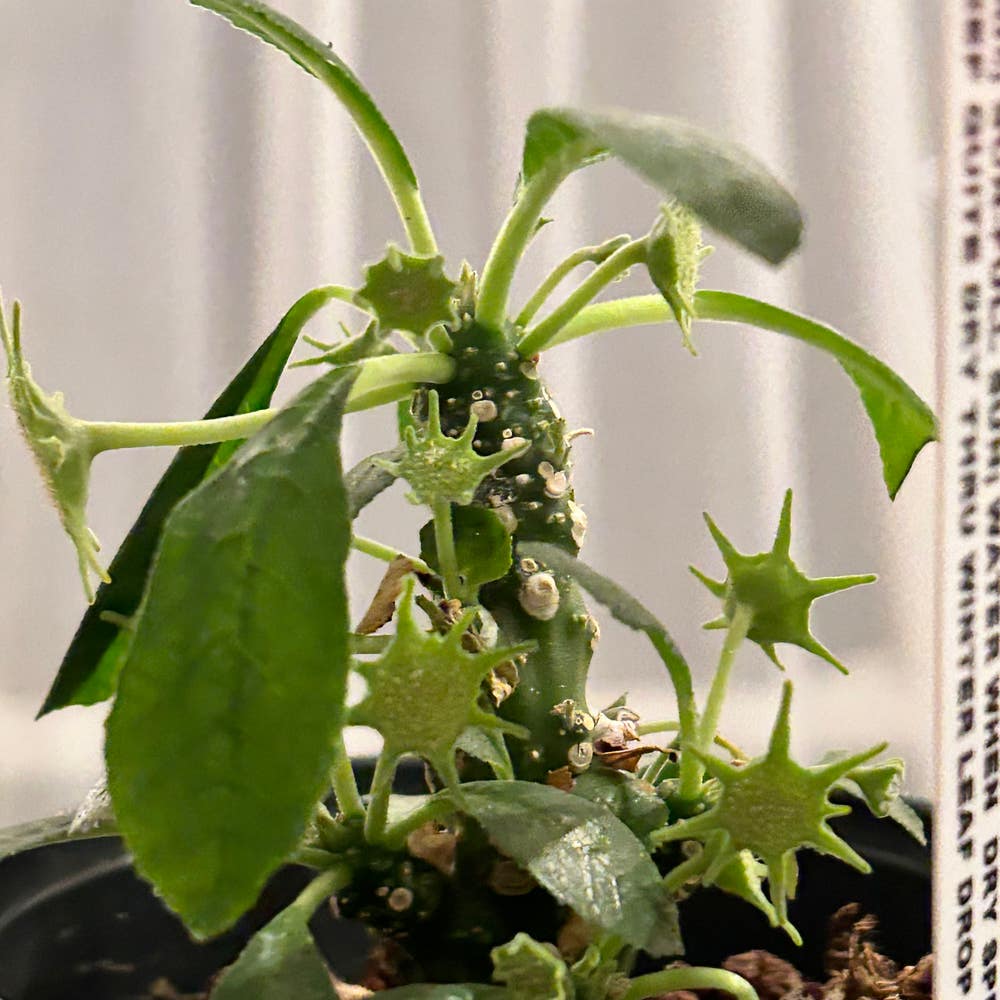
5 Key Factors in Choosing a Horwood's Dorstenia Pot 🪴
Dorstenia horwoodii
By the Greg Editorial Team
Sep 30, 2024•5 min read
This article was created with the help of AI so we can cover more plants for you. May contain errors. See one? Report it here.
- 🌱 Choose the right pot size: 4-6 inches for seedlings, 8-12 inches for mature plants.
- 💧 Ensure proper drainage: Select pots with multiple holes to prevent root rot.
- 🌿 Material affects growth: Clay is breathable; plastic retains moisture—choose wisely!
Importance of Pot Size for Different Growth Stages
🌱 Seedlings
For seedlings, a pot size of 4-6 inches in diameter is recommended. Smaller pots are crucial as they encourage root development and help prevent overwatering.
🌳 Mature Plants
Once your Horwood's Dorstenia reaches maturity, opt for a pot size between 8-12 inches in diameter. It's essential to consider depth, ensuring there’s enough space for root expansion.
🌿 Overgrown Plants
If you notice roots visible through drainage holes or stunted growth, it’s time to upgrade the pot. Increase the pot size by 2-4 inches in diameter to give your plant the room it needs to thrive.
Understanding the right pot size for each growth stage is vital for the health of your Horwood's Dorstenia. Next, let’s explore the ideal materials for pots to further enhance your plant's growth.
Ideal Materials for Pots
Choosing the right material for your Horwood's Dorstenia pot can significantly impact your plant's health and growth. Let's explore the pros and cons of various pot materials.
🏺 Clay Pots
Clay pots are a popular choice for many plant enthusiasts.
Pros: They offer excellent breathability, allowing air to circulate around the roots. This helps regulate moisture levels, which is crucial for preventing overwatering.
Cons: However, they can be heavier and more prone to breaking, especially if dropped.
🥤 Plastic Pots
Plastic pots are another common option, especially for those looking for convenience.
Pros: They are lightweight, durable, and often more affordable than clay pots. This makes them easy to move around and less likely to shatter.
Cons: On the downside, plastic pots are less breathable. They can retain moisture, which may lead to root rot if not monitored closely.
🌿 Other Materials
If you're looking for something different, consider these alternatives.
🎨 Ceramic Pots
Ceramic pots are visually appealing and can enhance your decor.
Pros: They add aesthetic value to your space, making them a stylish choice for display.
Cons: However, they tend to be heavier and more expensive than other options.
🌱 Biodegradable Options
For the eco-conscious gardener, biodegradable pots are worth considering.
Pros: They are environmentally friendly and can break down over time, reducing waste.
Cons: The downside is that they may not last as long as traditional materials, requiring more frequent replacements.
Choosing the right pot material is essential for the health of your Horwood's Dorstenia. Each option has its unique benefits and drawbacks, so consider your specific needs and preferences.
Next, let's dive into the significance of drainage holes in pot selection, ensuring your plant thrives in its new home.
Significance of Drainage Holes in Pot Selection
Importance of Drainage 🌊
Proper drainage is crucial for Horwood's Dorstenia. These plants are particularly sensitive to excess moisture, making drainage holes a non-negotiable feature in pot selection.
Effective drainage prevents overwatering, which can lead to root rot. It also promotes healthy root growth by allowing excess water to escape, ensuring your plant thrives.
Tips for Ensuring Proper Drainage 🛠️
When selecting a pot, opt for those with multiple drainage holes. This feature significantly enhances water flow and reduces the risk of waterlogging.
Additionally, using a well-draining potting mix complements your pot's drainage capabilities. This combination will keep your Horwood's Dorstenia healthy and flourishing.
With the right drainage setup, you're one step closer to nurturing a robust plant. Next, let’s explore how your pot choice can impact the overall health and growth of your Horwood's Dorstenia.
How Pot Choice Affects Health and Growth
Impact of Pot Size on Growth 🌱
Choosing the right pot size is crucial for your Horwood's Dorstenia. A pot that's too small restricts root growth, leading to stunted plants that struggle to thrive.
On the flip side, a pot that's too large can cause overwatering, which often results in root rot. Finding that sweet spot in size is essential for healthy growth.
Material Influence 🏺
The material of your pot plays a significant role in plant health. Clay pots are breathable, allowing air to circulate and moisture to escape, which is vital for root health.
In contrast, plastic pots are lightweight and durable but can retain too much moisture, increasing the risk of root rot. Consider how the material affects your plant's environment.
Pot Shape Matters 🔺
Don't overlook the shape of your pot. A wider pot can enhance air circulation and light exposure, promoting better growth.
Conversely, a tall, narrow pot may limit light access and airflow, potentially stifling your plant's development. Always think about how the pot's shape complements your plant's needs.
In summary, the right pot choice significantly impacts your Horwood's Dorstenia's health and growth. Next, let’s explore the importance of drainage holes in pot selection.
Repotting Horwood's Dorstenia
🕒 When to Repot
Repotting your Horwood's Dorstenia is essential for its health. Look for signs like roots growing out of drainage holes or yellowing leaves, which indicate it's time for a new pot.
It's generally recommended to repot every 1-2 years, but always assess the plant's condition. If it seems cramped or unhealthy, don’t hesitate to make the change sooner.
🪴 Steps for Choosing the Right Pot During Repotting
Choosing the right pot is crucial for your plant's growth. Follow these steps to ensure a successful repotting experience:
- Assess Current Pot Size and Root Health: Check if the roots are tightly packed or circling the pot.
- Select a New Pot: Choose one that is 2-4 inches larger in diameter to give your plant room to grow.
- Ensure Adequate Drainage: Look for pots with multiple drainage holes to prevent water buildup.
- Use Fresh, Well-Draining Potting Mix: This will provide the right environment for your plant to thrive.
By following these steps, you can help your Horwood's Dorstenia flourish in its new home. This proactive approach not only enhances growth but also ensures your plant remains vibrant and healthy.
Next, let’s explore how pot choice affects the overall health and growth of your plant.
⚠️ Safety First
This content is for general information and may contain errors, omissions, or outdated details. It is not medical, veterinary advice, or an endorsement of therapeutic claims.
Always consult a qualified healthcare professional before using any plant as food, medicine, or supplement.
Never eat any plant (or feed one to pets) without confirming its identity with at least two trusted sources.
If you suspect poisoning, call Poison Control (800) 222-1222, the Pet Poison Helpline (800) 213-6680, or your local emergency service immediately.
Spotted an error? Please report it here.
Choose the perfect pot for your Horwood's Dorstenia 🌿 with Greg's tailored reminders and expert tips to keep your plant thriving at every growth stage!