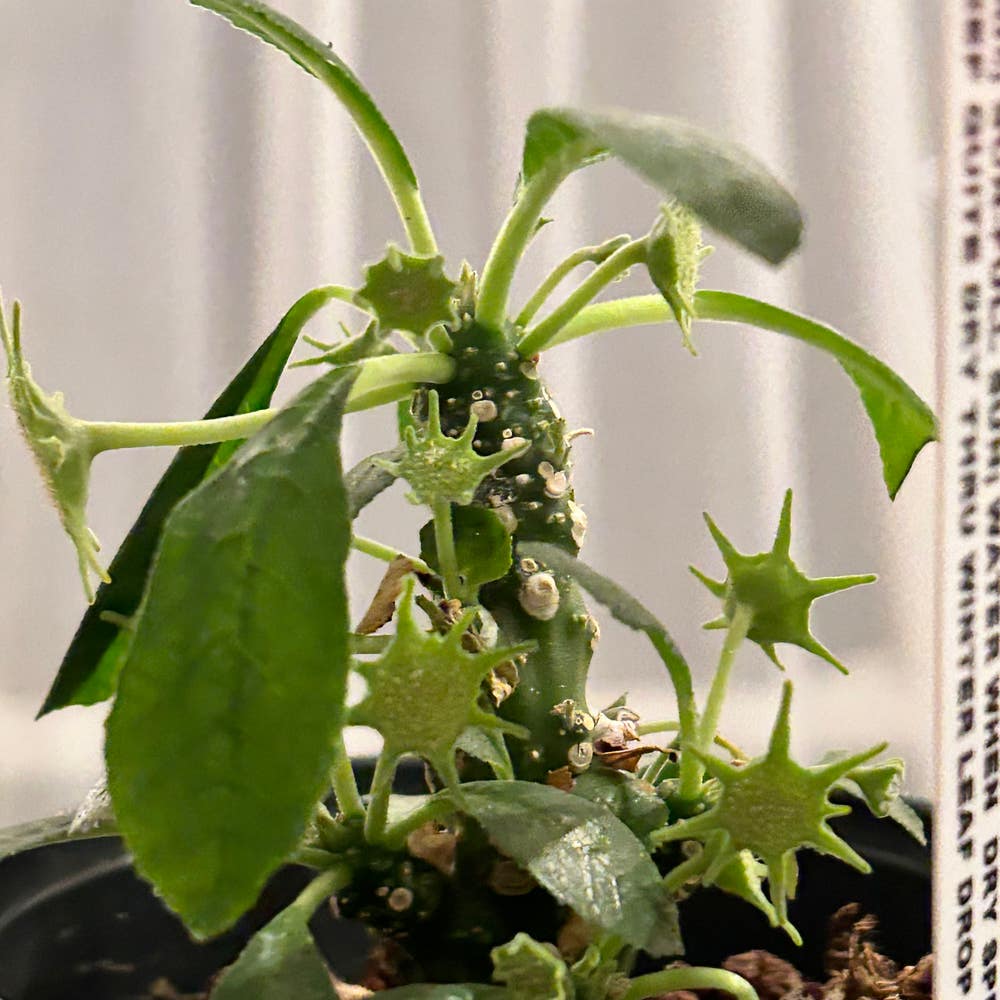
8 Tips for How to Plant Your Horwood's Dorstenia ⛏️
Dorstenia horwoodii
By the Greg Editorial Team
Sep 30, 2024•4 min read
This article was created with the help of AI so we can cover more plants for you. May contain errors. See one? Report it here.
- 🌱 Know when to plant Horwood's Dorstenia: spring or early summer for best growth.
- 🏺 Choose well-draining soil and containers to prevent waterlogging and promote healthy roots.
- 🌞 Maintain 12-18 inches spacing for air circulation and optimal growing conditions.
Key Considerations for Planting Horwood's Dorstenia
🌱 Planting vs. Transplanting
When it comes to Horwood's Dorstenia, understanding the difference between planting new specimens and transplanting established ones is crucial. Planting refers to placing a new plant into the soil, while transplanting involves moving an existing plant from one location to another.
Each method has its own ideal scenarios. Planting is best when you're starting fresh, like adding new greenery to your garden. Transplanting is preferable when you need to relocate a plant for better light or space. Knowing when to use each method can significantly impact your plant's health and growth.
Planting New Horwood's Dorstenia
🌱 Optimal Timing for Planting
The best time to plant Horwood's Dorstenia is during spring or early summer. This timing aligns with their growth cycle, allowing them to establish roots before the heat of summer.
🪴 Selecting the Right Soil Mix and Containers
For optimal growth, use a well-draining soil mix enriched with organic matter. When choosing containers, ensure they are appropriately sized with good drainage to prevent waterlogging.
📏 Proper Depth and Spacing for Planting
Plant your Dorstenia at a depth of 2-3 inches to encourage healthy root development. Maintain a spacing of 12-18 inches between plants to ensure adequate air circulation.
🌤️ Maintaining Ideal Growing Conditions
Horwood's Dorstenia thrives in warm and humid environments. While they tolerate low light, they flourish with indirect sunlight, making it essential to find the right balance.
🌿 Hardening Off Process Before Outdoor Planting
Hardening off is the process of acclimating your plants to outdoor conditions. To do this effectively, start indoors for 1-2 weeks, then gradually expose them to outdoor conditions for increasing durations.
This preparation ensures your Dorstenia will thrive in its new environment, setting the stage for successful growth. Next, we’ll explore how to transplant established Horwood's Dorstenia for optimal results.
Transplanting Established Horwood's Dorstenia
🌱 Optimal Timing for Transplanting
The best time to transplant Horwood's Dorstenia is during early spring or fall. This timing aligns with the plant's growth cycle and local climate, ensuring a smoother transition.
🛠️ Step-by-Step Instructions for Transplanting
Removing the Plant from Its Current Location
To successfully transplant, gather your tools: a shovel, trowel, and pruning shears.
- Water the plant a day before transplanting to hydrate the roots.
- Gently dig around the root zone to minimize disturbance.
- Lift the plant, keeping as much soil intact as possible to protect the roots.
Preparing the New Planting Site
Choose a well-draining area that receives adequate sunlight for your Dorstenia.
If necessary, amend the soil with organic matter to enhance drainage and nutrient content.
Ensuring Proper Placement and Spacing
When placing the plant, center the root ball in the new hole for stability.
Maintain a spacing of 12-18 inches from other plants to allow for air circulation and growth.
💧 Tips for Watering and Mulching
After transplanting, soak the area thoroughly to help settle the soil around the roots.
Applying a layer of organic mulch will retain moisture and suppress weeds, giving your plant the best chance to thrive.
Transplanting can be a rewarding experience, setting the stage for your Horwood's Dorstenia to flourish in its new home. Next, let’s explore how to troubleshoot common issues that may arise during this process.
Troubleshooting Common Issues
🌱 Identifying and Addressing Transplant Shock
Transplant shock can be a real concern for Horwood's Dorstenia. Symptoms include wilting and yellowing leaves, signaling that your plant is struggling to adapt.
To combat this, ensure proper watering. Keep the soil consistently moist but not soggy, and avoid over-fertilization, which can stress the plant further.
🛠️ Solutions for Establishment Problems
Sometimes, newly planted or transplanted Dorstenia may face establishment problems. Common issues include poor root establishment and inadequate light.
To improve conditions, adjust your watering schedule and ensure your plant receives enough light. A little extra care can go a long way in helping your Dorstenia thrive.
🌿 General Care Tips for Newly Planted or Transplanted Dorstenia
Monitoring moisture levels is crucial for your plant's health. Regularly check the soil to ensure it’s not too dry or overly saturated.
Additionally, inspect your Dorstenia for pests and diseases. Adjust your care based on how the plant responds to its new environment, and you'll set it up for success.
With these troubleshooting tips, you can help your Horwood's Dorstenia flourish in its new home. Next, let’s explore how to ensure your plant thrives with the right care and attention.
⚠️ Safety First
This content is for general information and may contain errors, omissions, or outdated details. It is not medical, veterinary advice, or an endorsement of therapeutic claims.
Always consult a qualified healthcare professional before using any plant as food, medicine, or supplement.
Never eat any plant (or feed one to pets) without confirming its identity with at least two trusted sources.
If you suspect poisoning, call Poison Control (800) 222-1222, the Pet Poison Helpline (800) 213-6680, or your local emergency service immediately.
Spotted an error? Please report it here.
Plant your Horwood's Dorstenia with confidence 🌱 by using Greg's personalized care reminders to keep it thriving from planting to transplanting!