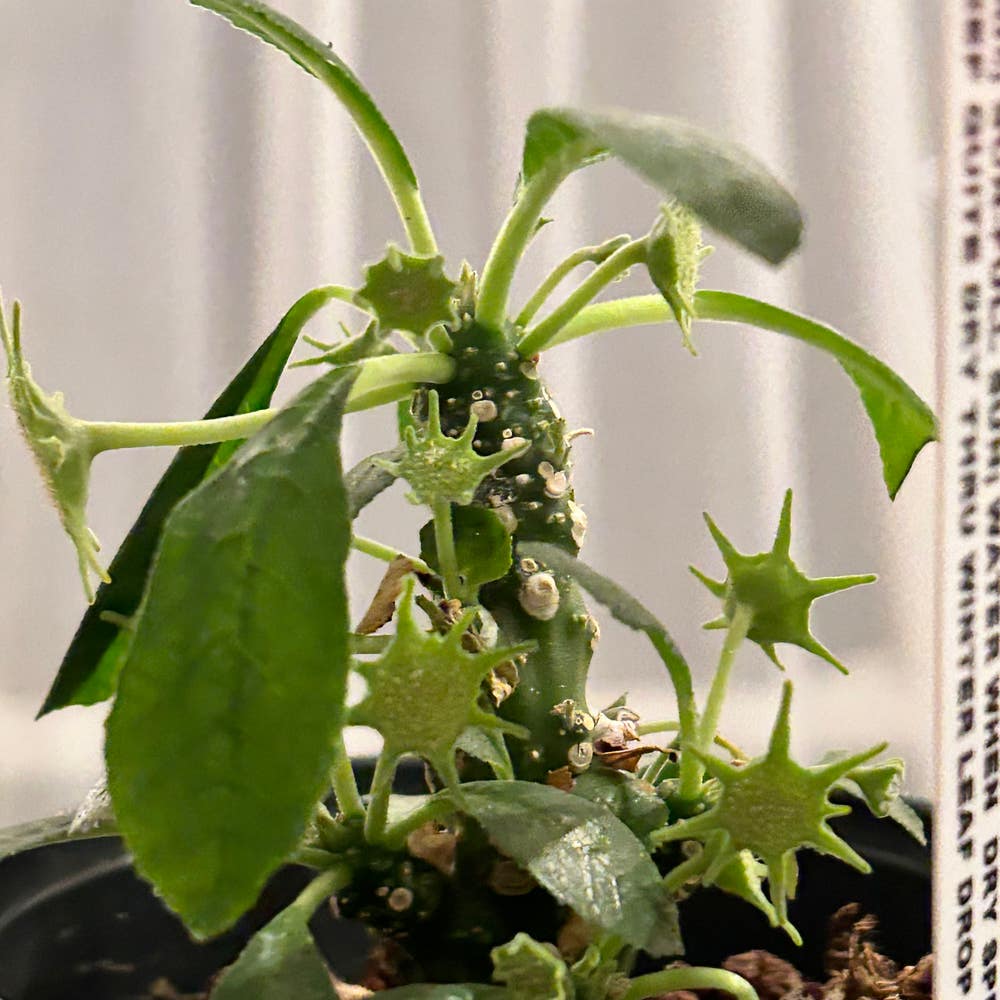
Why Horwood's Dorstenia Is Not an Annual
Dorstenia horwoodii
By the Greg Editorial Team
Sep 30, 2024•4 min read
This article was created with the help of AI so we can cover more plants for you. May contain errors. See one? Report it here.
- 🌱 Horwood's Dorstenia is a perennial, thriving through unique genetic traits and adaptations.
- 🌼 It flowers continuously across seasons, optimizing growth and reproductive success.
- 🌍 Understanding its nature aids gardeners in effective care and cultivation strategies.
Horwood's Dorstenia Characteristics
🌱 Genetic Traits
Horwood's Dorstenia boasts a unique chromosomal structure that enhances its long-term survival. This adaptation allows it to thrive in diverse environments, showcasing impressive genetic resilience.
🌿 Physiological Traits
The plant features fleshy stems and leaves, which are crucial for water retention and nutrient storage. This design supports its photosynthetic efficiency, enabling continuous growth in tropical conditions.
📈 Long-Term Lifecycle and Growth Patterns
Horwood's Dorstenia exhibits a remarkable growth cycle characterized by continuous growth and flowering across multiple seasons. Its seasonal behavior allows it to adapt seamlessly to environmental changes, ensuring its survival year after year.
This adaptability not only highlights its resilience but also sets the stage for understanding its reproductive strategies, which we will explore next.
Reproductive Strategies
🌸 Flowering Cycles
Horwood's Dorstenia exhibits unique flowering cycles that align with seasonal patterns. These cycles are often triggered by environmental cues, such as temperature and humidity changes, ensuring that flowering occurs at the most advantageous times.
Pollination strategies are equally fascinating. In tropical environments, this plant attracts a variety of pollinators, including bees and butterflies, which play a crucial role in its reproductive success.
🌱 Seed Production Compared to Annuals
When it comes to seed production, Horwood's Dorstenia stands out. Unlike annuals, which may produce a large quantity of seeds in a short time, this plant has a more measured approach, focusing on quality and timing for optimal dispersal.
The viability of its seeds is impressive as well. They can remain dormant for extended periods, ensuring that germination occurs under favorable conditions, which is a significant advantage in fluctuating environments.
🌿 Adaptations for Survival
One of the most remarkable adaptations of Horwood's Dorstenia is its ability to reproduce vegetatively. This means it can create new plants without relying solely on seeds, providing a backup strategy for survival.
Additionally, the plant has developed various environmental adaptations. These strategies enable it to thrive in diverse conditions, showcasing its resilience and versatility in the face of challenges.
As we explore these reproductive strategies, it's clear that Horwood's Dorstenia is not just a plant; it's a testament to nature's ingenuity. Next, we'll delve into the misconceptions surrounding its classification and how regional variations can influence its perception.
Misconceptions and Exceptions
🌱 Conditions Where It May Be Treated as an Annual
Horwood's Dorstenia can sometimes be misclassified as an annual due to environmental stressors. Cooler temperatures or prolonged drought can hinder its growth, leading gardeners to mistakenly believe it only thrives for one season.
Misinterpretation of its growth habits also plays a role. In non-tropical regions, its lush, perennial nature may not be as evident, causing confusion with true annuals that complete their lifecycle in a single year.
🌍 Regional Variations Affecting Classification
Geographic influences significantly affect how Horwood's Dorstenia is classified. In areas with harsher climates, its growth may be stunted, prompting gardeners to treat it as an annual.
Local gardening practices further complicate this classification. In some regions, the plant may be cultivated as an annual due to environmental limitations, despite its inherent perennial characteristics.
Understanding these misconceptions can help gardeners appreciate the true nature of Horwood's Dorstenia and make informed decisions about its care and cultivation.
Implications for Gardeners
🌼 Benefits in Garden Design
Horwood's Dorstenia brings a unique aesthetic to any garden. Its striking foliage and vibrant flowering patterns can transform ordinary spaces into tropical paradises.
Investing in this perennial plant means less hassle over time. Unlike annuals, you won't need to replant each season, making it a smart choice for long-term garden planning.
⏳ Strategies for Maximizing Longevity
To keep your Dorstenia thriving, pay attention to its soil and watering needs. Well-draining soil and consistent moisture are key to maintaining its health.
Adjust your care based on the seasons. During warmer months, ensure it receives ample light, while in cooler periods, you may need to reduce watering.
✂️ Tips for Management
Pruning is essential for encouraging healthy growth and abundant flowering. Regularly trim back any dead or overgrown stems to promote a fuller appearance.
Pest and disease management is crucial for longevity. Keep an eye out for common issues and take preventative measures to ensure your Dorstenia remains vibrant and healthy.
By understanding these aspects, you can enjoy the beauty of Horwood's Dorstenia for years to come. Next, let’s explore some misconceptions and exceptions surrounding this fascinating plant.
⚠️ Safety First
This content is for general information and may contain errors, omissions, or outdated details. It is not medical, veterinary advice, or an endorsement of therapeutic claims.
Always consult a qualified healthcare professional before using any plant as food, medicine, or supplement.
Never eat any plant (or feed one to pets) without confirming its identity with at least two trusted sources.
If you suspect poisoning, call Poison Control (800) 222-1222, the Pet Poison Helpline (800) 213-6680, or your local emergency service immediately.
Spotted an error? Please report it here.
Discover the enduring beauty of Horwood's Dorstenia 🌼, and let Greg provide you with personalized care tips and watering reminders to help your perennial thrive all year round!