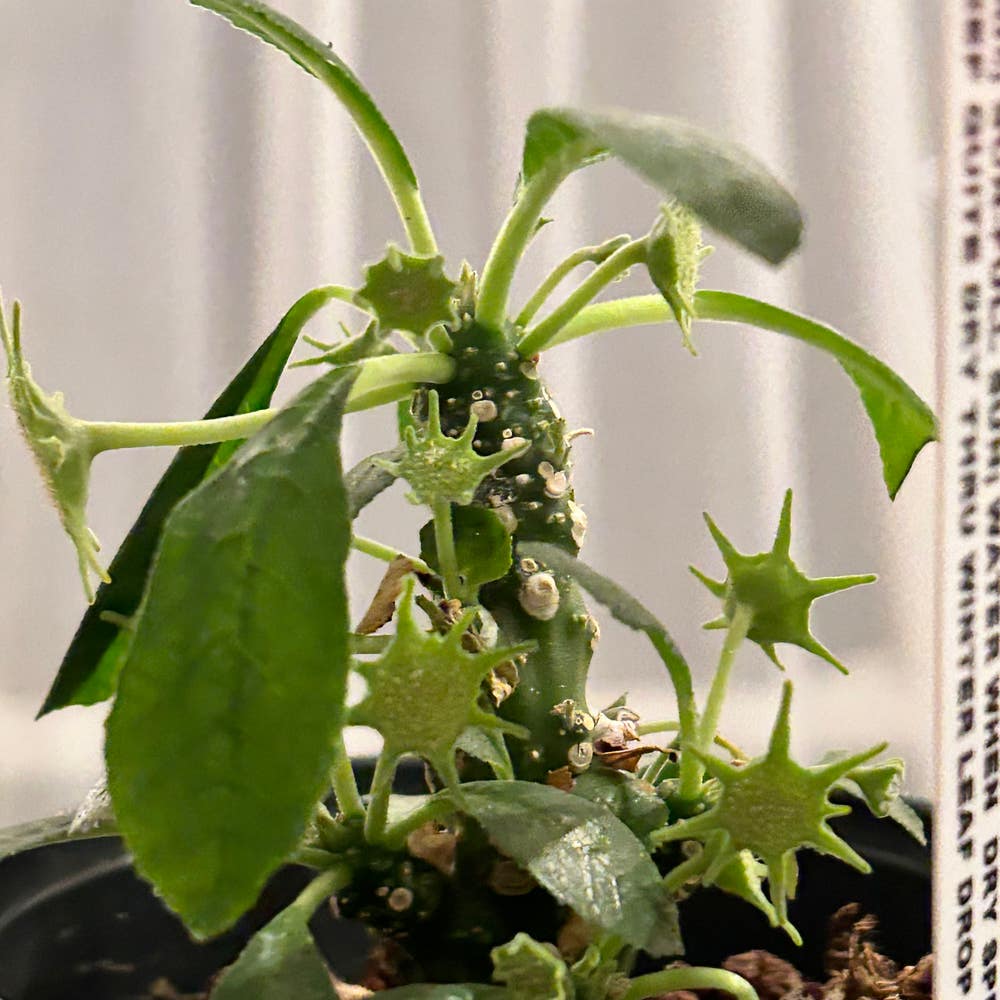
🌼 Horwood's Dorstenia: A Perennial Plant
Dorstenia horwoodii
By the Greg Editorial Team
Sep 30, 2024•6 min read
This article was created with the help of AI so we can cover more plants for you. May contain errors. See one? Report it here.
- 🌱 Horwood's Dorstenia thrives for years, unlike annuals that last just one season.
- 🌞 Adaptable to light and soil, this low-maintenance plant suits various gardening conditions.
- 🌼 With proper care, it can flower year-round, enhancing your garden's beauty continuously.
Characteristics of Horwood's Dorstenia as a Perennial
Multi-Year Lifecycle 🌱
Horwood's Dorstenia is a remarkable perennial that can thrive for several years, continuously growing and flowering. Unlike annual plants, which complete their lifecycle in just one year, Horwood's Dorstenia endures through multiple seasons, showcasing its resilience.
Growth Patterns and Regrowth from Roots 🌿
This plant features unique growth habits, characterized by fleshy stems and broad leaves that enhance its perennial nature. Each year, it utilizes its established root system to sprout new growth, ensuring a robust return season after season.
Resilience and Adaptability 🌍
Horwood's Dorstenia is notably adaptable, thriving in various light conditions and soil types. This resilience makes it an excellent choice for gardeners looking for a low-maintenance yet vibrant addition to their landscape.
With its multi-year lifecycle and unique growth patterns, Horwood's Dorstenia stands out as a perennial that not only survives but flourishes. Next, we’ll explore its flowering patterns and lifespan, revealing how this plant continues to impress throughout its life.
Flowering Patterns and Lifespan
🌸 Flowering Patterns
Horwood's Dorstenia has a remarkable ability to flower throughout the year, given the right conditions. This perennial plant thrives under optimal light, humidity, and temperature, making it a vibrant addition to any garden.
Light plays a crucial role in its flowering behavior. Adequate sunlight encourages more blooms, while insufficient light can lead to fewer flowers. Similarly, humidity levels and temperature fluctuations can significantly influence how often and how long the plant flowers.
⏳ Expected Lifespan
Typically, Horwood's Dorstenia can live for several years, showcasing its resilience as a perennial. With proper care, it can thrive for a decade or more, providing beauty and interest in your garden.
Several factors can impact its longevity. Soil quality, climate conditions, and consistent care practices all contribute to how long your Horwood's Dorstenia will flourish. Ensuring optimal conditions can extend its lifespan, making it a worthwhile investment for any gardener.
As you explore the flowering patterns and lifespan of Horwood's Dorstenia, consider how these elements interact with dormancy and seasonal changes. Understanding these connections will enhance your gardening experience and help you cultivate a thriving perennial.
Dormancy and Seasonal Changes
🌱 Description of Dormancy Periods
Dormancy in Horwood's Dorstenia occurs when growth slows or halts, often due to environmental factors like temperature and light. During this time, the plant conserves energy, preparing for the next growth phase.
Signs of dormancy are noticeable. You might see changes in leaf color and a marked reduction in growth rate, signaling that the plant is taking a well-deserved break.
🌦️ Seasonal Changes Affecting Growth and Flowering
Seasonal changes significantly impact Horwood's Dorstenia. Fluctuations in temperature and humidity can alter growth patterns and flowering frequency, making it essential to monitor these conditions.
To adapt, Horwood's Dorstenia employs various strategies. It may adjust its water intake and nutrient absorption based on the season, ensuring it thrives no matter the environmental challenges.
Understanding these dormancy periods and seasonal changes can help you better care for your Horwood's Dorstenia, ensuring it remains vibrant and healthy throughout the year. Next, let’s explore the advantages this perennial plant offers to gardeners.
Advantages for Gardeners
Benefits of Reduced Replanting 🌱
Once established, Horwood's Dorstenia is a low-maintenance gem. It doesn't require annual replanting, which means less hassle and more time to enjoy your garden.
This perennial plant offers significant cost-effectiveness. By reducing the need for yearly replacements, you save both money and resources in the long run.
Importance of Established Root Systems 🌳
Horwood's Dorstenia boasts robust root systems that enhance its stability. These roots improve nutrient uptake and increase drought resistance, making the plant more resilient.
In contrast to annual plants, established roots provide a solid foundation for overall health. This resilience allows Horwood's Dorstenia to thrive even in less-than-ideal conditions, ensuring a flourishing garden year after year.
With these advantages, gardeners can enjoy a vibrant landscape with minimal effort. Next, let’s explore how climate zone variations impact the growth and longevity of Horwood's Dorstenia.
Climate Zone Variations
Variations in Perennial Behavior 🌱
Climate plays a crucial role in the growth and flowering of Horwood's Dorstenia. In tropical climates, this perennial often exhibits vigorous growth and can flower year-round, thanks to the warm temperatures and consistent humidity.
In contrast, temperate climates may slow its growth and limit flowering to specific seasons. Understanding these differences helps gardeners tailor their care strategies effectively.
Adaptability to Varying Conditions 🌍
Horwood's Dorstenia is remarkably adaptable, thriving in diverse environments. Whether in a humid tropical setting or a drier temperate zone, this plant adjusts its growth patterns to suit local conditions.
Its resilience allows it to flourish even when faced with fluctuating temperatures and varying light levels. This adaptability makes it a favorite among gardeners looking for a low-maintenance perennial.
Factors Influencing Longevity ⏳
Several key factors influence the longevity of Horwood's Dorstenia. Soil type is paramount; well-draining, nutrient-rich soil promotes healthy root systems.
Moisture levels also play a significant role. Consistent watering, without waterlogging, helps maintain its vigor. Temperature fluctuations can either extend or shorten its lifespan, so monitoring local climate conditions is essential.
Strategies for Optimizing Growth in Different Climates 🌿
To maximize the growth of Horwood's Dorstenia, consider these strategies:
- Soil Preparation: Use a well-draining mix enriched with organic matter.
- Watering Schedule: Adjust watering frequency based on seasonal rainfall and humidity.
- Temperature Management: Provide shade during extreme heat and protection from frost in cooler months.
By tailoring care to local conditions, you can ensure that Horwood's Dorstenia not only survives but thrives in your garden.
As we explore the next section, we'll delve into how to maximize the benefits of this resilient perennial in your garden planning.
Maximizing Perennial Benefits
Tips for Garden Planning 🌱
Strategic placement in your garden is crucial for Horwood's Dorstenia. Consider factors like light exposure, available space, and companion planting to create a thriving environment.
Utilizing tools like the Greg plant care app can help you stay on top of seasonal care reminders. This app can alert you when it's time to water or fertilize, ensuring your plant gets the attention it needs.
Long-Term Cultivation Strategies 🌿
Maintaining the health of your Horwood's Dorstenia requires regular monitoring. Keep an eye on its growth and adjust your watering and fertilization schedules accordingly.
To encourage flowering and robust growth, create optimal conditions tailored to your plant's needs. This might include adjusting light levels or ensuring consistent moisture, ultimately leading to a vibrant garden display.
With these strategies, you can fully enjoy the benefits of having a perennial plant like Horwood's Dorstenia. As you cultivate it, you'll find that your efforts yield not just a beautiful plant, but also a deeper connection to your gardening journey.
⚠️ Safety First
This content is for general information and may contain errors, omissions, or outdated details. It is not medical, veterinary advice, or an endorsement of therapeutic claims.
Always consult a qualified healthcare professional before using any plant as food, medicine, or supplement.
Never eat any plant (or feed one to pets) without confirming its identity with at least two trusted sources.
If you suspect poisoning, call Poison Control (800) 222-1222, the Pet Poison Helpline (800) 213-6680, or your local emergency service immediately.
Spotted an error? Please report it here.
Cultivate the vibrant beauty of Horwood's Dorstenia 🌿 with Greg's tailored care reminders and growth tips, ensuring your perennial thrives for years to come!