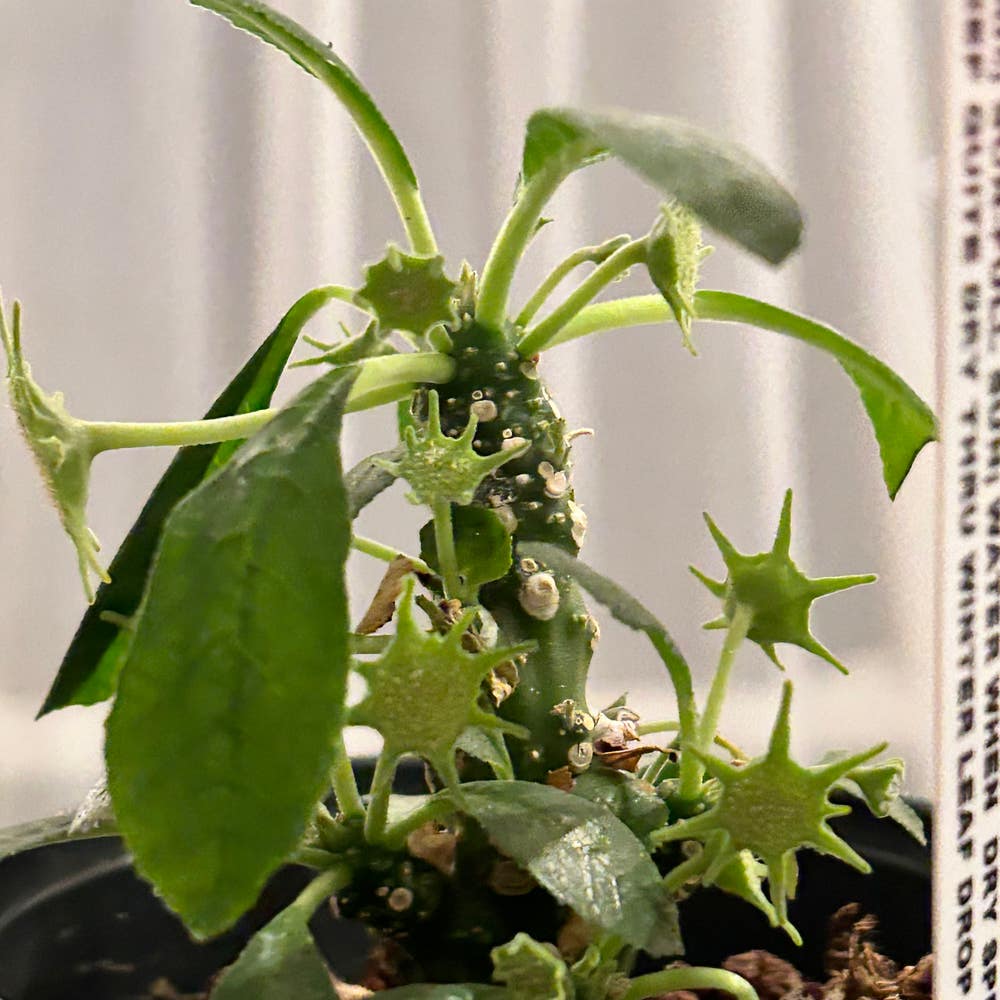
❄️ 10 Winter Threats to Your Horwood's Dorstenia
Dorstenia horwoodii
By the Greg Editorial Team
Sep 30, 2024•6 min read
This article was created with the help of AI so we can cover more plants for you. May contain errors. See one? Report it here.
- ❄️ Frost protection is essential for Horwood's Dorstenia to survive winter cold.
- 🌬️ Create windbreaks and use frost cloths to shield plants from harsh conditions.
- 💧 Adjust watering to every 2-3 weeks in winter, preventing overwatering and stress.
Winter Care Requirements
❄️ Frost protection methods
Frost protection is crucial for Horwood's Dorstenia, as these plants are sensitive to cold temperatures. Implementing effective frost protection techniques can significantly enhance their chances of survival during winter.
Outdoor protection techniques
- Using frost cloths or blankets: Cover your plants with frost cloths or blankets to trap heat and shield them from freezing temperatures.
- Creating windbreaks with barriers: Set up barriers like burlap or wooden screens to block cold winds that can damage your plants.
- Mulching around the base: Apply a layer of mulch around the base to insulate the roots and maintain soil temperature.
Indoor protection strategies
- Keeping plants away from cold drafts: Position your Horwood's Dorstenia away from windows or doors that may let in cold air.
- Utilizing space heaters or heat mats: Consider using space heaters or heat mats to maintain a warm environment, especially during particularly chilly nights.
💧 Adjusting watering schedules for winter
Modifying your watering schedule during the winter months is essential as Horwood's Dorstenia enters a dormant phase. Aim to water every 2-3 weeks, allowing the soil to dry out between waterings.
Signs of overwatering and underwatering
Watch for signs of overwatering, such as yellowing leaves or mushy stems, which indicate root rot. Conversely, underwatering may manifest as wilting or crispy leaf edges, signaling that your plant needs more moisture.
🌱 Fertilizing needs during winter months
During winter, Horwood's Dorstenia requires fewer nutrients, so it's important to adjust your fertilization routine. Fertilize once every 6-8 weeks to provide essential nutrients without overwhelming the plant.
Types of fertilizers suitable for winter use
Opt for a balanced, water-soluble fertilizer that is low in nitrogen. This will support your plant's health without promoting excessive growth during the dormant season.
As you navigate winter care for your Horwood's Dorstenia, remember that each step you take helps ensure a thriving plant come spring. Next, let’s explore how to create optimal indoor conditions for your plant's well-being.
Indoor Care for Horwood's Dorstenia
🌞 Optimal indoor conditions (light, temperature, humidity)
To thrive indoors, Horwood's Dorstenia needs bright, indirect light. This helps mimic its natural habitat, promoting healthy growth without the risk of leaf burn.
Temperature is crucial; aim to maintain a range of 60°F to 75°F (15°C to 24°C). Keeping it within this range ensures your plant remains comfortable and vibrant.
Humidity levels should stay above 50%. A humid environment supports the plant's health, preventing dryness and stress.
🏡 Transitioning from outdoor to indoor care
Timing is everything when moving your Horwood's Dorstenia indoors. Bring it inside before the first frost to avoid shock and damage.
Acclimatization is key; gradually transition your plant over 1-2 weeks. This helps it adjust to the indoor environment without stress.
During this transition, keep an eye out for pests. Regular inspections can help catch any unwanted visitors before they settle in.
By ensuring optimal indoor conditions and a smooth transition, your Horwood's Dorstenia will thrive throughout the winter months. Next, let’s explore how to prepare for spring recovery and growth.
Spring Preparation and Recovery
🌨️ Signs of winter damage and how to assess
As winter fades, it's crucial to check your Horwood's Dorstenia for signs of frost damage. Look for discoloration, mushy stems, and wilting leaves, which indicate that your plant may have suffered during the colder months.
To assess overall plant health, inspect the root systems and foliage closely. Healthy roots should be firm and white, while any signs of rot or decay require immediate attention.
✂️ Steps for recovery and rejuvenation in spring
Once you've identified any damage, it's time to prune. Remove any dead or damaged leaves and stems to encourage new growth. Pruning should be done carefully, ideally in early spring when the plant begins to wake up.
Next, reassess your watering and fertilizing schedules. Spring growth demands more nutrients, so adjust your routine to support the plant's recovery.
🌱 Preparing for the growing season after winter
Gradually reintroducing your Horwood's Dorstenia to outdoor conditions is essential. Start by placing it in a sheltered spot to acclimate to increased light and warmth.
Adjust your care routines accordingly, ensuring the plant receives adequate water and nutrients as it transitions into the growing season. This careful approach will set the stage for vibrant growth and health throughout the warmer months.
Common Winter Threats
❄️ Identifying and mitigating frost damage
Frost can be a silent killer for your Horwood's Dorstenia. Look out for signs like wilting, browning leaves, and unexpected leaf drop.
If you suspect frost damage, act quickly. Move the plant to a warmer location and cover it with frost cloths to provide immediate protection.
🐜 Addressing pests and diseases during winter months
Winter isn't just about cold; it's also prime time for pests like aphids and spider mites. Regular inspections are crucial to catch these invaders early.
To prevent infestations, maintain humidity levels above 50%. If you notice signs of fungal infections, such as discolored spots on leaves, take action by removing affected areas and improving air circulation.
By staying vigilant, you can protect your Horwood's Dorstenia from both frost and pests, ensuring it thrives through the winter months. Next, let’s explore how geographic considerations impact your winter care strategies.
Geographic Considerations
Cold Hardiness Zones for Horwood's Dorstenia 🌡️
Horwood's Dorstenia thrives best in USDA hardiness zones 10-11. These zones provide the warm temperatures and mild winters that this plant needs to flourish.
Understanding your zone is crucial for effective winter care. If you're in a colder region, you may need to take extra precautions to protect your plant from frost and freezing temperatures.
Regional Differences in Winter Care Practices 🗺️
Winter care for Horwood's Dorstenia can vary significantly based on geographic location. For instance, areas with milder winters may require less protective measures compared to regions that experience harsh cold.
Temperature and humidity levels play a vital role in how you care for your plant. Tailoring your care practices to your local climate ensures your Dorstenia remains healthy and vibrant throughout the winter months.
In summary, knowing your hardiness zone and adjusting care based on regional conditions will set you up for success. This proactive approach will help your Horwood's Dorstenia thrive, no matter where you live.
Next, let’s explore how to identify and mitigate frost damage effectively.
⚠️ Safety First
This content is for general information and may contain errors, omissions, or outdated details. It is not medical, veterinary advice, or an endorsement of therapeutic claims.
Always consult a qualified healthcare professional before using any plant as food, medicine, or supplement.
Never eat any plant (or feed one to pets) without confirming its identity with at least two trusted sources.
If you suspect poisoning, call Poison Control (800) 222-1222, the Pet Poison Helpline (800) 213-6680, or your local emergency service immediately.
Spotted an error? Please report it here.
Keep your Horwood's Dorstenia thriving this winter ❄️ with Greg's personalized care reminders for watering and pest checks, ensuring it stays healthy and happy through the cold months!