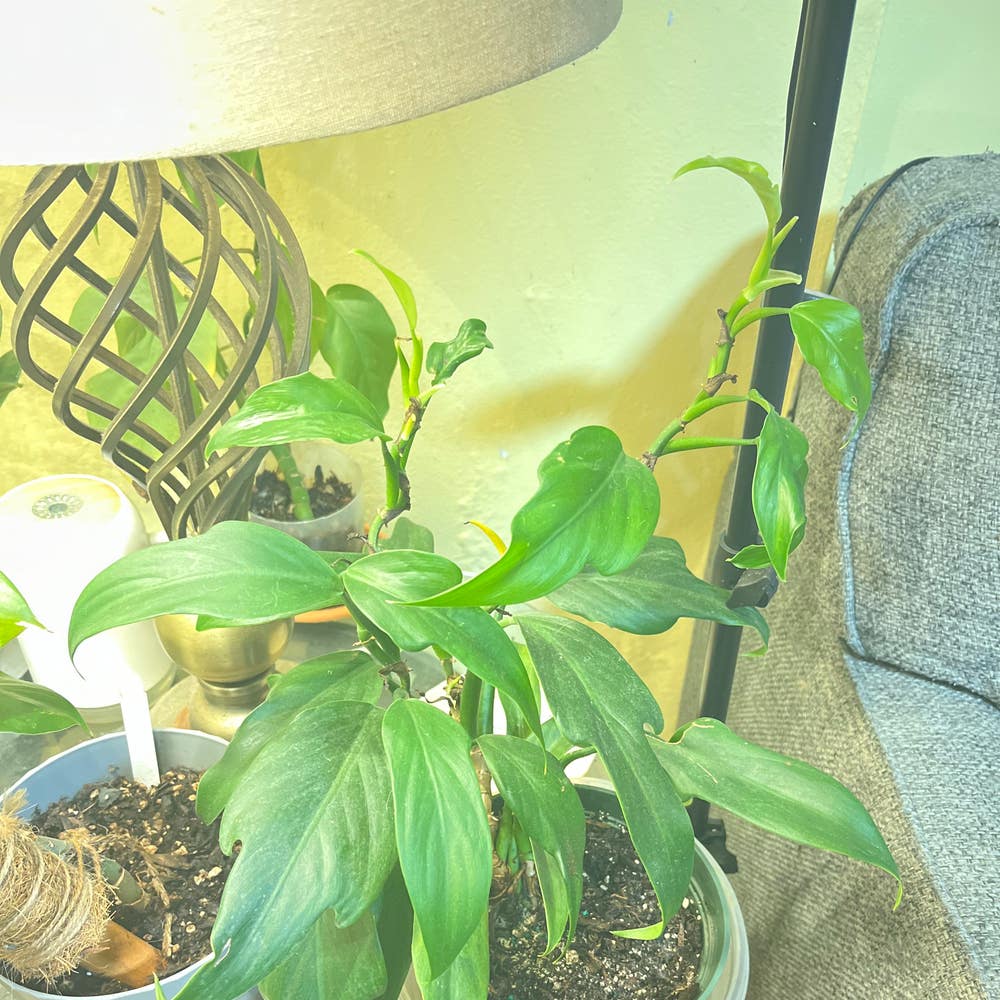
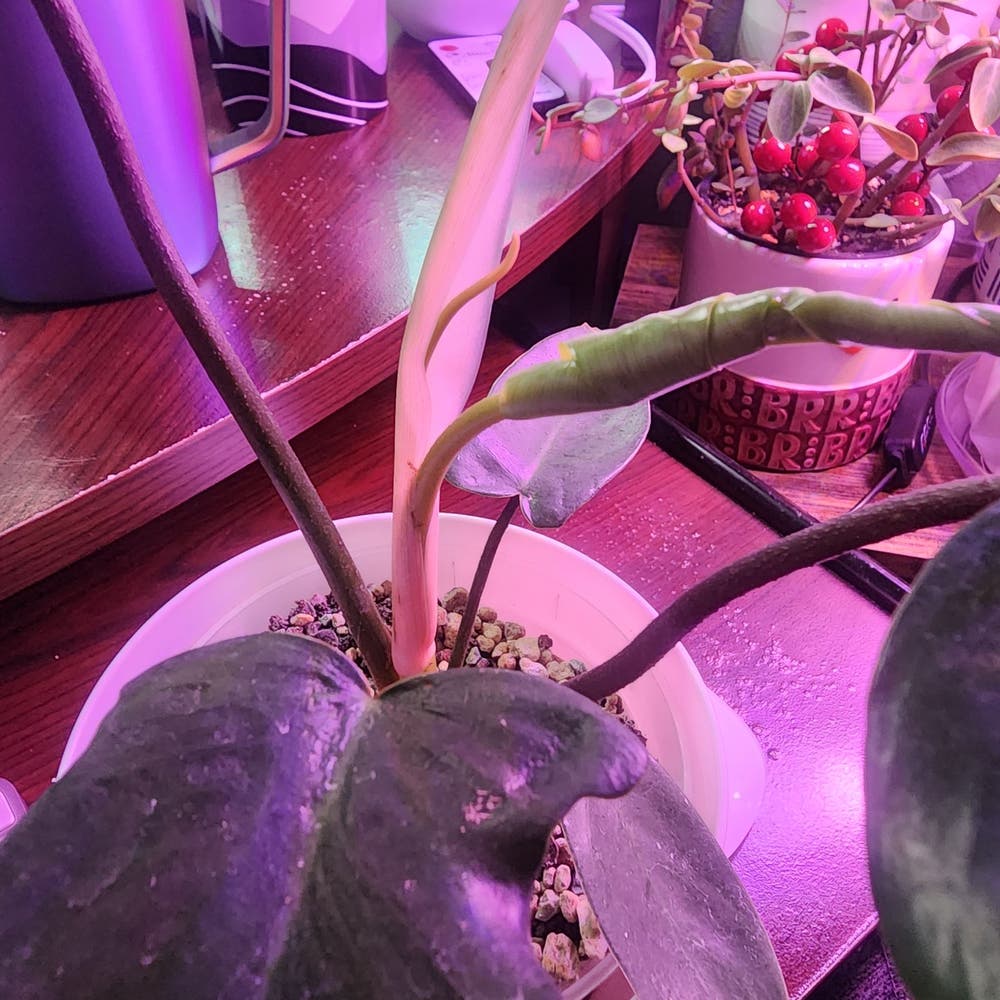
3 Ideal Locations to Plant Fiddleleaf Philodendron 🏡
Philodendron panduriforme
By the Greg Editorial Team
Sep 28, 2024•2 min read
This article was created with the help of AI so we can cover more plants for you. May contain errors. See one? Report it here.
- 🌞 Fiddleleaf Philodendron thrives in bright, filtered light; avoid direct sunlight to prevent burns.
- 🌱 Well-draining, organic-rich soil with pH 6.0-7.0 is ideal for healthy growth.
- 🌬️ Consider wind and microclimates for optimal placement and protection of your plant.
Ideal Locations for Fiddleleaf Philodendron
☀️ Sunlight Exposure Requirements
Fiddleleaf Philodendron thrives in bright, filtered light. While it can tolerate indirect sunlight, it may not reach its full potential in lower light conditions.
Look for signs of inadequate light, such as yellowing leaves and leggy growth. It's crucial to avoid direct sunlight, as this can lead to leaf burn and damage.
Seasonal adjustments are also important. Keep an eye on how light changes throughout the year to ensure your plant gets the best exposure.
🌱 Soil Type Preferences
The ideal soil for Fiddleleaf Philodendron is well-draining and rich in organic matter. Aim for a slightly acidic to neutral pH, ideally between 6.0 and 7.0.
Aeration is vital for healthy root development. You can easily test your soil's pH and drainage at home to ensure it meets these needs.
If your soil needs improvement, consider adding compost or perlite. These amendments enhance drainage and provide essential nutrients.
🌳 Proximity to Other Plants or Structures
When planting Fiddleleaf Philodendron, allow for adequate spacing. This ensures air circulation and light access, both crucial for healthy growth.
Think about companion planting. Choose plants that complement Fiddleleaf Philodendron without overcrowding it, as this can lead to disease and competition for resources.
Also, assess how nearby structures might cast shadows. Planning for the mature size of your plant will help avoid future issues.
🌬️ Wind Protection Needs
Fiddleleaf Philodendron is sensitive to wind, which can cause leaf damage. Place it near structures or taller plants to create natural windbreaks.
Observe the prevailing winds in your planting area. This will help you determine the best placement for your plant.
Consider protective measures like fencing or planting wind-resistant species nearby. Stability is key, so ensure your plant is anchored well in windy conditions.
🌡️ Assessing Microclimates
Microclimates are small areas with different climate conditions than their surroundings. Identifying these in your garden can significantly impact your Fiddleleaf Philodendron's growth.
Use walls, trees, and structures to create shade or warmth. These features can enhance growth in favorable conditions.
Tools like thermometers and moisture meters can help you assess these microclimates. Adjust your planting strategies based on your findings for optimal results.
With the right conditions, your Fiddleleaf Philodendron can flourish beautifully. Next, let's explore how to care for this stunning plant throughout the seasons.
⚠️ Safety First
This content is for general information and may contain errors, omissions, or outdated details. It is not medical, veterinary advice, or an endorsement of therapeutic claims.
Always consult a qualified healthcare professional before using any plant as food, medicine, or supplement.
Never eat any plant (or feed one to pets) without confirming its identity with at least two trusted sources.
If you suspect poisoning, call Poison Control (800) 222-1222, the Pet Poison Helpline (800) 213-6680, or your local emergency service immediately.
Spotted an error? Please report it here.
Unlock the secret to a thriving Fiddleleaf Philodendron 🌿 with Greg's tailored tips for perfect light and soil, ensuring your plant flourishes in its ideal environment!