How to Get a Philodendron panduriforme to Bloom
Philodendron panduriforme
By the Greg Editorial Team
Jun 18, 2024•6 min read
This article was created with the help of AI so we can cover more plants for you. May contain errors. See one? Report it here.
- Bright, indirect light is key for Philodendron panduriforme blooms.
- Balanced fertilizer with phosphorus boosts flower production.
- Strategic pruning redirects energy to encourage blooming.
Light: The Green Light for Blooming
🌞 The Right Rays
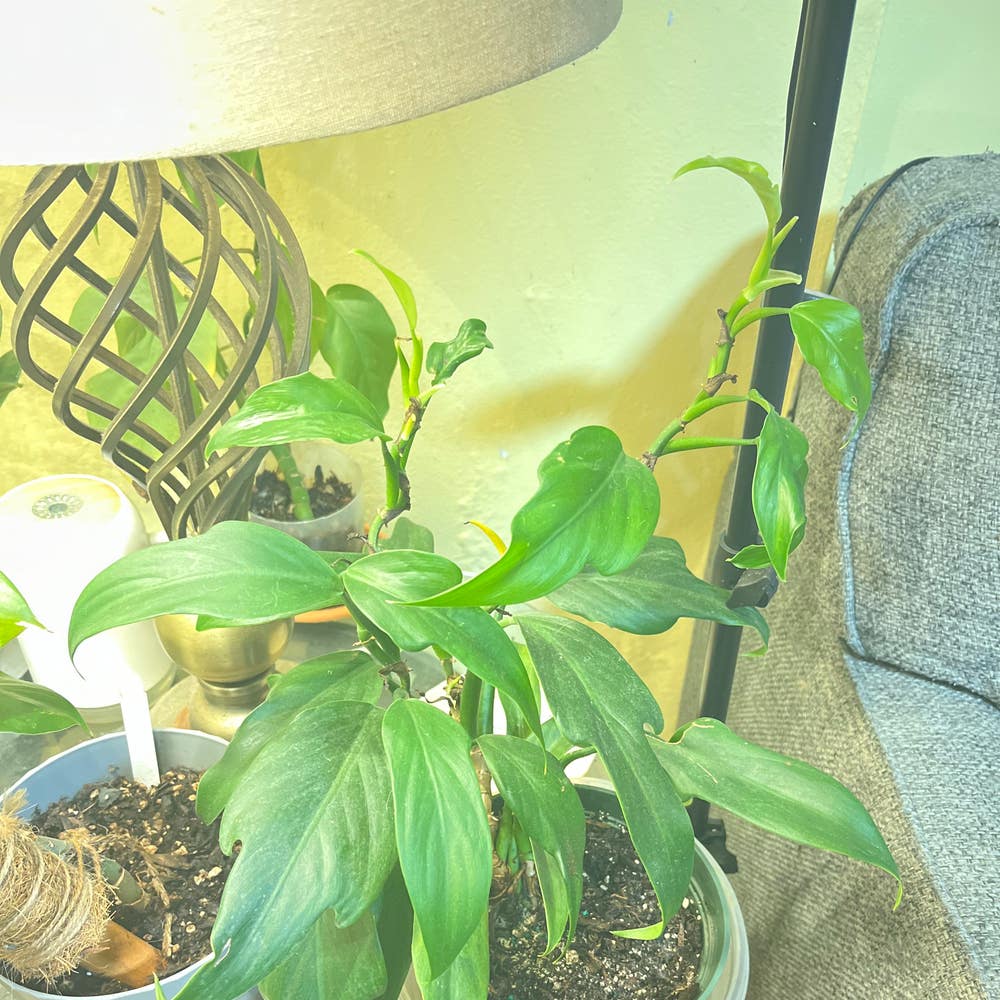
Bright, indirect light is the Philodendron panduriforme's jam for hitting those floral notes. To get this prima donna to bloom indoors, place it near a window where the sun's rays are diffused by a sheer curtain.
💡 Light Adjustments
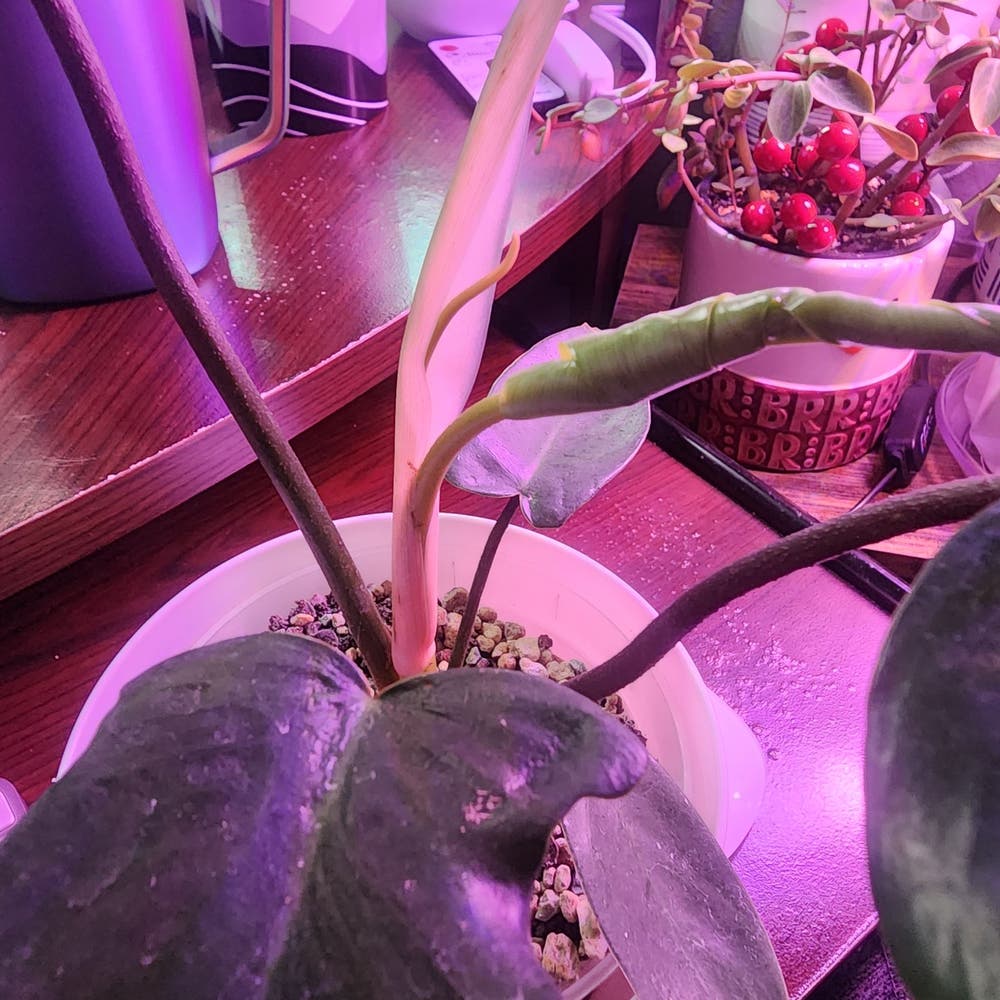
If your indoor lighting setup is more 'cave' than 'sunroom', consider an LED grow light. Red wavelengths are the bloom's best buds; they coax the shy flowers out. Use a timer to mimic the sun's natural rhythm, because even plants appreciate a good routine.

Temperature and Humidity: Setting the Stage for Flowers
🌡️ Warmth and Moisture Magic
Philodendron panduriforme thrives in the tropical embrace of warmth and humidity. Consistency is key; aim for temperatures between 65°F to 78°F. As for humidity, think of it as the plant's personal spa—aim for a comfortable 50-60%.
🌱 Creating the Perfect Microclimate
Creating a microclimate can be simple. Group your plants to share humidity or use a pebble tray to increase moisture levels. Keep an eye on the thermostat and adjust as needed to maintain that sweet spot. Remember, warm air holds more moisture, so as temperatures rise, so should humidity.

Feeding Your Philodendron for Flowers
💐 The Fertilizer Formula
To coax your Philodendron panduriforme into blooming, select a fertilizer with a balanced N-P-K ratio, emphasizing phosphorus. Think of it as a nudge rather than a shove; a 20-20-20 mix can do the trick. Phosphorus is the key player here, acting as a bloom booster without overwhelming your plant with too much of a good thing.
Remember, balance is crucial. Over-fertilizing can lead to a lush, leafy plant that's all show and no flowers. A monthly feeding schedule during the growing season (spring through summer) is your best bet. Lay off the fertilizer buffet in winter; your plant's not hungry then.
⏰ Timing and Technique
Timing is everything when it comes to fertilizing. Start one month after planting and pause as the cooler months roll in. A consistent monthly feed will keep your Philodendron panduriforme in top shape for those elusive blooms.
Apply fertilizer according to package instructions—no more, no less. Over-enthusiasm with fertilizer is like over-watering; it's a one-way ticket to root rot and a bloomless existence. If your plant's leaves start to yellow, it's a cry for help—nutrient deficiency. Address it with a dose of the good stuff, but don't go overboard.
Pro tip: If you're into eco-friendly options, compost, eggshells, and aquarium water can be great sources of nutrients. Just make sure they're part of a balanced diet.

Pruning for Power: Channeling Energy to Blooms
✂️ The Art of the Snip
Pruning isn't just about aesthetic shaping; it's a strategic move to redirect energy towards blooming. By carefully removing excess foliage, you're telling your Philodendron panduriforme to focus on flower production. It's like being the CFO of your plant's energy budget—invest in blooms, not just leaves.
🌱 Pruning Practices
Here's a step-by-step guide to pruning your Philodendron panduriforme for potential blooms:
- Identify Targets: Look for any dead, damaged, or excessively long stems. These are your primary candidates for pruning.
- Timing: The best time to prune is early spring, before the plant's growth phase kicks in.
- Technique: Make clean cuts above a leaf node, where new growth can emerge. Use sharp, sterilized pruning shears to avoid damaging the plant.
- Moderation: Don't overdo it. Prune just enough to improve light exposure and airflow without stressing the plant.
- Deadheading: Remove spent flowers to encourage the plant to produce new ones, rather than diverting energy to seed production.
- Aftercare: Post-pruning, consider a light application of fertilizer to give your plant a boost and encourage it to invest in new blooms.
Remember, every snip is a decision that can lead to a floral show. Prune with purpose and precision, and your Philodendron panduriforme will thank you with its blooms.
Troubleshooting: When Blooms Are Bashful
🌸 Spotting the Signs of a Bloom-Ready Plant
Philodendron panduriforme doesn't just wake up one day and decide to bloom. Watch for subtle changes: new growth that's different from the usual foliage could be a prelude to flowers. If you spot what looks like a tiny green spike or an unusual leaf, you might be on the cusp of a floral spectacle.
🌼 Overcoming Flowering Frustrations
🪴 Common Issues
Your Philodendron panduriforme's silence in the blooming department might be its way of throwing shade at your care routine. Inadequate light is often the culprit. It's like expecting a tan in the shade—you're not going to see flowers without the right light. Move your plant to a spot with bright, indirect sunlight.
Watering woes can also cause bloom-guilt. Overwatering is like giving your plant soggy boots to wear—uncomfortable and unhealthy. Underwatering, on the other hand, leaves it thirsty and stressed. Aim for that 'just right' level of moisture.
🌱 Nutrient Needs
Fertilizer is your plant's diet plan for blooming. But over-fertilizing is the equivalent of an all-you-can-eat buffet—it's too much of a good thing. Use a balanced fertilizer and follow the recommended schedule to avoid nutrient overload.
🌡️ Temperature and Humidity
Remember, Philodendrons are tropical at heart. If your home feels more like a desert than a rainforest, it's time to up the humidity. A humidifier or a pebble tray can help create that moisture magic your plant craves. Keep the temperature consistent—your plant hates surprises as much as you do.
🦠 Pests and Diseases
Pests are like those annoying party crashers. Regularly inspect your plant for freeloaders like spider mites or mealybugs and show them the door with a gentle insecticidal soap. Diseases can also be bloom-blockers. If you see brown spots or yellowing leaves, it's time for some plant first aid.
✂️ Pruning with Purpose
Don't get snip-happy. Prune with the precision of a bonsai master. Strategic cuts can redirect your plant's energy towards blooming rather than leaf production. Remember, it's a haircut, not a head shave.
🕰️ Patience is Key
Sometimes, despite doing everything by the book, your Philodendron panduriforme might still be a bloom holdout. Plants, like people, do things in their own time. Keep providing consistent care, and patience will be your best ally in the quest for flowers.
⚠️ Safety First
This content is for general information and may contain errors, omissions, or outdated details. It is not medical, veterinary advice, or an endorsement of therapeutic claims.
Always consult a qualified healthcare professional before using any plant as food, medicine, or supplement.
Never eat any plant (or feed one to pets) without confirming its identity with at least two trusted sources.
If you suspect poisoning, call Poison Control (800) 222-1222, the Pet Poison Helpline (800) 213-6680, or your local emergency service immediately.
Spotted an error? Please report it here.
Ensure your Philodendron panduriforme's blooming triumph 🌺 by letting Greg remind you when to adjust light, temperature, and humidity for that perfect flower-inducing environment.