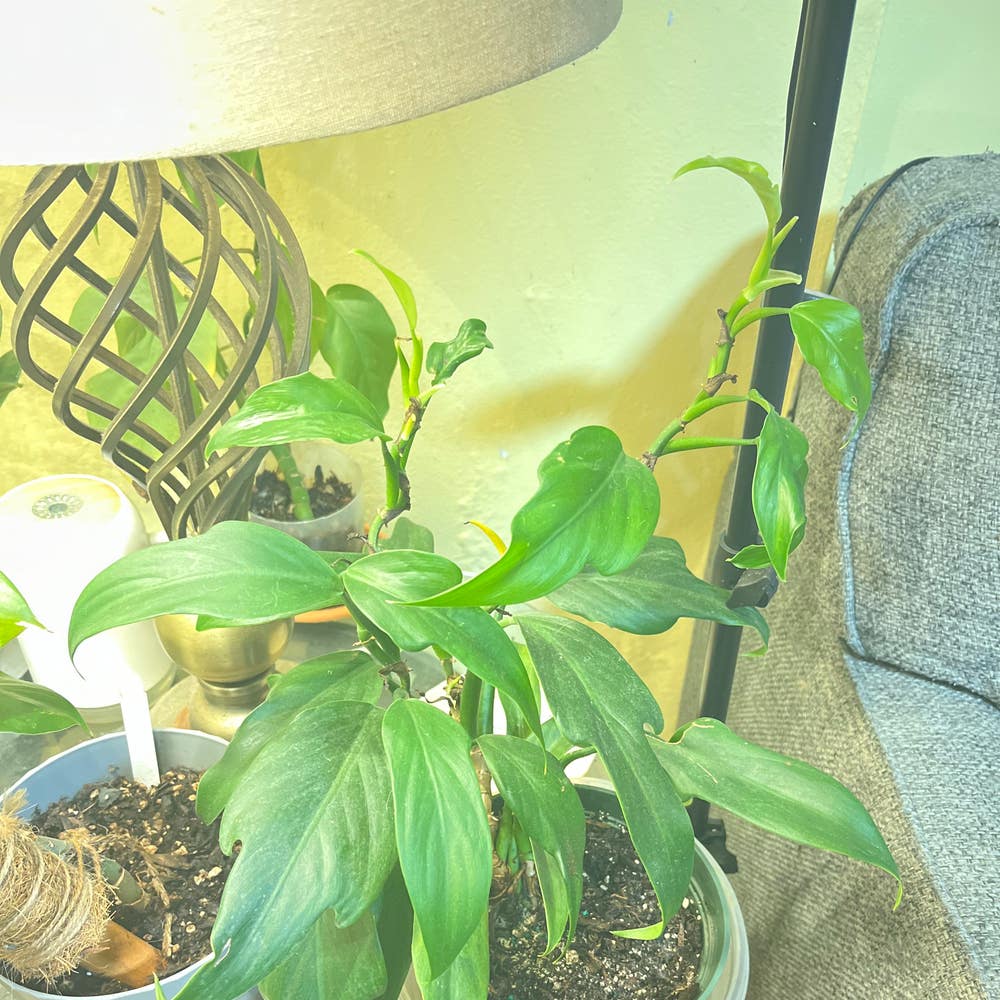
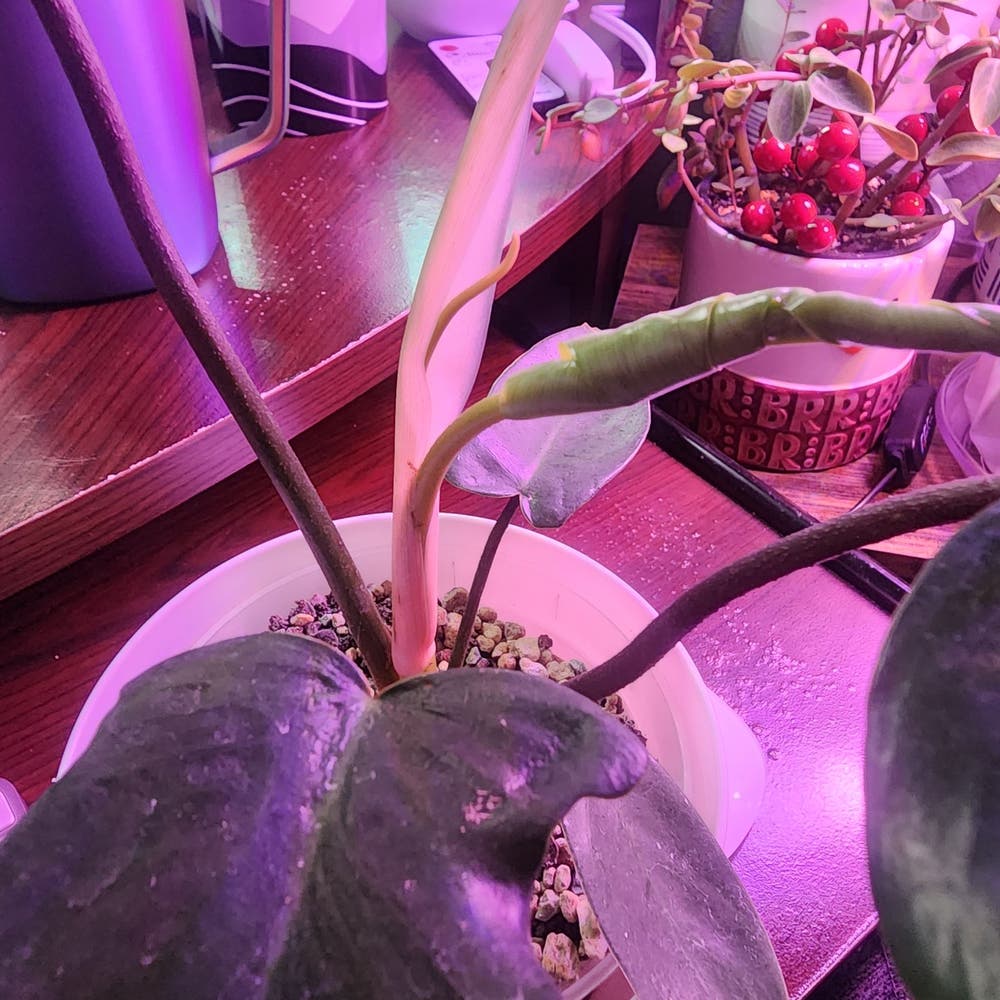
Your Philodendron panduriforme's Light Needs
Philodendron panduriforme
By the Greg Editorial Team
Jun 18, 2024•4 min read
This article was created with the help of AI so we can cover more plants for you. May contain errors. See one? Report it here.
- Bright, indirect sunlight mimics Philodendron panduriforme's tropical origins.
- East or west-facing windows provide the ideal gentle light.
- Grow lights supplement when natural light is insufficient.
Shedding Light on Philodendron panduriforme's Preferences
⛅️ Native Habitat Insights
The Philodendron panduriforme hails from tropical forests, where it luxuriates under the dappled light of dense canopies. This understory dweller is accustomed to light that is filtered through layers of foliage, never basking in the harsh direct sunlight.
⛅️ Ideal Light Conditions
For your Philodendron panduriforme, bright, indirect sunlight is the gold standard. This mimics the plant's native habitat, providing ample light without the risks of direct exposure. Direct sun can lead to scorched leaves, while too little light may cause leggy growth as the plant strains toward the light source. Use sheer curtains to diffuse intense rays or position the plant a few feet away from a south or west-facing window.

Navigating Indoor Light for Your Philodendron
🌞 Best Spots for Your Plant
In the quest for optimal light, your home is a landscape of potential. East or west-facing windows are prime real estate for your Philodendron panduriforme, offering a buffet of gentle morning or evening light. If your windows are subpar, sheer curtains can be the mediator, diffusing harsh sunlight into a soft glow that your plant will adore.
💡 Grow Light Game Changers
When sunlight is as elusive as a good avocado at the supermarket, grow lights come to the rescue. Think of them as a spotlight that never rains on your parade. Full-spectrum LEDs are the MVPs here, providing a spectrum that's like a day at the beach without the burn. Position them overhead, but don't get carried away; a timer can prevent a light overdose. Remember, your Philodendron isn't sunbathing—it's soaking up just enough rays for a healthy glow.

Thriving Outdoors: Finding the Sweet Spot
🌿 Transitioning to Outdoor Light
Acclimating your Philodendron panduriforme to the outdoors is a slow dance. Begin with short periods in a shaded spot, then incrementally increase its time in the sun over several weeks. This gradual approach helps your plant adjust without the trauma of a sudden change.
🕶️ Protecting from Too Much Sun
Even sun lovers can have too much of a good thing. Your Philodendron panduriforme is no exception. Protect it from the midday sun's intensity using strategic placement—think east-facing locations or beneath a canopy of leaves. If the sun's rays are too harsh, consider a shade cloth to diffuse the light, ensuring your plant gets the glow without the scorch. Keep an eye on the foliage; signs of sunburn call for immediate action.

Light's Role in Philodendron panduriforme's Flowering Journey
💡 Does Light Affect Flowering?
Philodendron panduriforme's flowering is a rare spectacle. While it's not the norm to see these plants bloom indoors, the right lighting can increase your chances.
Bright, indirect light is key. It's the sweet spot that can coax shy buds into existence. Think of it as the plant's version of a gentle nudge rather than a shove.
Indoor blooms are as scarce as hen's teeth, but not impossible. If your Philodendron panduriforme is basking in ideal light conditions, you're setting the stage for potential flowering.
Outdoor flowering is another beast. It's a long game, often requiring years and a tropical climate. But even then, it's not a given.
Grow lights can be a game-changer. They're like a plant's personal sun when the real one falls short. Aim for a 12-hour cycle to mimic natural daylight, and consider using timers for convenience.
Monitor your plant's response to light. If it's stretching out like it's doing morning yoga, it's seeking more light. On the flip side, if the leaves look sunburnt, dial back the exposure.
Seasonal changes mean adjusting your lighting strategy. As days lengthen or shorten, so should your use of artificial lights to maintain that perfect balance.
In summary, while light is crucial, patience is the secret ingredient. Keep your expectations realistic, and remember, it's about the journey, not just the flowering destination.
⚠️ Safety First
This content is for general information and may contain errors, omissions, or outdated details. It is not medical, veterinary advice, or an endorsement of therapeutic claims.
Always consult a qualified healthcare professional before using any plant as food, medicine, or supplement.
Never eat any plant (or feed one to pets) without confirming its identity with at least two trusted sources.
If you suspect poisoning, call Poison Control (800) 222-1222, the Pet Poison Helpline (800) 213-6680, or your local emergency service immediately.
Spotted an error? Please report it here.
Find the perfect light spot 🌞 for your Philodendron panduriforme with Greg's PlantVision, ensuring it flourishes with just the right amount of glow without the guesswork.