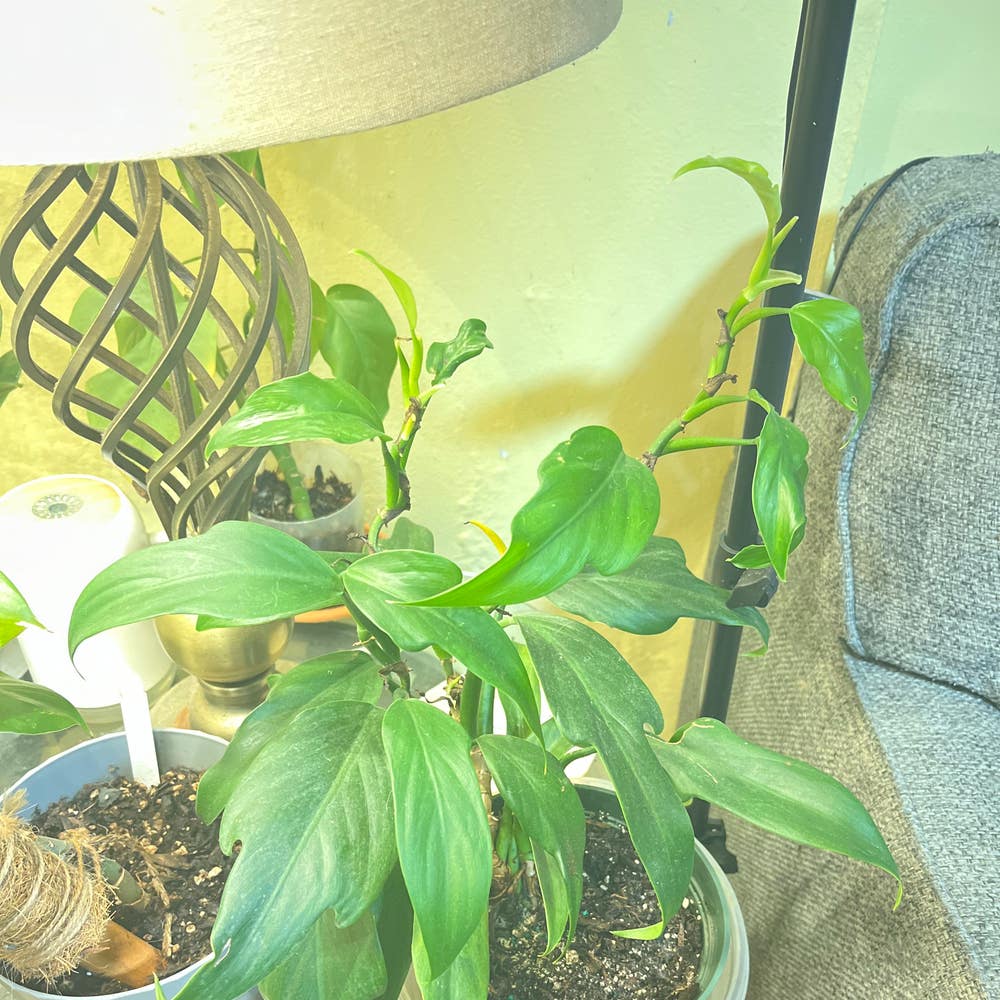
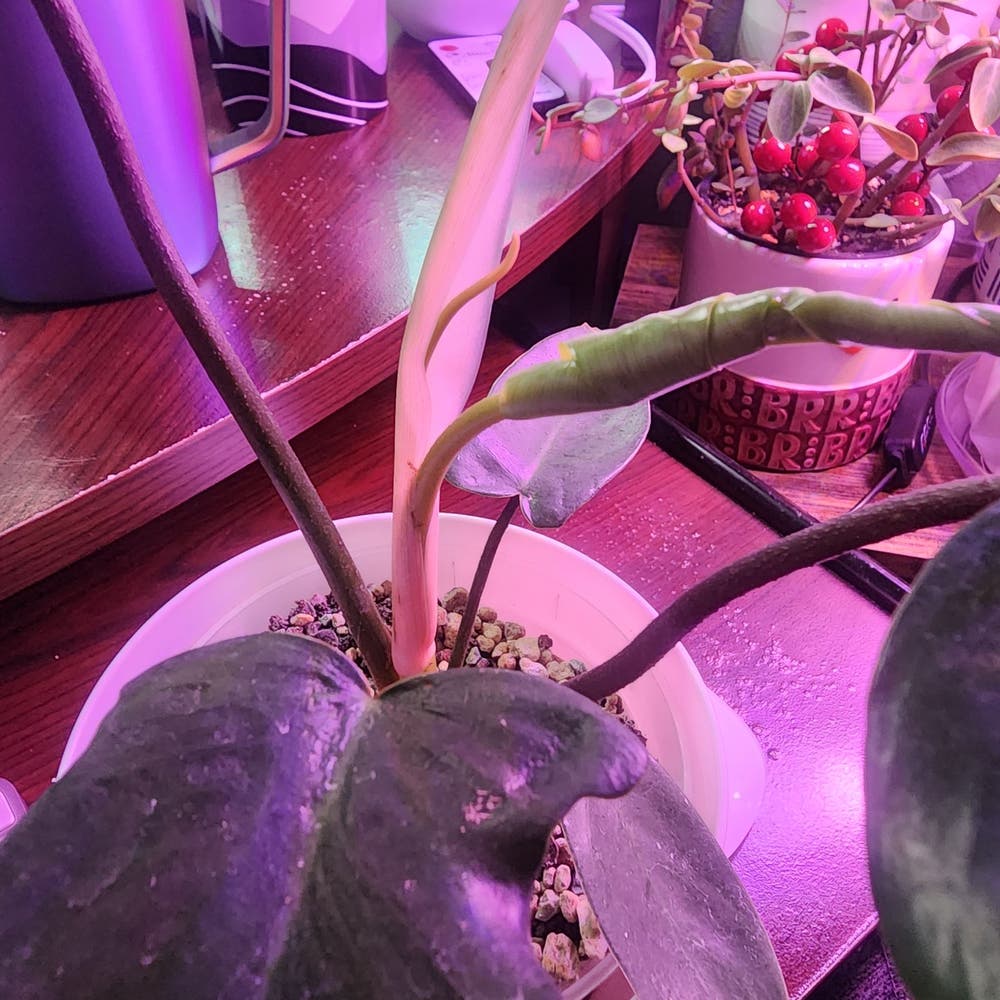
💡 8 Secrets to Successfully Grow Fiddleleaf Philodendron
Philodendron panduriforme
By the Greg Editorial Team
Sep 28, 2024•5 min read
This article was created with the help of AI so we can cover more plants for you. May contain errors. See one? Report it here.
- 🌞 Fiddleleaf Philodendrons thrive in bright, indirect sunlight; avoid direct sun to prevent scorch.
- 🌡️💧 Maintain 65°F-80°F temperatures and 60% humidity for optimal growth and health.
- 🌱 Use well-draining soil and water properly to prevent root rot and yellowing leaves.
Choosing the Right Location
🌞 Light Requirements
Fiddleleaf Philodendrons thrive in bright, indirect sunlight. Direct sunlight can scorch their leaves, so it's crucial to avoid prolonged exposure.
🏡 Indoor vs. Outdoor Growing Conditions
Indoors, these plants prefer bright, indirect light, making them perfect for apartments and homes. Outdoors, they flourish in warm climates but need protection from harsh sunlight to prevent damage.
🌡️ Temperature and Humidity Preferences
The optimal temperature range for Fiddleleaf Philodendrons is between 65°F to 80°F (18°C to 27°C). They also love high humidity, ideally 60% or higher, so consider using a humidifier or a pebble tray to keep them happy.
By ensuring the right location and conditions, you set your Fiddleleaf Philodendron up for success. Next, let’s dive into soil preparation and planting to give your plant the best start possible.
Soil Preparation and Planting
🌱 Ideal Soil Mix
Creating the perfect soil mix is crucial for your fiddleleaf philodendron's health. A well-draining potting mix is key; combine peat moss, perlite, and orchid bark to ensure proper aeration.
The ideal soil pH should be slightly acidic to neutral, ranging from 6.0 to 7.0. This balance helps your plant absorb nutrients effectively.
🪴 Container Selection and Drainage Considerations
Choosing the right container is just as important as the soil. Opt for a pot that allows for growth, ideally at least 12 inches in diameter.
Don't forget drainage holes! They are essential to prevent root rot and ensure proper water flow, keeping your plant happy and healthy.
🌿 Step-by-Step Planting Instructions
Ready to plant? Follow these simple steps:
- Prepare the soil mix and container.
- Place a layer of gravel at the bottom for drainage.
- Fill the container with the soil mix, leaving space for the root ball.
- Position the plant in the center and fill in around the roots.
- Water thoroughly to settle the soil.
By following these steps, you set the stage for your fiddleleaf philodendron to thrive. Now that your plant is securely in its new home, let’s explore how to care for it through watering and fertilizing.
Watering and Fertilizing
💧 Watering Frequency and Techniques
Watering your fiddleleaf philodendron requires a careful balance. Allow the top 1-2 inches of soil to dry out between waterings to prevent over-saturation.
When you do water, do so thoroughly until it drains from the bottom. This ensures that the roots receive adequate moisture while avoiding waterlogging.
🚨 Signs of Overwatering and Underwatering
Recognizing the signs of overwatering is crucial for your plant's health. Look out for yellowing leaves, mushy roots, and leaf drop, which indicate too much water.
On the flip side, underwatering manifests as wilting leaves, dry soil, and brown leaf tips. Adjust your watering routine accordingly to keep your plant thriving.
🌱 Best Fertilizers and Schedule
For optimal growth, use a balanced liquid fertilizer with a 20-20-20 NPK formula during the growing season. This nutrient mix supports robust development.
Fertilize every 4-6 weeks in spring and summer to keep your plant energized. Dilute the fertilizer in water and apply it during your regular watering sessions for best results.
With proper watering and fertilizing, your fiddleleaf philodendron will flourish. Next, let’s explore the essential pruning and ongoing care techniques to maintain its health.
Pruning and Ongoing Care
When and How to Prune 🌱
Early spring is the perfect time to prune your fiddleleaf philodendron. This is when you can shape the plant and remove any dead or yellowing leaves to encourage healthy growth.
Use clean, sharp scissors for precise cuts. This helps prevent damage and reduces the risk of disease.
Tips for Maintaining Plant Health 🕵️♀️
Regularly inspect your plant for pests and diseases. Keeping an eye out for issues early can save you a lot of trouble down the line.
Maintaining humidity levels is crucial for your fiddleleaf's health. Consider using a humidifier or placing a pebble tray filled with water nearby.
Seasonal Care Adjustments ❄️
In winter, reduce your watering frequency. Your plant will enter a dormant phase, so avoid fertilizing during this time.
During the summer, increase humidity levels and monitor for pests more frequently. This proactive approach helps your plant thrive in the warmer months.
With these pruning and care tips, your fiddleleaf philodendron will flourish beautifully. Next, let’s dive into common challenges and solutions to keep your plant in top shape.
Common Challenges and Solutions
🐛 Pests and Diseases
Spider Mites
Spider mites can be a real nuisance for your fiddleleaf philodendron. Look for fine webbing on the leaves and yellowing foliage as telltale signs of an infestation.
To combat these pests, increase humidity around your plant. You can also use insecticidal soap to eliminate them effectively.
Root Rot
Root rot is another common issue that can plague your plant. Symptoms include wilting even when you've watered adequately and a foul smell emanating from the soil.
Prevent root rot by ensuring proper drainage in your pot. Avoid overwatering, as this is the primary cause of this problem.
🌪️ Environmental Stress Factors
Leaf Drop
Leaf drop can be alarming, but it often stems from sudden changes in light or temperature. If you notice leaves falling, adjust the conditions gradually to help your plant acclimate.
Browning Leaf Tips
Browning leaf tips usually indicate low humidity or underwatering. To remedy this, increase humidity levels and adjust your watering routine accordingly.
🛠️ Troubleshooting Common Growth Issues
If your fiddleleaf philodendron is experiencing stunted growth, check for root-bound conditions. Repotting may be necessary to give your plant room to thrive.
Leaf discoloration can also be a concern. Assess the light conditions and make adjustments to ensure your plant receives the right amount of light for optimal health.
By addressing these common challenges, you can keep your fiddleleaf philodendron thriving and vibrant. Next, let’s explore the essential pruning and ongoing care techniques to maintain its health.
⚠️ Safety First
This content is for general information and may contain errors, omissions, or outdated details. It is not medical, veterinary advice, or an endorsement of therapeutic claims.
Always consult a qualified healthcare professional before using any plant as food, medicine, or supplement.
Never eat any plant (or feed one to pets) without confirming its identity with at least two trusted sources.
If you suspect poisoning, call Poison Control (800) 222-1222, the Pet Poison Helpline (800) 213-6680, or your local emergency service immediately.
Spotted an error? Please report it here.
Grow your Fiddleleaf Philodendron flourishingly 🌿 with Greg's tailored care reminders and expert tips that keep your plant thriving in just the right conditions!