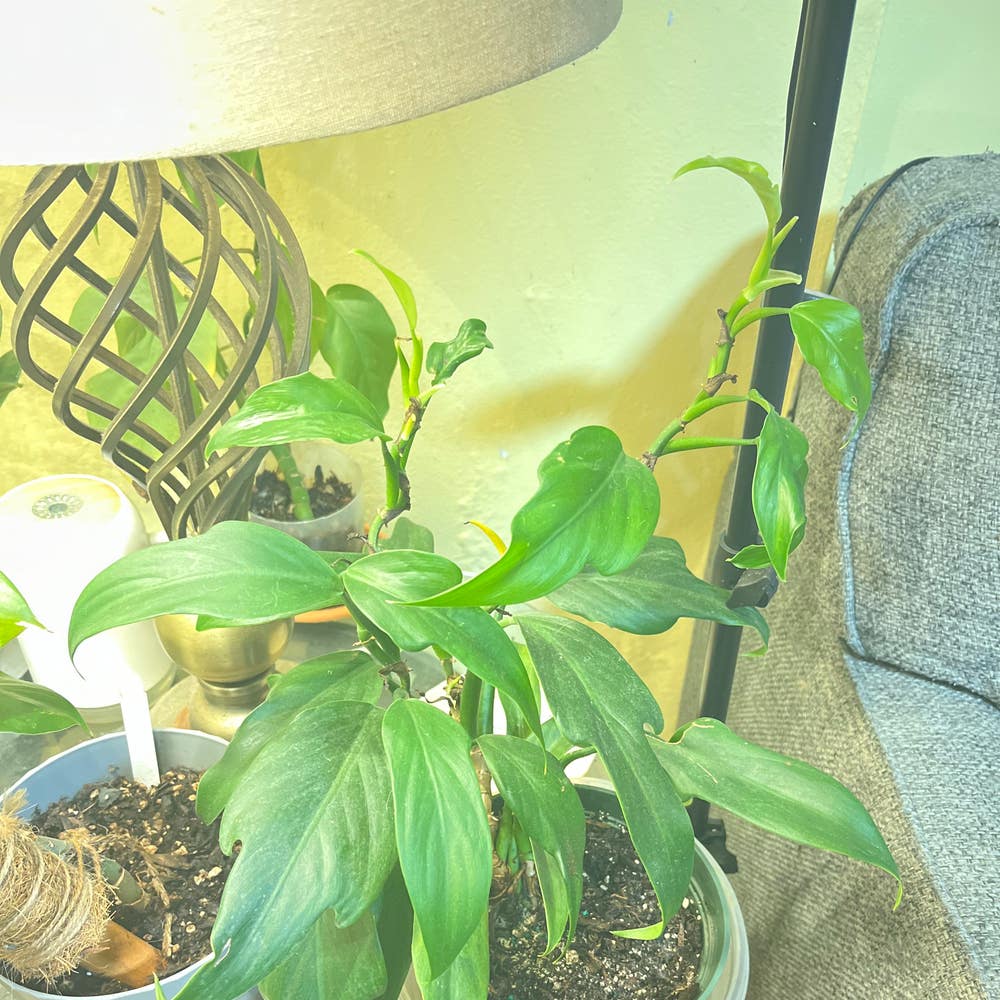
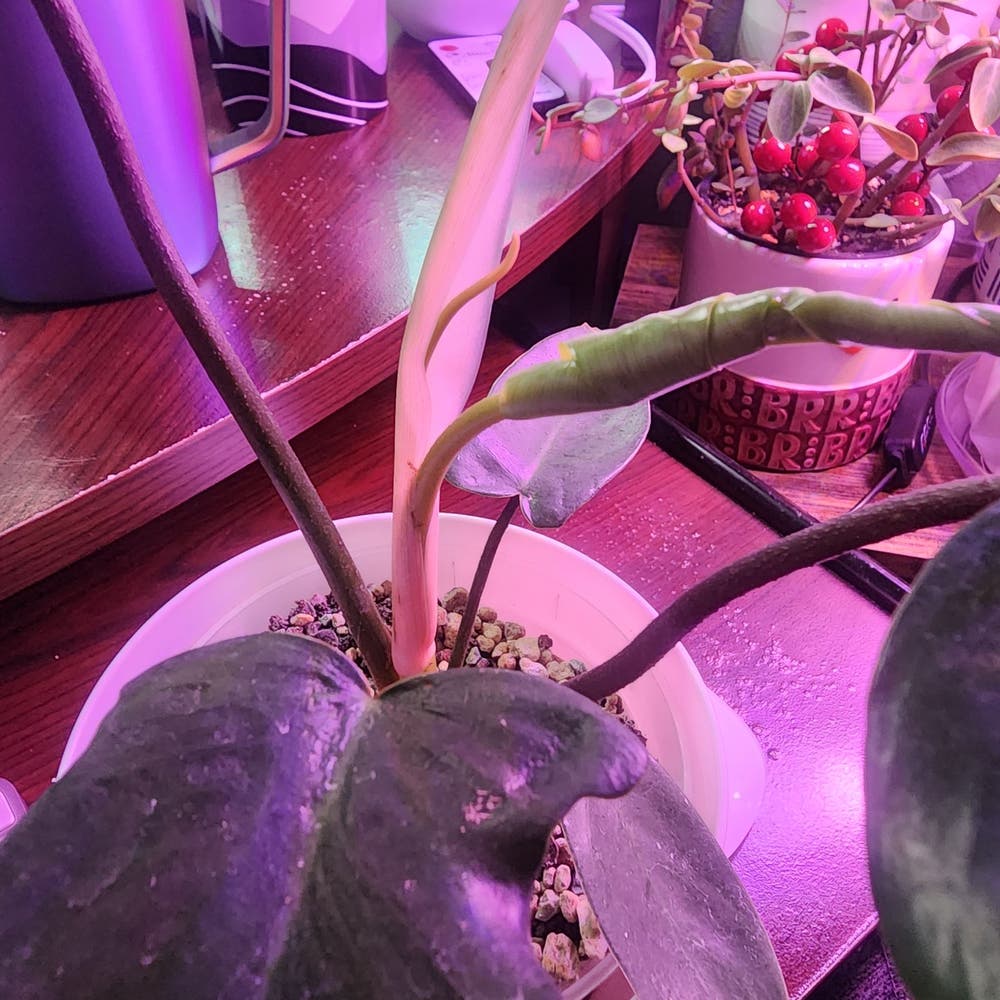
Why Are My Philodendron panduriforme Leaves Falling Over?
Philodendron panduriforme
By the Greg Editorial Team
Jun 18, 2024•4 min read
This article was created with the help of AI so we can cover more plants for you. May contain errors. See one? Report it here.
- 💧 Balance watering to prevent droopy leaves; neither too much nor too little.
- ☀️ Bright, indirect light is ideal for sturdy Philodendron leaves.
- 🌱 Consistent care routine with balanced fertilizer for optimal health.
Pinpointing the Culprits Behind the Droop
💧 Overwatering and Underwatering Woes
Yellowing leaves and a soil consistency closer to a swamp than a garden? You've overdone the hydration. Conversely, leaves that droop like they've just run a marathon in the desert are crying out for water. Underwatering leaves your Philodendron's roots drier than a stand-up comedian's wit.
👉 Finding the sweet spot for watering involves a simple touch test. The top inch of soil should feel like a day-old sponge—moist but not soggy. Consistency is key; adjust your watering schedule to the rhythm of your plant's needs, not the calendar.
💡 Light: Finding the Goldilocks Zone
Too little light, and your Philodendron's leaves will droop as if trying to escape to the floor. Too much sun can cause a tan that's a bit too intense. Aim for bright, indirect sunlight—think of it as your plant's ideal spa lighting.
Adjusting your Philodendron's tan lines means finding that sweet spot where it's not baking in direct sunlight nor languishing in the dark. Rotate your plant regularly to ensure even exposure and prevent the botanical equivalent of a lopsided tan.
🍽️ The Nutrient Balancing Act
Spotting the signs of nutritional gaps is like playing plant detective. Yellowing leaves can signal a nitrogen deficiency, while brown spots might point to a potassium shortage. Overzealous feeding, however, can lead to further issues—more isn't always better.
🍲 Serving up a well-rounded meal for your plant means choosing a balanced fertilizer. Specific deficiencies require targeted treatments, but always check compatibility to avoid a botanical faux pas. Remember, a little goes a long way.

First Aid for Floppy Leaves
🚰 Resuscitating Overwatered Roots
Overwatering can turn your Philodendron panduriforme's home into a swamp. To fix this, stop watering immediately and let the soil dry out. Check for drainage holes in the pot; they're your plant's lifeline. If roots are brown and mushy, it's time for some root pruning—think of it as a haircut for your plant's underground parts. After the trim, repot with fresh soil and monitor your watering habits like a hawk.
💧 Hydration Therapy for the Underwatered
Underwatered Philodendrons are as parched as a desert traveler. To quench their thirst, water thoroughly, allowing excess to drain—aim for moist, not soggy. Gradually increase watering frequency, but remember, moderation is key. Your plant's not running a marathon; it just needs a steady sip.
🌞 Light Rehabilitation
Too much shade makes for a lazy Philodendron. Move your plant to a spot with bright, indirect light. It's like a spa for your plant, minus the cucumber water. But beware of direct sunlight—it's the equivalent of a bad sunburn.
🍽️ Nutrient Boosters
When it comes to fertilizer, think of it as a vitamin, not a meal. Use a balanced fertilizer to promote health and resilience. Over-fertilizing is like binge eating junk food—it does more harm than good. If you've overdone it, flush the soil with water to remove excess salts. Remember, aerate the soil to keep it as fluffy as a cloud, giving roots room to breathe.

Building a Strong Foundation: Prevention Strategies
💪 Consistency is Key: Routine Care
Crafting a care schedule is like setting up a workout plan for your Philodendron panduriforme—it keeps those leaves perky. Water when the top inch of soil feels like a dry martini—crisp and not a drop too wet. Let the light in, but not too much; think bright, indirect sunlight that's just enough to keep the plant's photosynthesis party going. Regularly check the soil's moisture like you're testing the waters before a big life decision—carefully and with purpose.
🌡 Tailoring the Environment
Temperature and humidity can make or break your Philodendron's mood. Aim for a steady climate, avoiding the rollercoaster of a heatwave followed by a cold snap. If your home transforms into a desert during winter, consider a humidifier to keep the air from getting as dry as a stand-up comedian's wit. In the summer, make sure your plant doesn't dry out like last year's fashion trend—keep the hydration just right.

⚠️ Safety First
This content is for general information and may contain errors, omissions, or outdated details. It is not medical, veterinary advice, or an endorsement of therapeutic claims.
Always consult a qualified healthcare professional before using any plant as food, medicine, or supplement.
Never eat any plant (or feed one to pets) without confirming its identity with at least two trusted sources.
If you suspect poisoning, call Poison Control (800) 222-1222, the Pet Poison Helpline (800) 213-6680, or your local emergency service immediately.
Spotted an error? Please report it here.
Turn your Philodendron panduriforme's frown upside down with Greg's custom care plan 🔄, perfectly adjusting water and light to prevent those pesky droops.