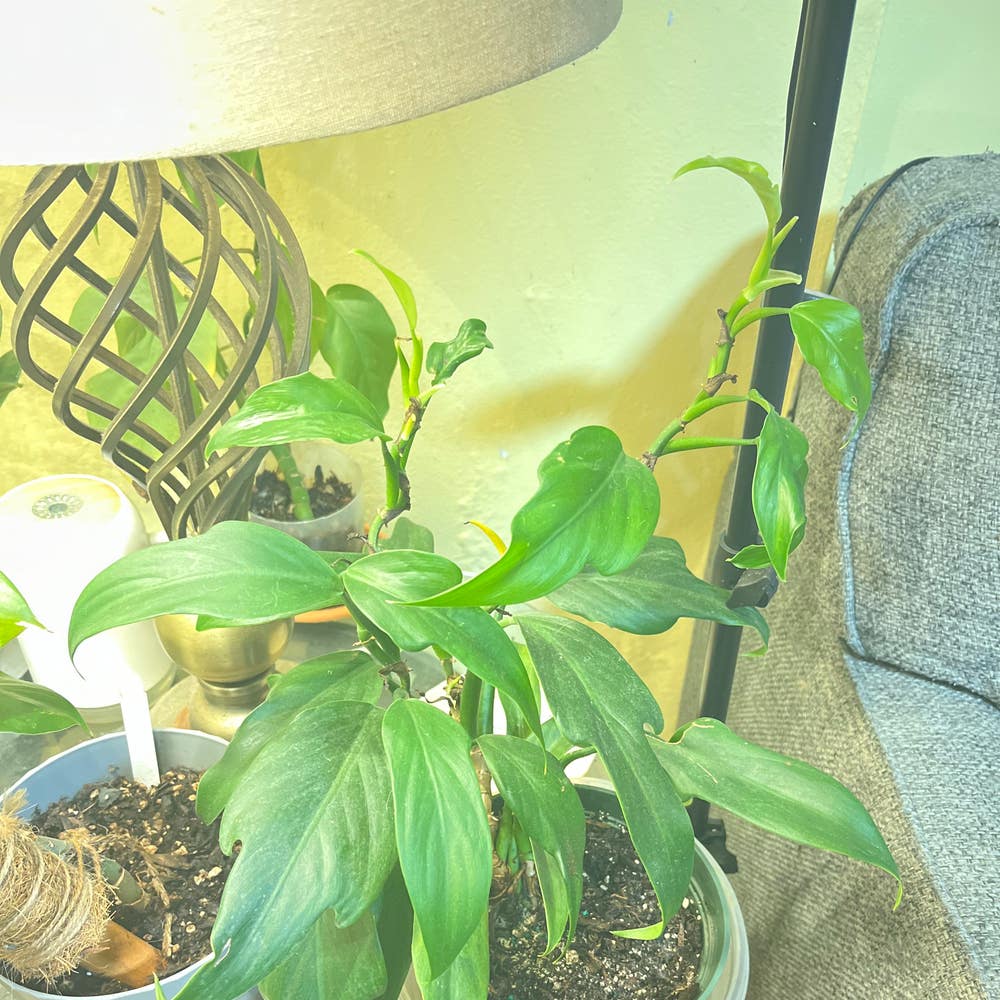
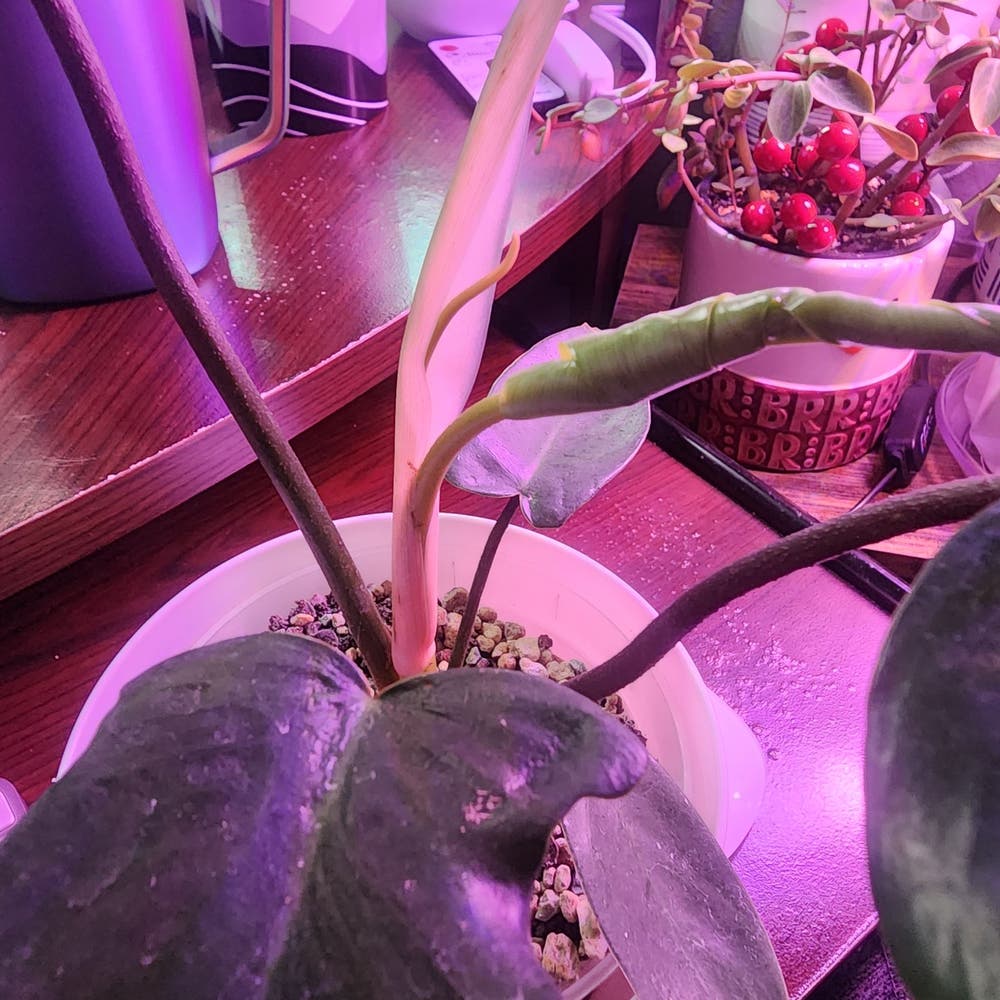
What Temperature Does My Philodendron panduriforme Need?
Philodendron panduriforme
By the Greg Editorial Team
Jun 18, 2024•4 min read
This article was created with the help of AI so we can cover more plants for you. May contain errors. See one? Report it here.
- 60°F to 75°F (16°C to 24°C) is the ideal temperature range.
- 🌡️ Consistent temperature prevents curling and drooping leaves.
- Group plants for microclimate; use humidifier for humidity balance.
The Sweet Spot: Philodendron panduriforme's Ideal Temperature Range
♨️ What's the magic number?
60°F to 75°F (16°C to 24°C)—that's where your Philodendron panduriforme hits its groove. This range is like the plant's favorite playlist; it sets the mood for growth and vitality. Keep it cooler, and you're dialing down its life force. Crank the heat too high, and you're basically throwing it into a plant sauna—not cool.
🔄 Why consistency is key
Think of your Philodendron panduriforme as a creature of habit. Consistency in temperature doesn't just make it happy; it's a non-negotiable for its well-being. Sudden changes in the thermostat are like plot twists in its botanical story—unwelcome and stressful. So, keep the temperature as steady as your love for this leafy companion, and watch it thrive.

When Your Plant Feels Under the Weather: Recognizing Temperature Stress
🌡️ The tell-tale signs
Philodendron panduriforme is a drama queen when it comes to temperature. Curling leaves are its way of throwing a fit, signaling it's too hot or too cold. If the leaves droop like they've lost all hope, it's a clear sign your plant is too chilly. Yellow leaves aren't trying to start a new trend; they're begging for a warmer spot. And those dark, greasy patches? That's not the plant trying to be edgy—it's in cold distress.
🌡️ What's causing the discomfort?
Temperature stress is often a silent home invader, sneaking in through drafts or sitting too close to an air conditioner or heater. Your Philodendron panduriforme craves stability, not the thrill of a temperature rollercoaster. Keep it away from those drafty areas and direct heat sources—they're as uncomfortable as wearing socks with sandals. Remember, prolonged exposure to the wrong temperature turns your plant's life into a bad reality show.

Keeping Your Philodendron panduriforme Cozy: Tips to Maintain the Perfect Temperature
🌡️ Home sweet home
Creating a stable temperature environment for your Philodendron panduriforme is less about hitting precise degrees and more about avoiding the rollercoaster of temperature swings. Thermostats are your plant's best friend, allowing you to maintain a consistent climate without constant tweaking.
- Keep your plant away from drafts and direct heat sources like radiators or air conditioners.
- During colder months, insulate windows or move your plant to a less drafty spot to prevent chills.
- Grouping plants can create a microclimate with higher humidity, which can slightly raise the air temperature around them.
🌡️ Quick fixes for temperature mishaps
When your Philodendron panduriforme shows signs of temperature stress, like wilting or blemished leaves, it's time for some quick action.
- Relocate your plant away from problem areas immediately.
- Consider a space heater or insulation to gently warm up the space, but keep it at a safe distance to avoid scorching the leaves.
- If you suspect your plant is too cold, wrapping the pot in a blanket can provide temporary insulation.
Remember, your Philodendron panduriforme doesn't need a sauna or an igloo; it craves that just-right feel of a consistent, tropical-like environment.

The Humidity Factor: A Side Note
💦 Understanding the Relationship
Humidity and temperature are partners in crime when it comes to the well-being of your Philodendron panduriforme. This plant thrives in an environment that mimics its natural habitat – think warm with consistent moisture in the air. Above 50% humidity is the sweet spot for your green buddy to keep its leaves lush and prevent browning.
🌴 Creating the Ideal Humidity
To achieve this tropical vibe, group your plants together; they're social creatures that help each other out by sharing moisture through transpiration. If your indoor air is drier than a stand-up comedian's wit, consider a humidifier or a pebble tray to up the humidity without turning your living room into a sauna.
🌡 Monitoring Made Easy
Don't play guessing games with humidity. Use a hygrometer to keep tabs on moisture levels. Your plant's appearance will also give you clues – if the leaves look as sad as a forgotten birthday, it's time to reassess your humidity strategy.
⚖️ Balance Is Key
Remember, too much of a good thing can lead to a fungal rave you weren't invited to. Keep the air moving with a gentle fan to avoid stagnant conditions. And if you're battling the dryness of heaters or the deceptive moisture of bathrooms, it's time to rethink your plant's location. Keep it real, keep it balanced.
⚠️ Safety First
This content is for general information and may contain errors, omissions, or outdated details. It is not medical, veterinary advice, or an endorsement of therapeutic claims.
Always consult a qualified healthcare professional before using any plant as food, medicine, or supplement.
Never eat any plant (or feed one to pets) without confirming its identity with at least two trusted sources.
If you suspect poisoning, call Poison Control (800) 222-1222, the Pet Poison Helpline (800) 213-6680, or your local emergency service immediately.
Spotted an error? Please report it here.
Keep your Philodendron panduriforme thriving 🌡 with Greg's custom reminders that ensure the ideal temperature and humidity for your leafy friend.