Ultimate Guide to Winter Care for Fiddleleaf Philodendron ❄️
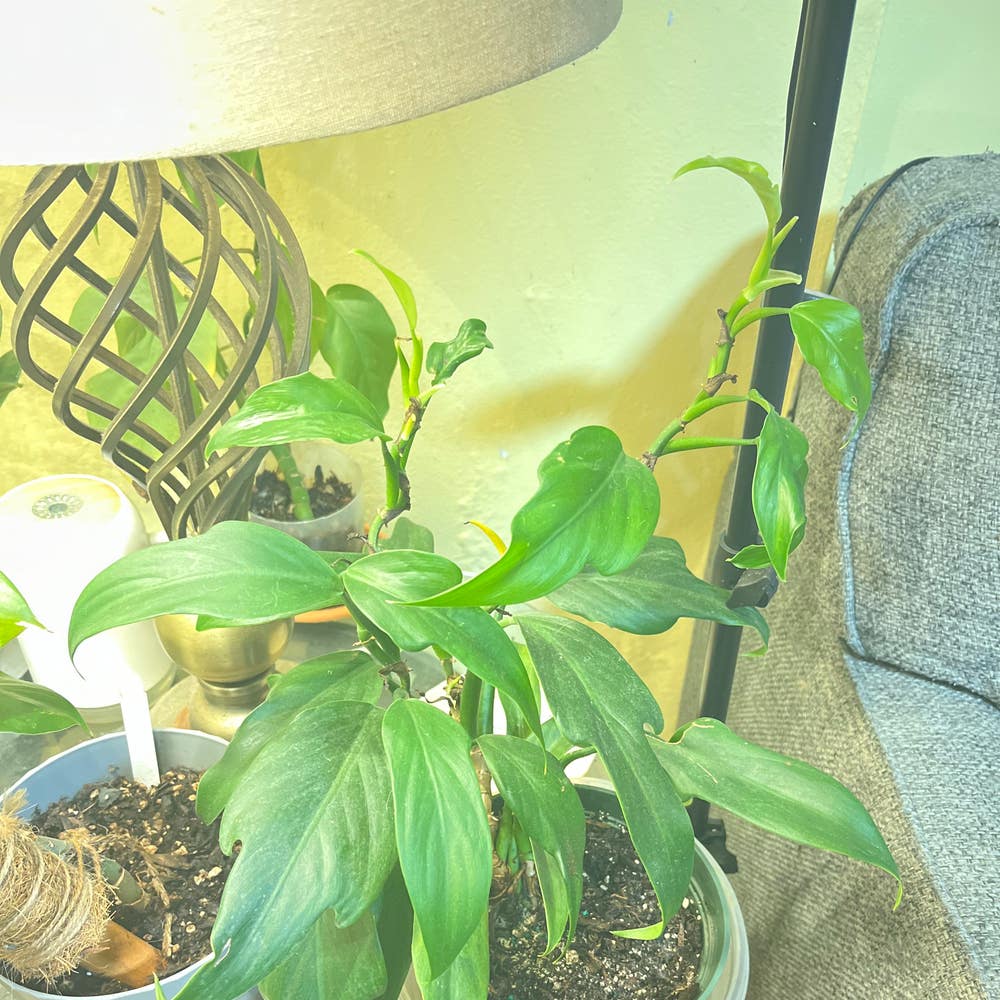
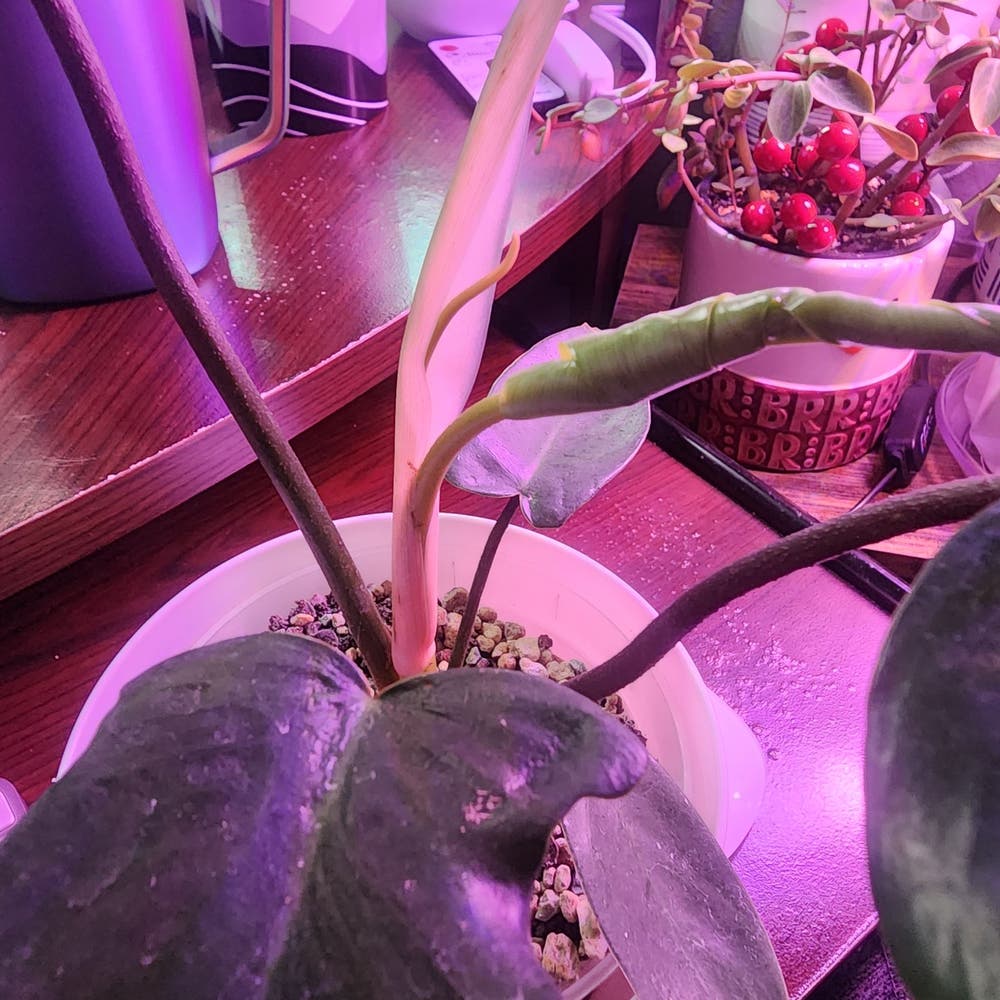
Philodendron panduriforme
By the Greg Editorial Team
Sep 28, 2024•4 min read
This article was created with the help of AI so we can cover more plants for you. May contain errors. See one? Report it here.
- 💧 Water only when the top inch is dry to prevent winter overwatering.
- 🌡️ Use room temperature water to avoid shocking your Fiddleleaf Philodendron.
- 🌬️ Maintain humidity levels between 40-60% for optimal winter health.
Winter Care Requirements
Adjusting watering schedule for winter 🌨️
During winter, it's crucial to adjust your watering routine for your Fiddleleaf Philodendron. Water only when the top inch of soil feels dry to the touch, preventing overwatering.
Watch for signs of overwatering, such as yellowing leaves and root rot. To avoid shocking your plant, always use room temperature water for watering.
Fertilizing practices during winter months ❄️
When it comes to fertilizing in winter, less is more. Use a diluted, balanced fertilizer or skip it altogether, as your plant is likely in dormancy.
Fertilize sparingly during this time to maintain nutrient balance, especially avoiding excess nitrogen, which can harm your plant's health.
Importance of humidity and temperature control 🌡️
Humidity plays a vital role in your plant's winter care. Aim to maintain humidity levels between 40-60% for optimal health.
Keep indoor temperatures above 50°F (10°C) to ensure your Fiddleleaf Philodendron thrives. Be vigilant about avoiding drafts and sudden temperature changes, as these can stress your plant.
With these winter care requirements in mind, your Fiddleleaf Philodendron will be well-prepared to weather the colder months. Next, let's explore how to protect your plant from frost.
Protection from Frost
🌨️ Identifying Frost Risks for Indoor and Outdoor Plants
Frost can be a sneaky threat to your Fiddleleaf Philodendron. Keep an eye out for signs of frost risk, especially when temperatures drop below 50°F (10°C).
Certain areas are more vulnerable, like windowsills and uninsulated spaces. These spots can expose your plant to chilly drafts that may cause damage.
🛡️ Methods for Frost Protection
To protect your indoor plants, start by moving them away from cold drafts. This simple adjustment can make a big difference in keeping your Fiddleleaf healthy.
For outdoor plants, consider using frost cloths or blankets for insulation. These materials can help shield your plants from the biting cold.
Don’t forget to monitor weather forecasts. Being prepared for unexpected cold snaps can save your plants from frost damage and ensure they thrive through winter.
With these strategies in place, your Fiddleleaf Philodendron will be better equipped to handle the winter chill. Next, let’s explore optimal indoor conditions to keep your plant flourishing during the colder months.
Indoor Winter Care
Optimal Indoor Conditions for Fiddleleaf Philodendron 🌱
During winter, your Fiddleleaf Philodendron craves bright, indirect sunlight. This is crucial for maintaining its vibrant green leaves and overall health.
Avoid placing your plant in dark corners or near direct heat sources. These conditions can stunt growth and lead to unhappy foliage.
Placement and Light Requirements Indoors 🪴
The best spots for your Fiddleleaf are near south or west-facing windows. These locations provide the ideal light exposure that your plant needs to thrive.
Don't forget to rotate your plant regularly. This ensures even light distribution, promoting balanced growth and preventing lopsided leaves.
By creating the right indoor environment, you set your Fiddleleaf Philodendron up for success this winter. Next, let’s explore how to protect your plant from frost and cold drafts.
Spring Preparation and Recovery
🌨️ Signs of Winter Damage and How to Assess
As winter fades, your Fiddleleaf Philodendron may show signs of distress. Look for wilting, browning leaves, or unexpected leaf drop, which indicate that your plant needs attention.
Next, assess the root health. Gently remove the plant from its pot and check for mushy or discolored roots. Healthy roots should be firm and white; any that are brown or mushy need to be trimmed away.
🌱 Steps for Recovery and Rejuvenation in Spring
Start the recovery process by pruning any damaged leaves. This not only improves the plant's appearance but also encourages new growth.
Adjust your care routines gradually. Increase water and nutrients slowly to help your plant transition back into its growing phase without shock.
☀️ Preparing for the Growing Season After Winter
Transitioning your Fiddleleaf Philodendron outdoors requires careful planning. Begin the hardening off process by placing it outside for a few hours each day, gradually increasing exposure to sunlight and outdoor conditions.
Keep a close eye on growth during this period. Monitor for new leaf production and overall health to ensure your plant thrives as it enters the growing season.
With these steps, your Fiddleleaf Philodendron will be well-prepared to flourish in the warmer months ahead.
⚠️ Safety First
This content is for general information and may contain errors, omissions, or outdated details. It is not medical, veterinary advice, or an endorsement of therapeutic claims.
Always consult a qualified healthcare professional before using any plant as food, medicine, or supplement.
Never eat any plant (or feed one to pets) without confirming its identity with at least two trusted sources.
If you suspect poisoning, call Poison Control (800) 222-1222, the Pet Poison Helpline (800) 213-6680, or your local emergency service immediately.
Spotted an error? Please report it here.
Keep your Fiddleleaf Philodendron thriving this winter ❄️ by using Greg's tailored reminders for watering and humidity, ensuring it stays vibrant and strong through the chilly months!