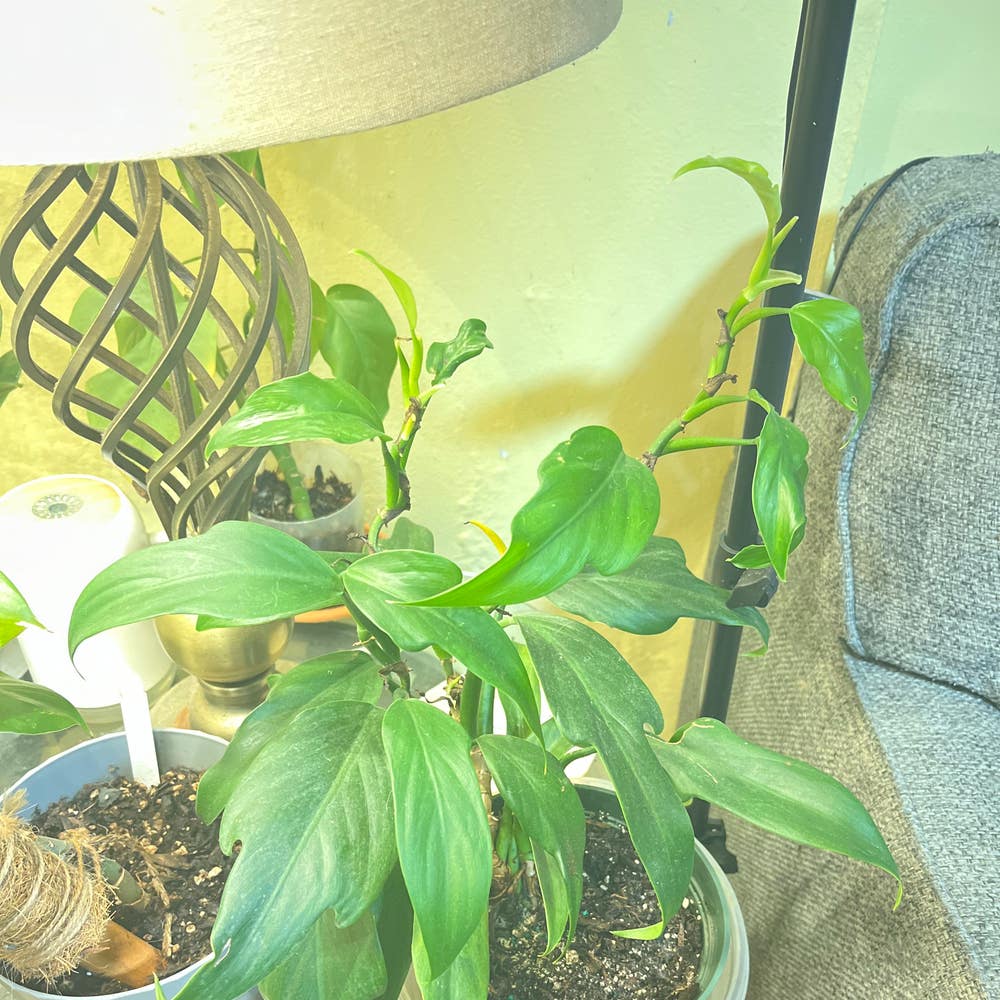
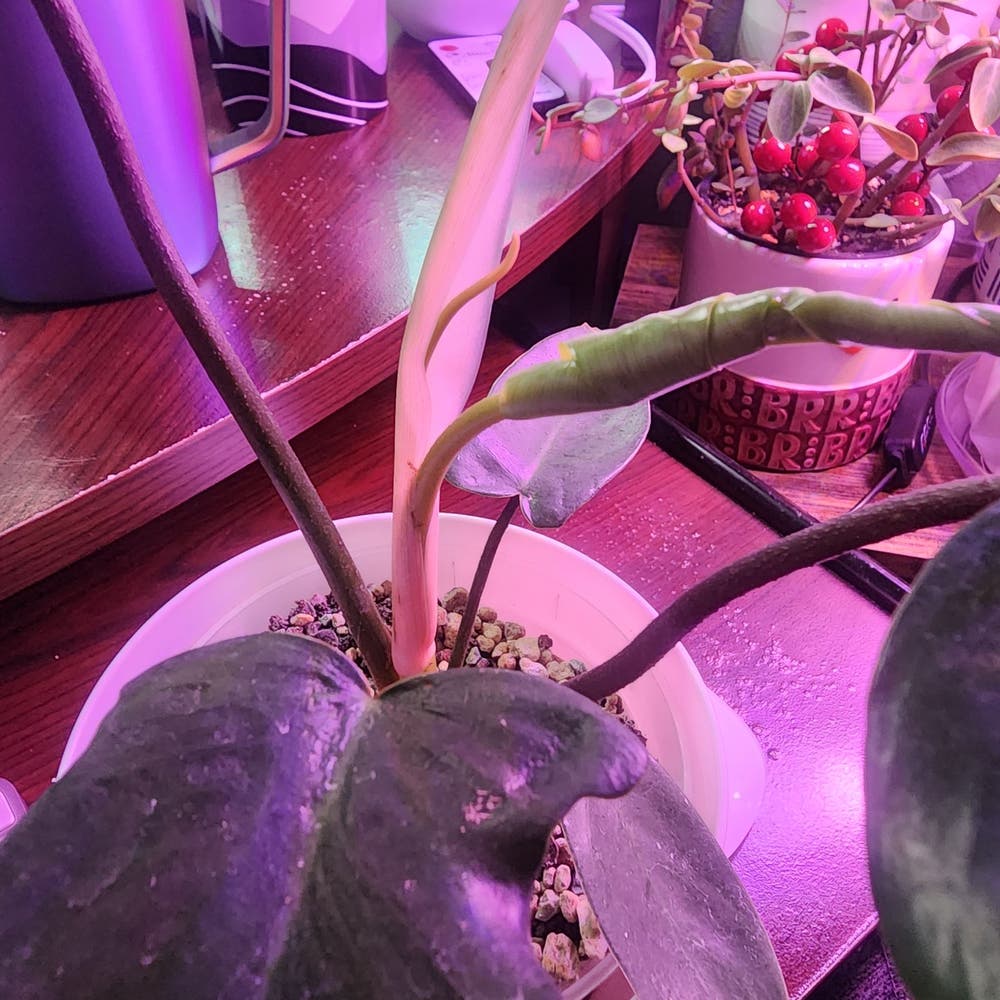
Should I Repot My Philodendron panduriforme And If So, How?
Philodendron panduriforme
By the Greg Editorial Team
Jun 18, 2024•5 min read
This article was created with the help of AI so we can cover more plants for you. May contain errors. See one? Report it here.
- Roots outgrowing the pot? Time to repot your Philodendron panduriforme.
- Choose the right pot and soil for a successful repotting.
- Post-repot care is crucial for recovery and continued growth.
Spotting the Telltale Signs for Repotting
🌱 Root Clues: When Roots Take Over the Pot
Roots should be hidden beneath the soil, not escaping through the pot's drainage holes. If you're greeted by a root ball that looks like it's trying to flee the confines of its container, it's a blatant sign that your Philodendron panduriforme is root-bound and needs more space.
📦 Sluggish Growth: Understanding When Your Plant is Cramped
When your plant's growth has slowed to a pace that would lose to a tortoise, it's not just being lazy. It's likely cramped. If your Philodendron panduriforme's leaves have stopped their usual unfurling and expansion, consider it a cry for help and a bigger pot.
💧 Water Woes: How Poor Drainage Signals It's Time for a Change
If watering your plant is akin to watching water go down a drain, take note. Soil that dries out faster than you can say "thirsty" is a telltale sign of a compacted root system. It's not just quirky; it's a red flag waving at you to give your plant some breathing room with a repotting session.

Prepping for the Big Move
🛠️ Gathering Your Repotting Gear: What You'll Need
Before you start, assemble your tools. You'll need a new pot with drainage holes—this isn't negotiable. Grab a well-draining soil mix, rich in organic matter, and make sure it's slightly acidic. Philodendron panduriforme isn't picky about pH, but it won't tolerate wet feet. Have some gloves on hand, especially if you're not a fan of dirt under your nails. A trowel, scissors, or a knife might come in handy for any unexpected root entanglements.
🌅 Choosing a Spot: Setting the Stage for a Smooth Transition
Find a well-lit area for the operation, but avoid direct sunlight that could stress your plant. Lay down some newspaper or a tarp to catch spills—think of it as setting up a no-mess zone. Ensure the space is at a comfortable working height to avoid any back-breaking acrobatics. Remember, you're the surgeon in this plant ER, and precision is key. Keep the environment stable; avoid drafts or temperature swings that could shock your green patient.

The Repotting Rundown
🌱 Selecting a New Home: Pot Materials and Drainage
When it comes to pot materials, your Philodendron panduriforme isn't picky, but it does have preferences. Terracotta is the breathable choice, promoting air flow and reducing the risk of overwatering. Plastic is the budget-friendly, lightweight option, though it retains moisture longer, which can be a double-edged sword. Ceramic pots, while stylish, are less porous, meaning they hold water longer – a consideration if you're prone to over-love with water.
Drainage is non-negotiable. Your pot must have holes, period. Skip the myth of layering rocks at the bottom; it's a one-way ticket to Soggy Roots Central. Instead, opt for a clear path for water to escape. A coffee filter or mesh at the bottom can prevent soil escape while keeping the drainage expressway open.
🚪 Out with the Old: Removing Your Plant Safely
Time to evict your plant from its current residence. If it resists, don't wage war. A gentle squeeze or tap on the pot's sides should coax it out. Once free, give your plant a temporary safe spot—no cliff edges or high-traffic areas where it could take a tumble.
Inspect the roots like a detective at a crime scene. Look for signs of rot or damage. Healthy roots are your green light; anything suspicious, and you'll need to snip away the evidence with clean, sharp scissors.
🏡 In with the New: Planting in the New Pot
Pot size is crucial. Go one or two sizes up—no more, no less. A mansion-sized pot for your Philodendron panduriforme is a recipe for waterlogging, while a cramped space is just plain cruel.
Soil selection is like crafting a gourmet meal for your plant. A well-draining mix is the star of the show. Think equal parts peat moss, perlite or vermiculite, and coarse sand. It's the trifecta of aeration, moisture management, and support.
When planting, center stage is where your Philodendron panduriforme shines. Nestle it in, ensuring it's not too deep or riding high. Fill around with your premium soil mix, firming gently. It's not just about looks; it's about creating a supportive environment for growth.

Post-Repotting Care: Helping Your Plant Settle In
💦 The First Watering
After the repotting dance, your Philodendron panduriforme's roots are thirsty. Water thoroughly once, then wait for the top inch of soil to dry before the next watering. Overwatering can lead to a root rot horror show, so err on the side of too little rather than too much.
👀 Spotting Stress Signals
It's normal for your plant to sulk a bit after repotting. Yellow leaves or a droopy demeanor are cries for help. If the soil's too wet, ease up on the H2O. If it's bone-dry, it's time to up your watering game. Rotate the pot now and then to prevent a lopsided growth tragedy.
🌱 Long-term Love
Your plant's post-repotting needs are simple: consistency and patience. Keep it in a spot with bright, indirect light and avoid the temptation to move it around. If you notice any distress, adjust care gradually. It's like nurturing a friendship – it takes time and attention to grow.
⚠️ Safety First
This content is for general information and may contain errors, omissions, or outdated details. It is not medical, veterinary advice, or an endorsement of therapeutic claims.
Always consult a qualified healthcare professional before using any plant as food, medicine, or supplement.
Never eat any plant (or feed one to pets) without confirming its identity with at least two trusted sources.
If you suspect poisoning, call Poison Control (800) 222-1222, the Pet Poison Helpline (800) 213-6680, or your local emergency service immediately.
Spotted an error? Please report it here.
After repotting, let Greg tailor a watering schedule 🌱 to your Philodendron panduriforme's new needs, and connect with the community for any post-repotting tips!