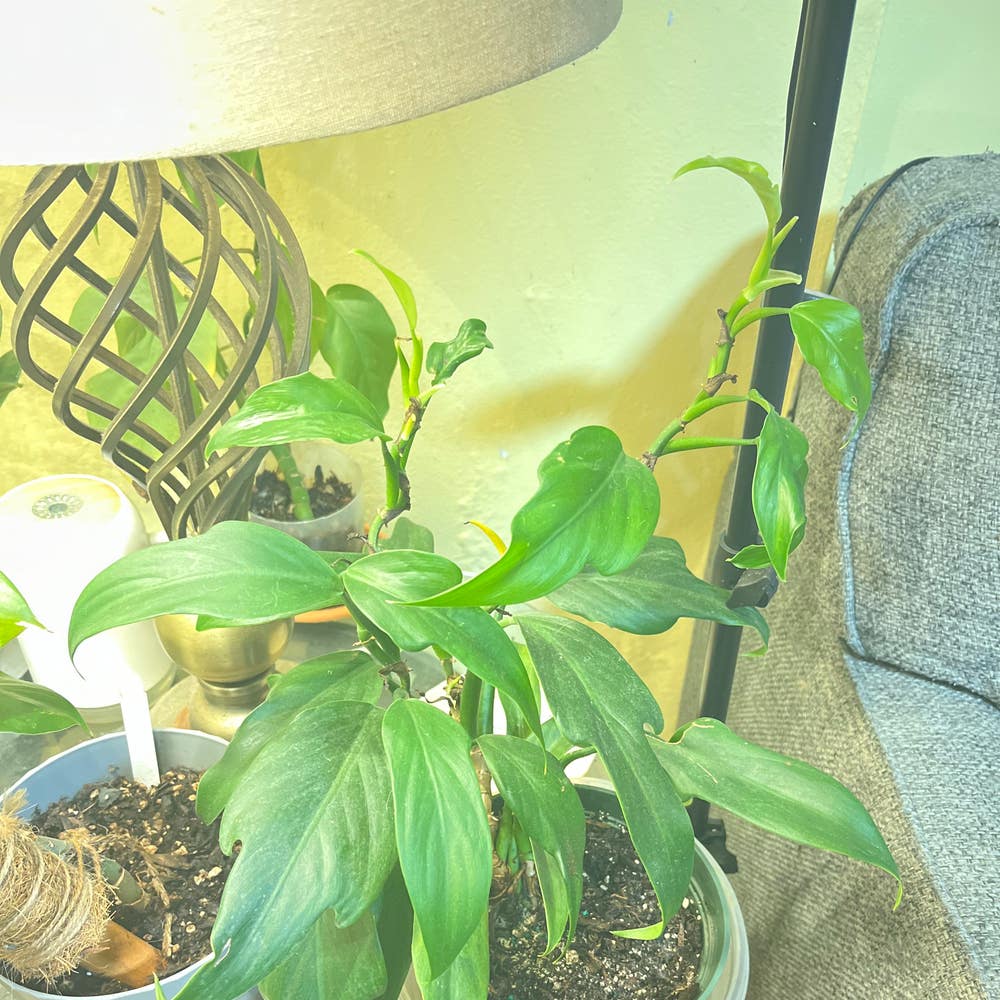
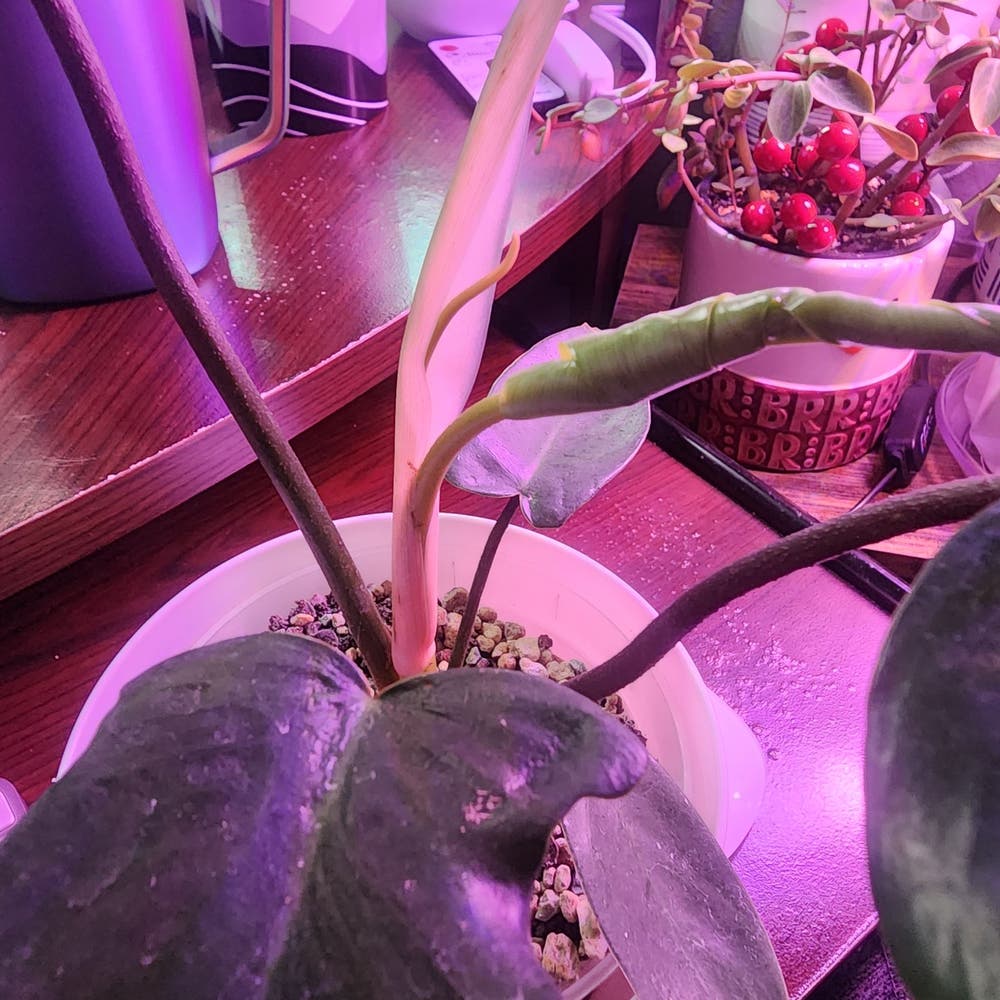
What Are The Bugs on My Philodendron panduriforme? 🐛
Philodendron panduriforme
By the Greg Editorial Team
Jun 18, 2024•4 min read
This article was created with the help of AI so we can cover more plants for you. May contain errors. See one? Report it here.
- 🕸️ Spider mites and scale insects: Look for webbing, bumps, and use neem oil.
- 🚫 Prevent gnats and flies: Let soil dry, use sticky traps, keep clean.
- 🐞 Beneficial insects and cleanliness: Key to controlling pests naturally.
Spot the Invaders: Identifying Common Pests
🕷️ Spider Mites
Tell-tale Signs
Webbing and leaf damage are your first clues to a spider mite problem. These pests are tiny, but the havoc they wreak is not. Look for fine, silky threads and leaves with a speckled or bronzed appearance.
Quick Fixes and Strategies
To tackle spider mites, increase humidity around your Philodendron panduriforme or give it a gentle shower. For persistent issues, neem oil or insecticidal soap can be effective. Regularly inspect your plant, especially the undersides of leaves.
⚔️ Scale Insects
Unmasking Scale
Scale insects are masters of disguise, appearing as small, waxy bumps on your plant. They might look harmless, but they're sap-sucking parasites that can weaken your Philodendron.
Scale Warfare
Physically remove scales with a soft brush or cloth. For stubborn cases, dab them with a cotton swab soaked in rubbing alcohol. Prevent future problems with periodic applications of insecticidal soap.
🦟 Fungus Gnats and Fruit Flies
Identification and Impact
Fungus gnats love moist soil and are seen as tiny black flies around plants. Fruit flies are similar but are attracted to decaying organic matter. Both can stress your plant but are more nuisance than threat.
Prevention and Cure
Prevent gnats by letting the soil dry between waterings. Catch adults with yellow sticky traps and deter larvae with a sand layer atop the soil. Keep your plant area clean to discourage fruit flies.

The Sticky Situation: Tackling Mealybugs and Thrips
🐛 Mealybugs
White fluff on your Philodendron panduriforme? You've got mealybugs. These pests cozy up in leaf joints and under leaves, sapping the plant's strength and leaving sticky honeydew.
Eradicate them with alcohol swabs or cotton buds. For larger invasions, insecticidal soap or neem oil are your go-to tools. Apply repeatedly; mealybugs are stubborn.
🦟 Thrips
Silvery streaks on leaves are a dead giveaway for thrips. These tiny pests are masters at going unnoticed until damage is done.
Combat them with blue sticky traps to intercept adults. Prune affected areas to prevent spread. For larvae, insecticidal soaps or neem oil treatments are effective. Consistency is key to keep these pests at bay.

Less Frequent Foes: Other Pests to Watch Out For
🐞 Aphids
Aphids are like uninvited guests at a garden party, but instead of bringing a dish, they bring destruction. They're tiny, but they gang up on your Philodendron panduriforme, often appearing in clusters. These pests suck the sap from your plant and excrete a sticky substance known as honeydew. Natural predators like ladybugs are aphid assassins, so consider releasing them as a biological control method. If the situation is dire, a strong blast of water or insecticidal soap can send aphids packing.
🦟 Whiteflies
Whiteflies can be a bit more sneaky. They're tiny, moth-like, and love to hang out on the undersides of leaves. When disturbed, they take off in a cloud, revealing their presence. These pests also excrete honeydew, leading to sooty mold. Yellow sticky traps are like flypaper for whiteflies, and insecticidal soaps or neem oil can help keep them in check. Reflective mulches can also deter them from setting up shop.
General Tips
For these less frequent foes, vigilance is your best weapon. Regular inspections can catch problems early, when they're easier to manage. Avoid broad-spectrum pesticides; they can kill off beneficial insects that naturally keep pest populations down. Instead, opt for targeted treatments like neem oil or insecticidal soap. And remember, quarantine new plants to prevent introducing pests to your existing collection.

Fortify Your Philodendron: Prevention and Proactive Care
🐞 Regular Pest Inspections
Vigilance is your plant's best armor. Peek under leaves and scrutinize stem joints during your routine check-ups. Frequency? At least once a week, or whenever you water. Catching those freeloaders early means less headache later.
🌿 Unwelcoming Environment for Pests
Humidity and cleanliness are your stealthy sidekicks in the pest prevention saga. Keep the air around your Philodendron panduriforme just moist enough to deter spider mites, but not so damp that you're throwing a fungal fiesta. Wipe those leaves down—dust is a pest's playground.
🦗 Allies in the Fight
Beneficial insects are like having your own personal pest police. Introduce them to your plant's ecosystem, and watch them work their magic. Natural deterrents? They're your plant's secret weapon. Neem oil and insecticidal soap can send pests packing without the harsh chemical warfare.
⚠️ Safety First
This content is for general information and may contain errors, omissions, or outdated details. It is not medical, veterinary advice, or an endorsement of therapeutic claims.
Always consult a qualified healthcare professional before using any plant as food, medicine, or supplement.
Never eat any plant (or feed one to pets) without confirming its identity with at least two trusted sources.
If you suspect poisoning, call Poison Control (800) 222-1222, the Pet Poison Helpline (800) 213-6680, or your local emergency service immediately.
Spotted an error? Please report it here.
Eradicate pests on your Philodendron panduriforme with ease, and let Greg 🐛 keep you on track with reminders for regular inspections and tailored care tips!