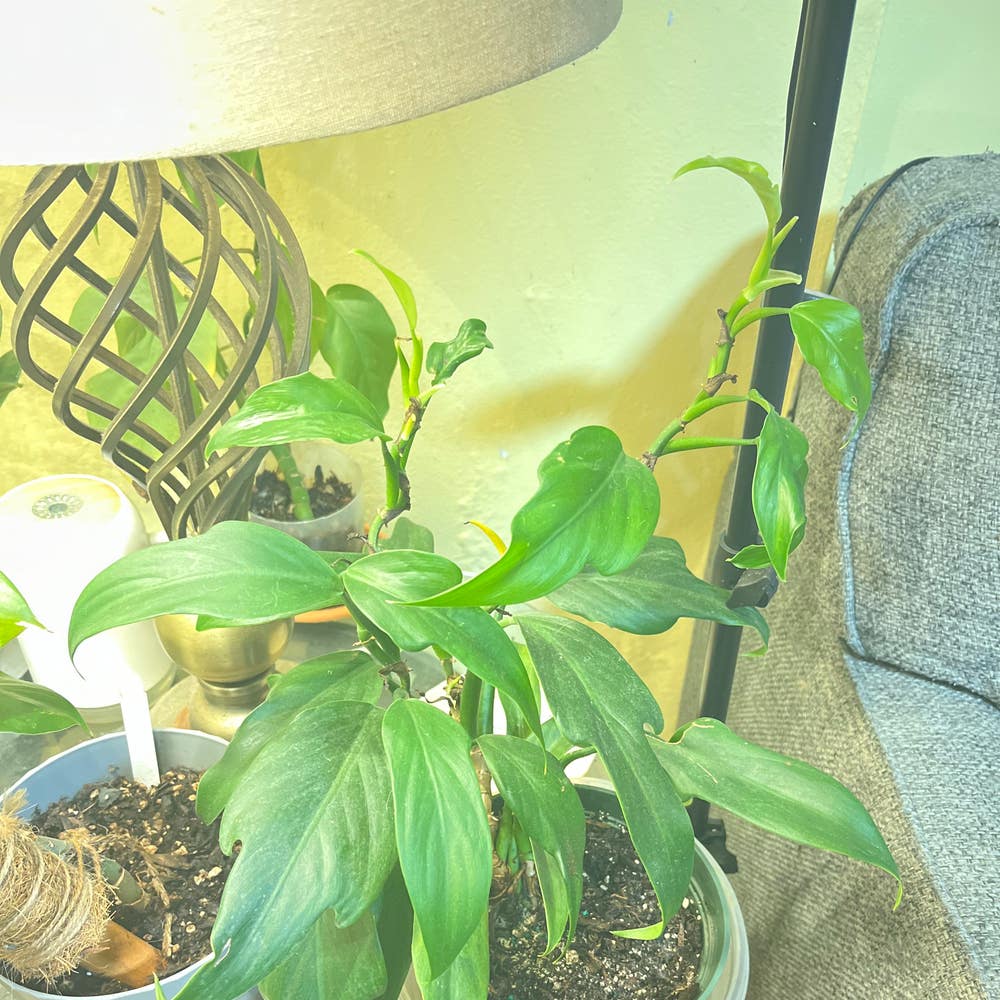
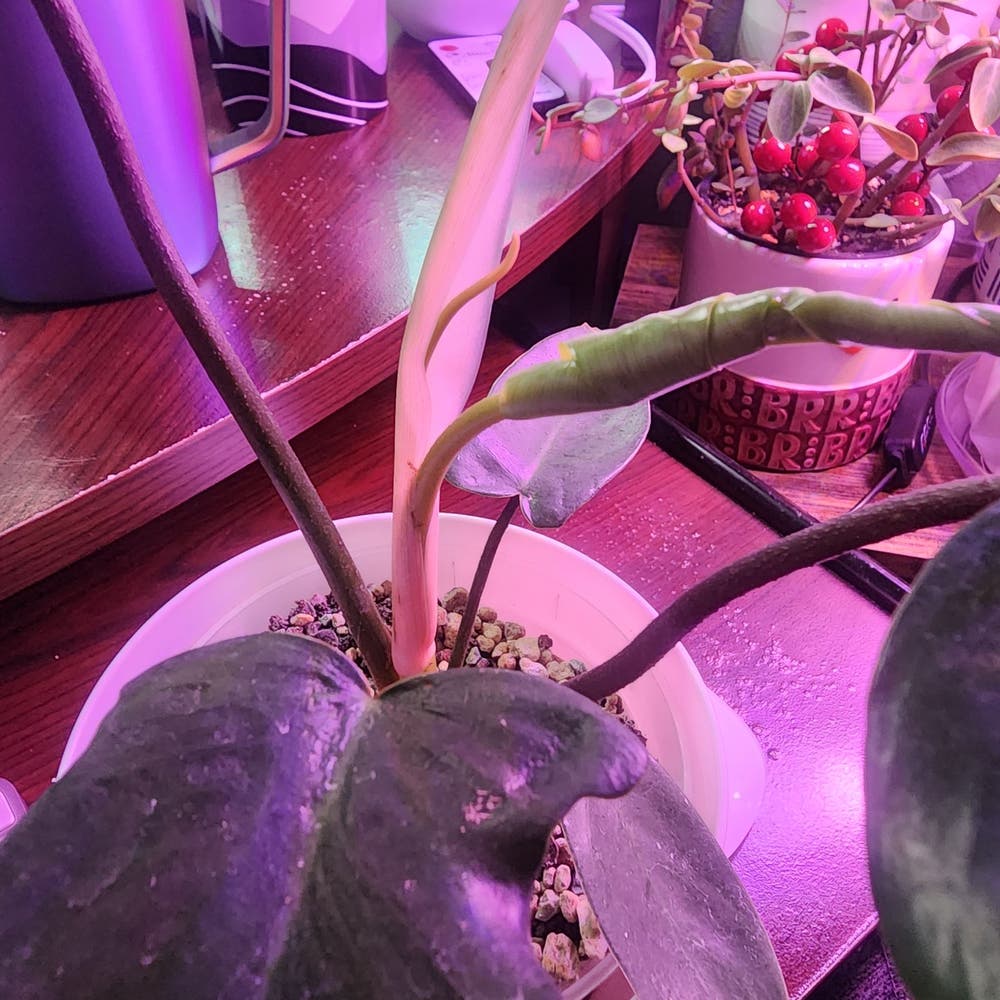
3 Ways to Boost Your Indoor Fiddleleaf Philodendron
Philodendron panduriforme
By the Greg Editorial Team
Sep 28, 2024•5 min read
This article was created with the help of AI so we can cover more plants for you. May contain errors. See one? Report it here.
- 🌞 Fiddleleaf philodendrons need 6-8 hours of bright, indirect sunlight daily for thriving.
- 💧 Water when top 1-2 inches of soil are dry; avoid overwatering and underwatering.
- 🌬️ Maintain humidity between 50-70% for optimal growth; use humidifiers if needed.
Light Requirements
Optimal Indoor Light Levels 🌞
To thrive, your fiddleleaf philodendron needs bright, indirect sunlight for about 6-8 hours each day. If you notice stunted growth, smaller leaves, or a leggy appearance, it’s a sign your plant isn’t getting enough light.
Role of Grow Lights 💡
Grow lights can be a game-changer, especially during winter months or in low-light conditions. They not only supplement natural light but also promote healthy growth and vibrant foliage, ensuring your plant remains lush and lively.
Choosing the Best Grow Light 🛠️
When selecting grow lights, you’ll typically choose between LED and fluorescent options. Aim for full-spectrum lights with a color temperature between 5000-6500K for the best results.
Position your grow lights 12-24 inches above the plant to maximize their effectiveness. This distance helps prevent leaf burn while providing adequate light for growth.
With the right light conditions, your fiddleleaf philodendron will flourish, setting the stage for its watering and humidity needs.
Watering Needs
Frequency and Amount 🌊
To keep your fiddleleaf philodendron thriving, establish a consistent watering schedule. Allow the top 1-2 inches of soil to dry out between waterings, ensuring you don’t drown your plant.
When you do water, aim to saturate the soil until it drains from the bottom of the pot. This method encourages healthy root growth and prevents waterlogging.
Signs of Overwatering and Underwatering 🚨
Recognizing the signs of overwatering is crucial for your plant's health. Look for yellowing leaves, mushy roots, and moldy soil—these are clear indicators that you might be giving your plant too much love.
On the flip side, underwatering can also cause distress. Watch for wilting leaves, crispy edges, and drooping; these symptoms signal that your fiddleleaf needs a drink.
By staying attentive to these watering needs, you can ensure your fiddleleaf philodendron remains vibrant and healthy. Next, let’s explore the ideal humidity and temperature conditions to further boost your plant's growth.
Humidity and Temperature
Ideal Humidity Levels 🌧️
Maintaining the right humidity is crucial for your fiddleleaf philodendron. Aim for an optimal range of 50-70% to ensure healthy growth.
Low humidity can lead to brown leaf tips and edges, signaling that your plant is not getting the moisture it needs. Keep an eye on those leaves!
Temperature Preferences 🌡️
Your fiddleleaf philodendron thrives in a cozy environment. The ideal temperature range is between 65°F to 80°F (18°C to 27°C).
Avoid placing your plant near drafts or heating vents, as temperature fluctuations can stress it out. Consistency is key!
Humidity Control Methods 💧
If your indoor air is dry, there are several ways to boost humidity. Consider using a humidifier, setting up pebble trays, or misting the leaves regularly.
To keep track of humidity levels, a hygrometer can be a handy tool. Monitoring ensures your plant stays in its comfort zone, promoting vibrant growth.
With the right humidity and temperature, your fiddleleaf philodendron will flourish, setting the stage for the next essential care aspect: soil and fertilization.
Soil and Fertilization
Best Soil Type 🌱
For your fiddleleaf philodendron, a well-draining potting mix is essential. Look for a blend that includes peat moss and perlite to ensure proper aeration and moisture retention.
Maintaining the right soil pH is also crucial. Aim for a slightly acidic to neutral range, ideally between pH 6.0 and 7.0, to promote healthy root development.
Fertilization Schedule 🗓️
During the growing season, which spans spring and summer, fertilize your plant every 4-6 weeks. This regular feeding helps support vibrant growth and lush foliage.
When choosing fertilizers, opt for a balanced liquid option, such as NPK 20-20-20. Organic alternatives like fish emulsion can also provide excellent nutrients without harsh chemicals.
By ensuring your fiddleleaf philodendron has the right soil and fertilization, you set the stage for a thriving indoor plant. Next, let’s explore how to maintain optimal humidity and temperature for your leafy friend.
Placement and Maintenance
Best Placement Within the Home 🌅
For your fiddleleaf philodendron to thrive, position it near east or west-facing windows. This placement ensures it receives the bright, indirect sunlight it craves while avoiding the harsh afternoon rays that can scorch its leaves.
Tips for Maintaining Plant Appearance 🧼
Regular maintenance is key to keeping your plant looking its best. Wipe the leaves with a damp cloth to remove dust, allowing the plant to breathe and photosynthesize effectively.
Monitoring Growth 🔄
To promote even growth, rotate your fiddleleaf philodendron periodically. This simple action helps all sides of the plant receive adequate light, preventing lopsided growth.
Seasonal Care Adjustments 🍂
As seasons change, so should your care routine. In winter, reduce watering and adjust light exposure to accommodate shorter days.
Summer Care ☀️
During the hotter months, increase humidity and watering frequency. Your fiddleleaf will appreciate the extra moisture, helping it stay lush and vibrant.
By following these placement and maintenance tips, you’ll ensure your indoor fiddleleaf philodendron remains healthy and beautiful year-round. Next, let’s explore the soil and fertilization needs to keep your plant thriving.
⚠️ Safety First
This content is for general information and may contain errors, omissions, or outdated details. It is not medical, veterinary advice, or an endorsement of therapeutic claims.
Always consult a qualified healthcare professional before using any plant as food, medicine, or supplement.
Never eat any plant (or feed one to pets) without confirming its identity with at least two trusted sources.
If you suspect poisoning, call Poison Control (800) 222-1222, the Pet Poison Helpline (800) 213-6680, or your local emergency service immediately.
Spotted an error? Please report it here.
Elevate your fiddleleaf philodendron's growth 🌱 with Greg's tailored care reminders that help you master light, water, and humidity for a thriving indoor oasis!