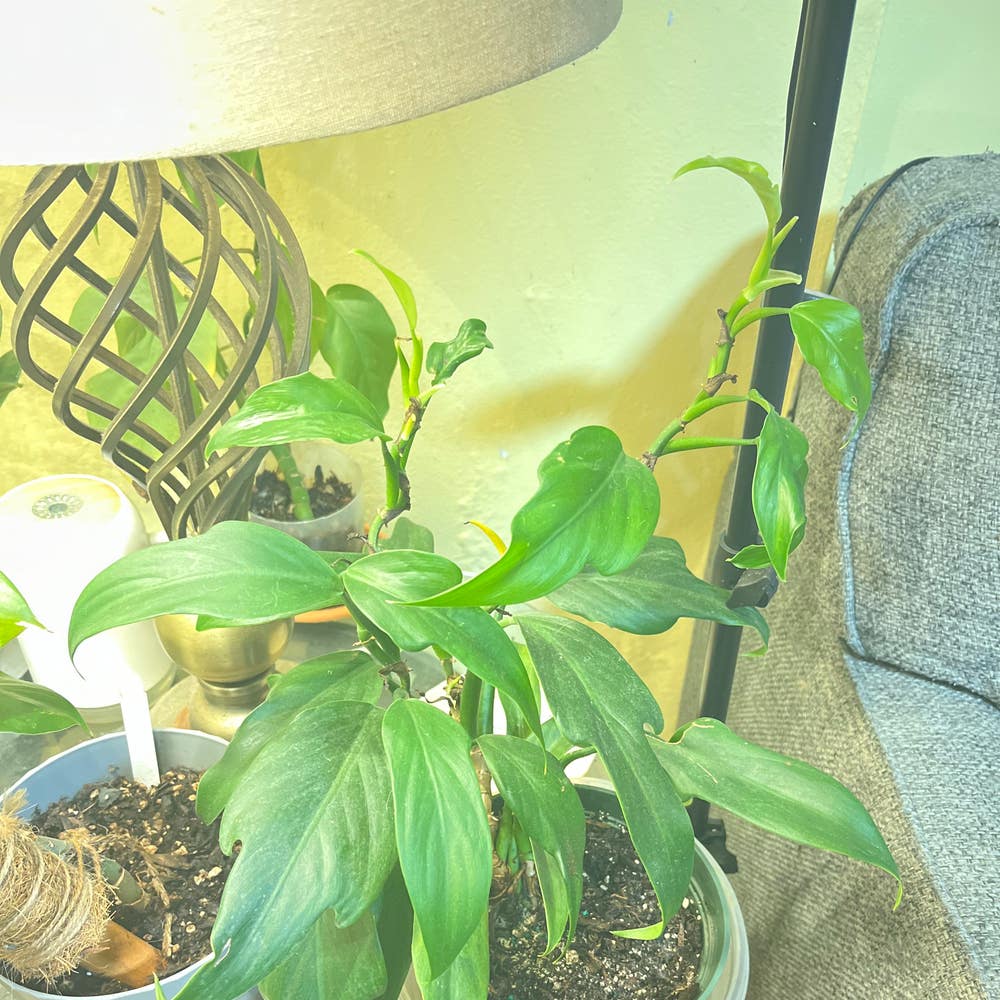
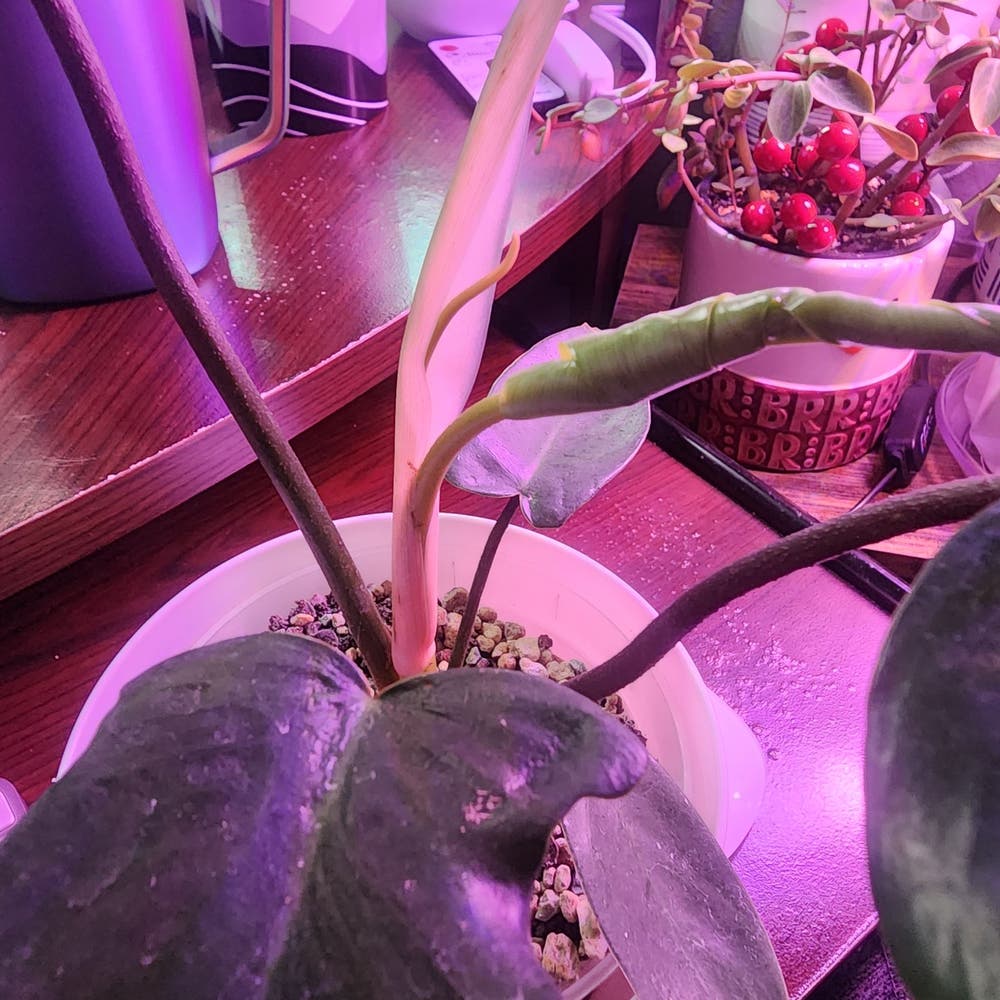
🌳 How Big Fiddleleaf Philodendron Grows
Philodendron panduriforme
By the Greg Editorial Team
Sep 28, 2024•4 min read
This article was created with the help of AI so we can cover more plants for you. May contain errors. See one? Report it here.
- 🌱 Big Fiddleleaf Philodendron can grow several feet annually in ideal conditions.
- ☀️ Optimal growth requires bright, indirect sunlight for 6-8 hours daily.
- 🌡️ Humidity and temperature between 60-80% and 65°F-80°F are crucial for health.
Growth Rate and Time to Full Size
🌱 Average Growth Rate
The Big Fiddleleaf Philodendron can grow several feet in a single season when provided with ideal conditions. This rapid growth makes it a popular choice for plant enthusiasts eager to see their greenery flourish.
⏳ Time to Reach Full Size
Indoors, this plant typically takes about 5-7 years to achieve its mature dimensions. However, when grown outdoors, it can reach full size more quickly due to the benefits of natural sunlight and environmental factors.
⚡️ Factors Affecting Growth Rate
Several key factors influence how fast your Fiddleleaf Philodendron grows:
- Nutrient Availability: A nutrient-rich environment promotes robust growth.
- Watering Practices: Consistent and appropriate watering is crucial for healthy development.
- Seasonal Changes: Growth can vary with the seasons, often peaking during warmer months.
Understanding these elements can help you create the perfect conditions for your plant's growth. By optimizing light, water, and nutrients, you can enjoy a thriving Fiddleleaf Philodendron in no time.
Next, we'll explore how different growing conditions can further influence the size of your plant.
Influence of Growing Conditions on Size
💡 Light Conditions and Their Impact on Growth
The light your fiddleleaf philodendron receives is crucial for its growth. Ideally, it thrives in bright, indirect sunlight for about 6-8 hours daily.
In low light conditions, you might notice slower growth and smaller leaves. Additionally, the plant may become leggy as it stretches toward any available light, which can affect its overall appearance.
🌫️ Humidity and Temperature Effects
Humidity plays a significant role in the health of your plant. For optimal growth, aim for humidity levels between 60-80%.
Temperature is equally important. Fiddleleaf philodendrons thrive in temperatures ranging from 65°F to 80°F (18°C to 27°C). Extreme temperatures can stunt growth or even damage the plant, so keep it in a stable environment.
🌱 Soil Type and Drainage Considerations
Choosing the right soil is essential for your plant's success. A well-draining potting mix enriched with organic matter is recommended.
Poor drainage can lead to root rot, severely limiting growth and overall size. Ensure your pot has adequate drainage holes and is the right size to promote healthy root development.
Understanding these growing conditions will help you create an environment where your fiddleleaf philodendron can flourish. Next, let’s explore the various varieties and their growth potential.
Varieties and Their Growth Potential
🌱 Dwarf Varieties
Dwarf fiddleleaf philodendrons are perfect for those with limited space. Typically reaching heights of 3-5 feet, they fit snugly into smaller indoor areas or container gardens.
These compact plants still offer lush foliage, making them a great choice for adding greenery without overwhelming your space. Their manageable size allows for easy care and maintenance.
🌳 Giant Varieties
On the other end of the spectrum, giant fiddleleaf philodendrons can soar beyond 10 feet when given the right conditions. With larger leaves, they not only make a statement but also contribute significantly to the overall size of the plant.
These towering beauties thrive in spacious environments, where they can truly showcase their grandeur. Proper care, including adequate light and nutrients, is essential for maximizing their growth potential.
Understanding the differences between dwarf and giant varieties helps you choose the right fit for your home or garden. Whether you prefer a compact companion or a dramatic centerpiece, there's a fiddleleaf philodendron variety for everyone.
As you explore these options, consider how each variety aligns with your space and lifestyle. This knowledge will guide you in nurturing a thriving plant that brings joy and vibrancy to your environment.
Next, let’s delve into how you can control the size of your fiddleleaf philodendron through effective pruning techniques.
Controlling Size Through Pruning
✂️ Pruning Techniques for Size Management
Pruning is essential for managing the size of your fiddleleaf philodendron. One effective method is pinching back new growth, which encourages a bushier appearance.
Another technique involves cutting back leggy stems. This promotes a fuller look and helps maintain a balanced shape.
⏰ Timing and Frequency of Pruning
Timing is crucial when it comes to pruning. The best times to prune are early spring, during the active growth phase, and after flowering or when growth slows in winter.
As for frequency, aim to prune every 6-12 months. This depends on your plant's growth rate and your desired size.
🌱 Impact of Pruning on Growth Rate and Health
Pruning not only controls size but also encourages new growth. It can rejuvenate older plants, keeping them vibrant and healthy.
However, be cautious about over-pruning. Removing too much foliage at once can stress the plant and reduce its growth potential.
By understanding these techniques and timing, you can effectively manage your fiddleleaf philodendron's size while ensuring its overall health. Next, let’s explore how different varieties of fiddleleaf philodendrons can impact growth potential.
⚠️ Safety First
This content is for general information and may contain errors, omissions, or outdated details. It is not medical, veterinary advice, or an endorsement of therapeutic claims.
Always consult a qualified healthcare professional before using any plant as food, medicine, or supplement.
Never eat any plant (or feed one to pets) without confirming its identity with at least two trusted sources.
If you suspect poisoning, call Poison Control (800) 222-1222, the Pet Poison Helpline (800) 213-6680, or your local emergency service immediately.
Spotted an error? Please report it here.
Unlock the full potential of your Big Fiddleleaf Philodendron 🌿 with Greg's tailored care reminders for optimal light, humidity, and watering, ensuring it grows beautifully in your home!