💧 How Much Humidity Does My Philodendron panduriforme Need?
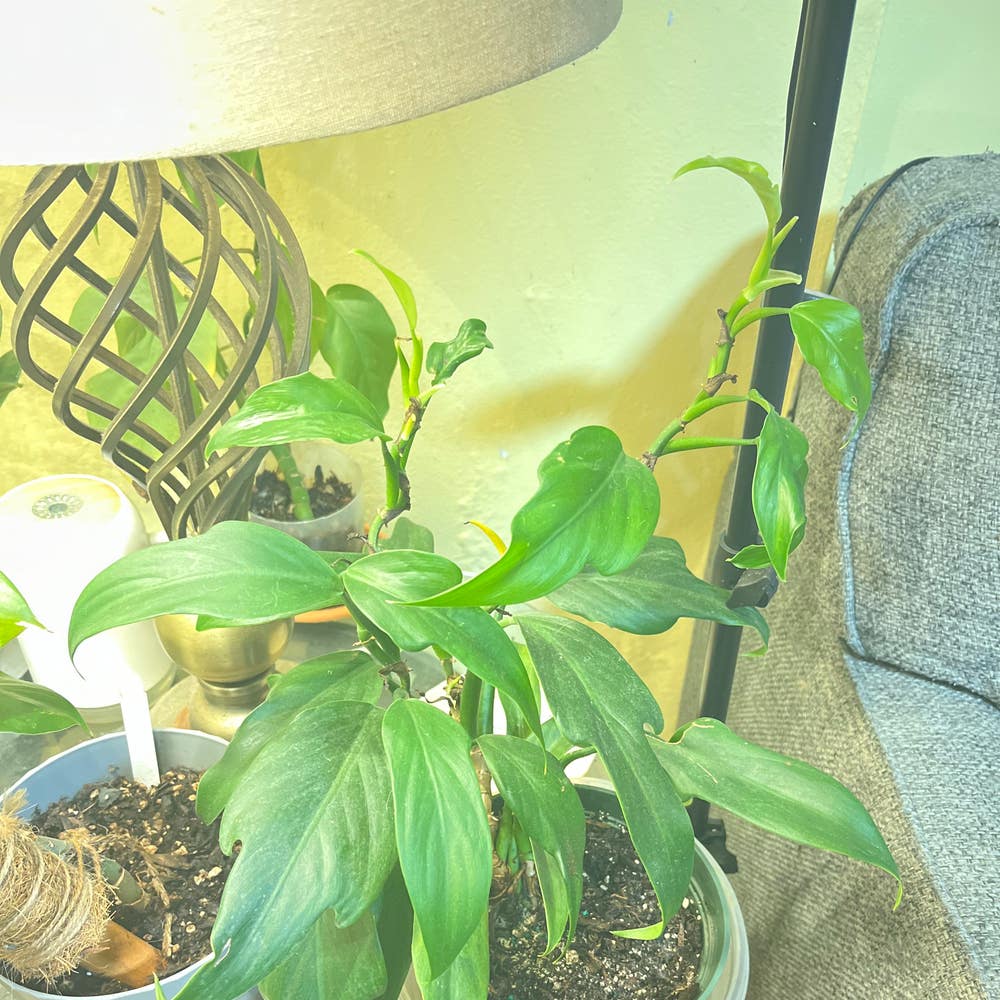
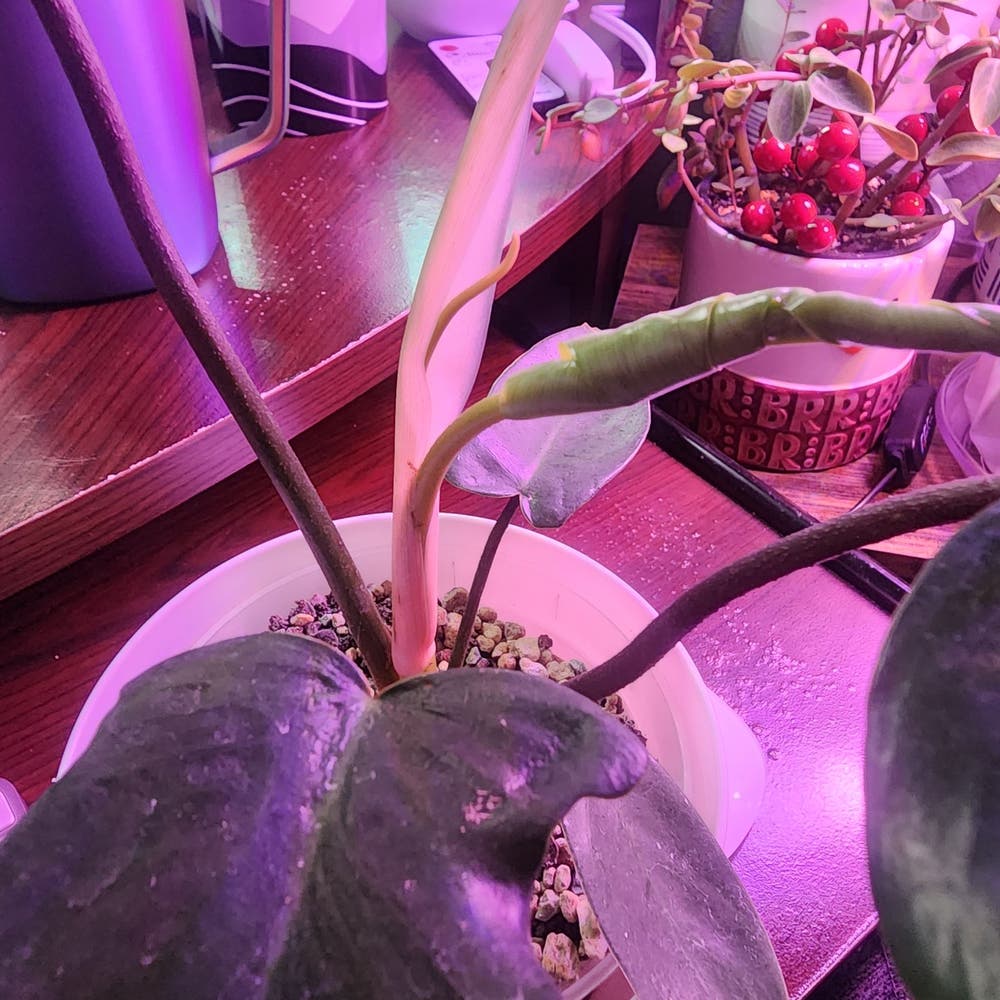
Philodendron panduriforme
By the Greg Editorial Team
Jun 18, 2024•5 min read
This article was created with the help of AI so we can cover more plants for you. May contain errors. See one? Report it here.
- Ideal humidity is 60-80% for Philodendron panduriforme to thrive.
- 🌡️ Temperature affects humidity; adjust to maintain plant health.
- Use tools like hygrometers to measure and manage humidity levels.
What's the Deal with Humidity for Philodendron panduriforme?
💧 Absolute vs. Relative Humidity: A Quick Rundown
Absolute humidity is the total water vapor present in the air, measured in grams per cubic meter. Think of it as the raw moisture content your Philodendron panduriforme could potentially tap into.
Relative humidity, on the other hand, is a percentage indicating how saturated the air is with water vapor at a specific temperature. It's a crucial metric because it directly affects your plant's ability to transpire and photosynthesize.
🌿 The Sweet Spot: Ideal Humidity Range for Your Leafy Friend
Philodendron panduriforme, like its tropical cousins, flourishes in a consistent humidity level above 50%. Too low, and you'll witness the sad spectacle of browning leaves; too high, and you're in the danger zone for fungal nightmares.
Aim for a humidity sweet spot between 60% and 80% to keep your Philodendron panduriforme in its comfort zone. This range ensures that your plant's leaves stay lush, and its growth remains vigorous. Remember, the right humidity makes all the difference between a plant that's just surviving and one that's thriving.

Assessing Your Local Humidity Scene
🌡️ Why Your Philodendron panduriforme Cares About Your Zip Code
Your Philodendron panduriforme isn't just being nosy; local climate affects its well-being. Whether you're living in a humid Houston or arid Arizona, your zip code gives you a sneak peek into the daily life of your leafy companion.
🛠️ Tools of the Trade: Measuring Humidity Like a Pro
Forget crystal balls; hygrometers are your plant's future-tellers. These nifty devices will spill the beans on your indoor humidity, helping you avoid turning your plant's home into a desert or a swamp.
Smart thermostats or AC controllers with humidity sensors are like having a botanist butler. They let you control the climate from your phone, automating your Philodendron's comfort.
For a quick check, moisture indicator test strips are your go-to. They're the mood rings for your plant's environment, changing color to show you the humidity vibe.
Remember, the right humidity level is as crucial as the perfect soil or the right amount of sunlight. It's about creating a microclimate that makes your Philodendron panduriforme feel like it's in its tropical home, without the airfare. Keep an eye on those numbers; they're the secret sauce to your plant's happiness.

Balancing Act: Adjusting Humidity for Philodendron panduriforme
🌿 When to Turn Up the Humidity
Philodendron panduriforme is a bit of a diva when it comes to humidity. If your home is drier than a comedian's wit, it's time to amp up the moisture. Pebble trays are a classic move—just fill a tray with pebbles, add water below the top layer, and let your plant lounge on top. The water evaporates, giving the air around your plant a mini spa treatment.
Humidifiers are the tech-savvy solution, letting you dial in that sweet spot of 60% humidity with precision. Grouping plants can also create a cozy microclimate, as they collectively exhale moisture into their surroundings. It's like having a plant party, and the dress code is tropical.
🌵 When to Dial It Down
Sometimes, you've got to bring the humidity down a notch. Ventilation is your go-to here; crack a window or let a fan do its thing. It's simple, effective, and keeps the air fresh without turning your space into a sauna. If you're dealing with a moisture marathon, a dehumidifier can be your best bet, sucking excess water out of the air like a thirsty camel.
Keep an eye out for mold or leaves that look like they've taken a dip in the pool—these are your cues to cut back on the humidity. And remember, watering with restraint is key; overdoing it can turn your plant's environment into a tropical storm. Keep it moderate, and your Philodendron panduriforme won't need a life raft.

Temperature and Humidity: A Brief Note
🌡️ How Temperature Affects Humidity
Temperature and humidity are like a dynamic duo in the plant world, each influencing the other. Your Philodendron panduriforme feels the ripple effects of this relationship. Warm air can hold more moisture, meaning as the mercury rises, so can the humidity in your home. This is crucial because your tropical buddy prefers a humid environment to mimic its natural habitat.
Keeping Your Philodendron Comfortable
To keep your Philodendron panduriforme from throwing a fit, avoid placing it near sources of extreme temperature changes like heaters or air conditioners. These can mess with the humidity around your plant. Instead, aim for a stable environment where temperature and humidity levels are consistent. Monitoring both with a thermostat and hygrometer is key to ensuring your leafy friend isn't silently suffering.
Adjusting Humidity with Temperature in Mind
If you're cranking up the heat during winter, remember that your indoor air will get drier. Counter this by boosting humidity for your Philodendron panduriforme. Conversely, if it's hot and muggy, you might need to dial down the humidity to prevent your plant from becoming a mold magnet. Keep the air around your plant moving with a gentle fan to strike the right balance.
Real-World Observations
In the real world, your Philodendron panduriforme doesn't care about the numbers; it cares about comfort. If the leaves start to look sad, it's a sign. Brown tips? Too dry. Yellowing? Maybe too damp. Stay observant, and adjust your care tactics accordingly. After all, you're not just growing a plant; you're engineering a microclimate.
⚠️ Safety First
This content is for general information and may contain errors, omissions, or outdated details. It is not medical, veterinary advice, or an endorsement of therapeutic claims.
Always consult a qualified healthcare professional before using any plant as food, medicine, or supplement.
Never eat any plant (or feed one to pets) without confirming its identity with at least two trusted sources.
If you suspect poisoning, call Poison Control (800) 222-1222, the Pet Poison Helpline (800) 213-6680, or your local emergency service immediately.
Spotted an error? Please report it here.
Keep your Philodendron panduriforme in peak health 🌿 by leveraging Greg's tailored care reminders that track and adjust to your home's humidity levels.