Black Spots on My Philodendron panduriforme Leaves
Philodendron panduriforme
By the Greg Editorial Team
Jun 18, 2024•4 min read
This article was created with the help of AI so we can cover more plants for you. May contain errors. See one? Report it here.
- Black spots signal distress, especially on new growth.
- Fungal and bacterial infections are common culprits.
- Balance moisture and airflow to prevent recurrence.
Spotting the Trouble: Recognizing Black Spots
🕵️ Visual Symptoms: What to Look For
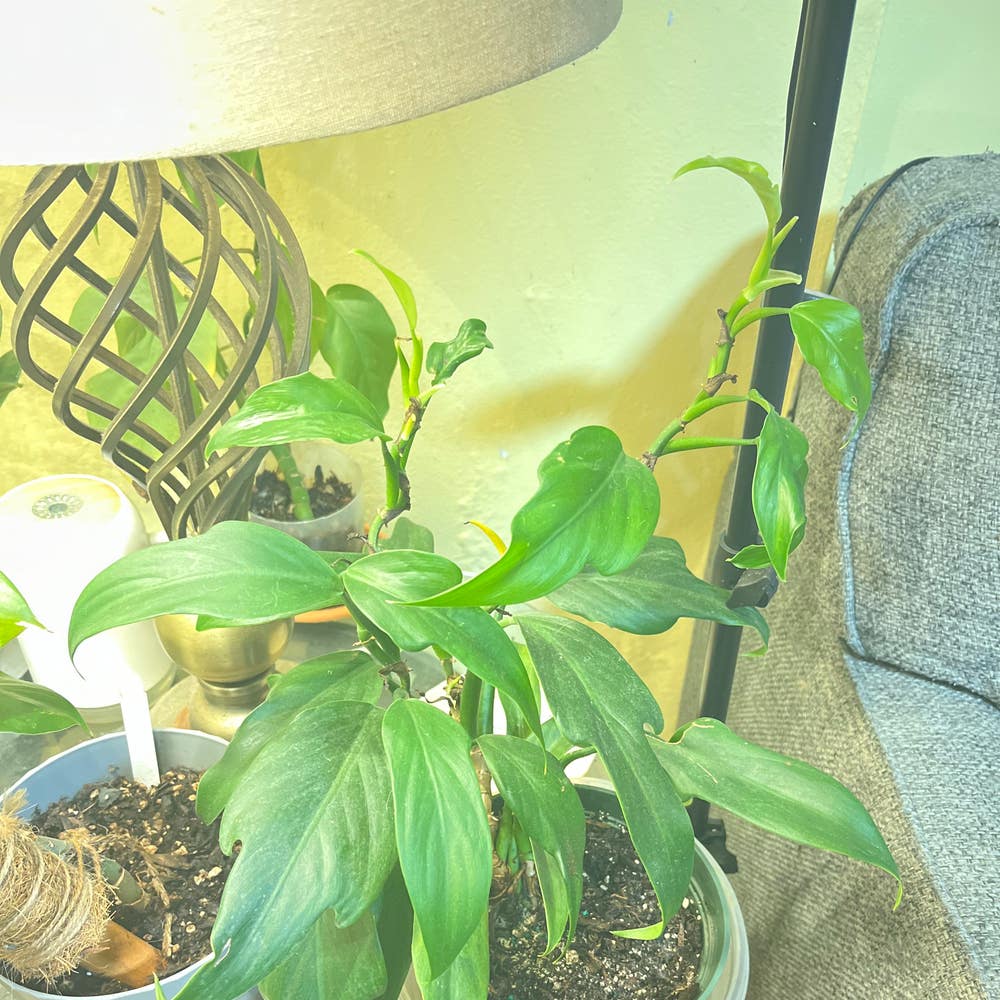
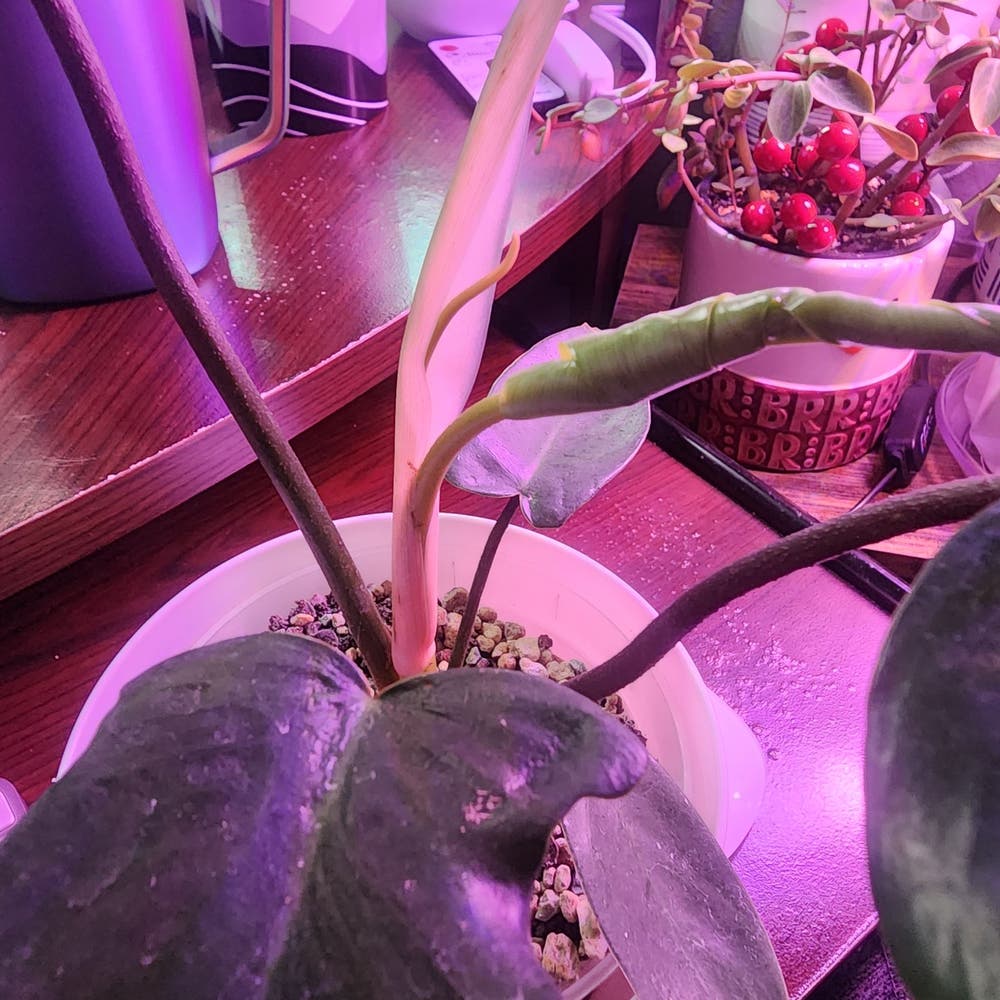
In the battle against black spots on your Philodendron panduriforme, vigilance is key. Tiny specks may seem harmless at first glance, but they're the first sign of potential trouble. These spots can vary in appearance, from jet black to brownish hues, sometimes encircled by telltale yellow halos. Texture is a tell, too—some spots are raised, others sunken, and a few might even feel slimy to the touch.
📈 Progression Patterns: How Black Spots Develop Over Time
The development of black spots is not to be underestimated. Initially small, these blemishes can expand rapidly, merging into larger, more ominous patches. This progression can be a distress signal, especially if the new growth is affected before older leaves. A swift increase in size or number of spots is your cue for immediate action—think of it as your plant's cry for help. Keep a close eye on the evolution of these spots; changes in size, shape, or color can indicate the severity and type of the underlying issue.

Zeroing In: What's Causing the Black Spots?
🍄 Fungal Foes: Identifying Common Culprits
Fungal infections are the party crashers of the plant world, thriving in the damp and cozy nooks of your Philodendron panduriforme's leaves. Cercospora is one such uninvited guest, leaving behind those unsightly black spots as its calling card. It's not just about the amount of water you give; it's about ensuring it doesn't overstay its welcome.
🦠 Bacterial Baddies: When Microbes Attack
Bacterial leaf spot, often caused by Pseudomonas and Acidovorax, is like that one relative who overstays their visit and leaves a mess. Symptoms include irregular brown or black spots that can lead to leaf deterioration. These bacteria love wet conditions and poor air circulation, so it's crucial to keep your plant's environment less inviting to these microscopic mischief-makers.
🌦️ Environmental Stressors: Understanding the Role of Moisture and Airflow
High humidity and stagnant air are like a red carpet event for pathogens. They set the stage for both fungal and bacterial infections to flourish. To keep these uninvited guests at bay, balance moisture levels and ensure your Philodendron panduriforme has plenty of breathing room. Remember, it's not just about slapping on a Band-Aid; it's about getting to the root of the issue for effective prevention and care.

Taking Action: How to Treat Black Spots
🛡️ First Response: Immediate Steps to Take
When black spots mar your Philodendron panduriforme, isolation is your first move. Separate the plant to keep the problem from going viral in your garden. Next, inspect the spots. A crusty texture screams fungal, while a soggy feel hints at bacterial woes.
🌿 Pruning with Precision: How to Safely Remove Affected Leaves
Grab your sterilized scissors or shears; it's surgery time. Snip off the infected leaves, but don't just toss them in the compost. Think quarantine—dispose of them like they're radioactive. Post-op, clean your tools like they're going back into the sterile field.
💉 Fungicides and Bactericides: Choosing the Right Treatment
If the black spots are throwing a rave on your plant's leaves, it's time to crash the party. Fungicides or bactericides are your bouncers. Read the label like it's the secret to eternal youth and apply with the precision of a sniper. Cover all the bases, but don't drown your plant in chemicals. Remember, you're aiming for a cure, not a plant apocalypse.

Keeping It Clean: Prevention Tactics
💧 Water Wisdom: Balancing Moisture for Health
Watering your Philodendron panduriforme is a delicate dance. Too much and you're throwing a pool party for fungi; too little and your plant's thirst goes unquenched. Use a moisture meter to take the guesswork out of watering, ensuring the soil is perfectly parched before the next pour.
💨 Airflow Optimization: Strategies for a Breathable Environment
Airflow is like your plant's personal trainer, keeping its respiratory system in top shape. Position your Philodendron where the air is fresh but not directly in the line of drafty windows or AC units. A fan set on low can circulate air without creating a mini tornado.
👀 Vigilant Monitoring: Regular Checks to Keep Spots at Bay
Regular inspections are the secret sauce to a spotless Philodendron panduriforme. Be the Sherlock Holmes of plant care, looking for the slightest hint of black spots. Cleanliness is your plant's best friend; wipe those leaves with a damp cloth, but skip the leaf shine – it's basically a facial mask for pests and diseases.
⚠️ Safety First
This content is for general information and may contain errors, omissions, or outdated details. It is not medical, veterinary advice, or an endorsement of therapeutic claims.
Always consult a qualified healthcare professional before using any plant as food, medicine, or supplement.
Never eat any plant (or feed one to pets) without confirming its identity with at least two trusted sources.
If you suspect poisoning, call Poison Control (800) 222-1222, the Pet Poison Helpline (800) 213-6680, or your local emergency service immediately.
Spotted an error? Please report it here.
Eradicate black spots 🕵️♂️ on your Philodendron panduriforme with Greg's custom reminders for optimal moisture and airflow, keeping your green friend in top health!