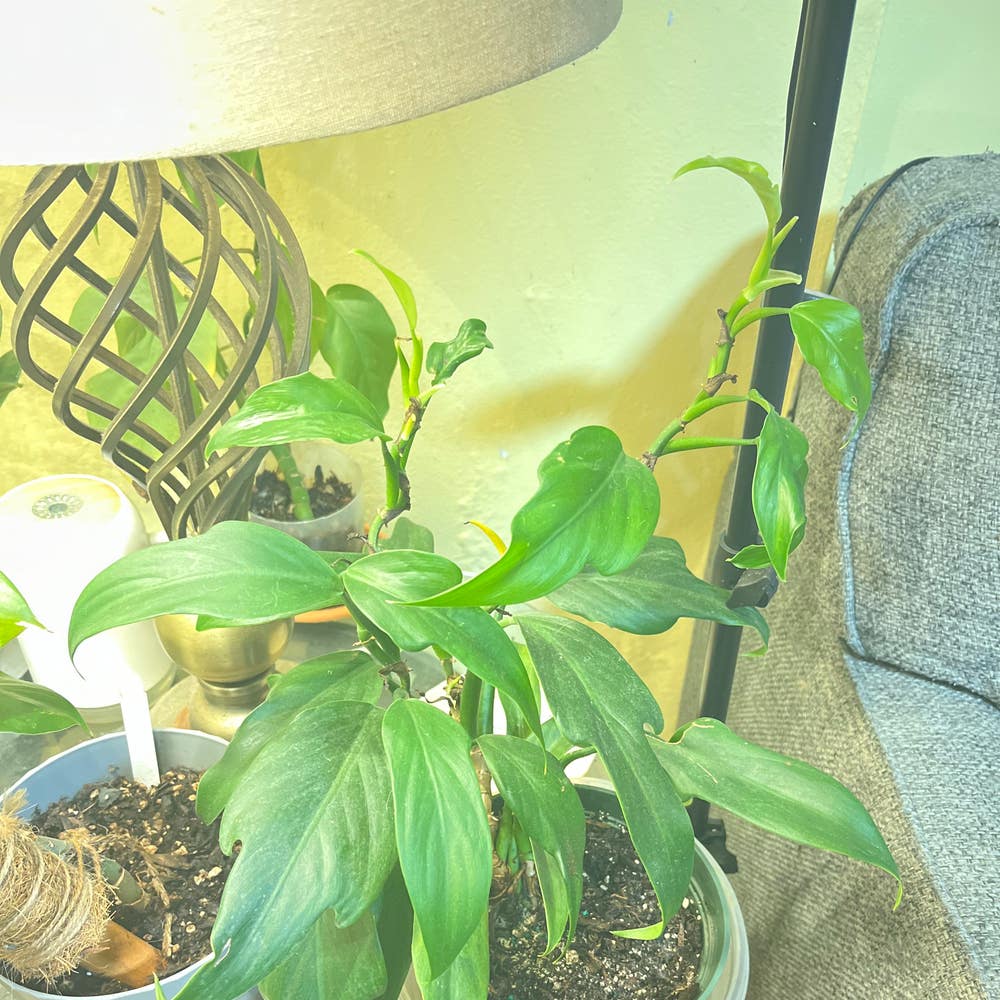
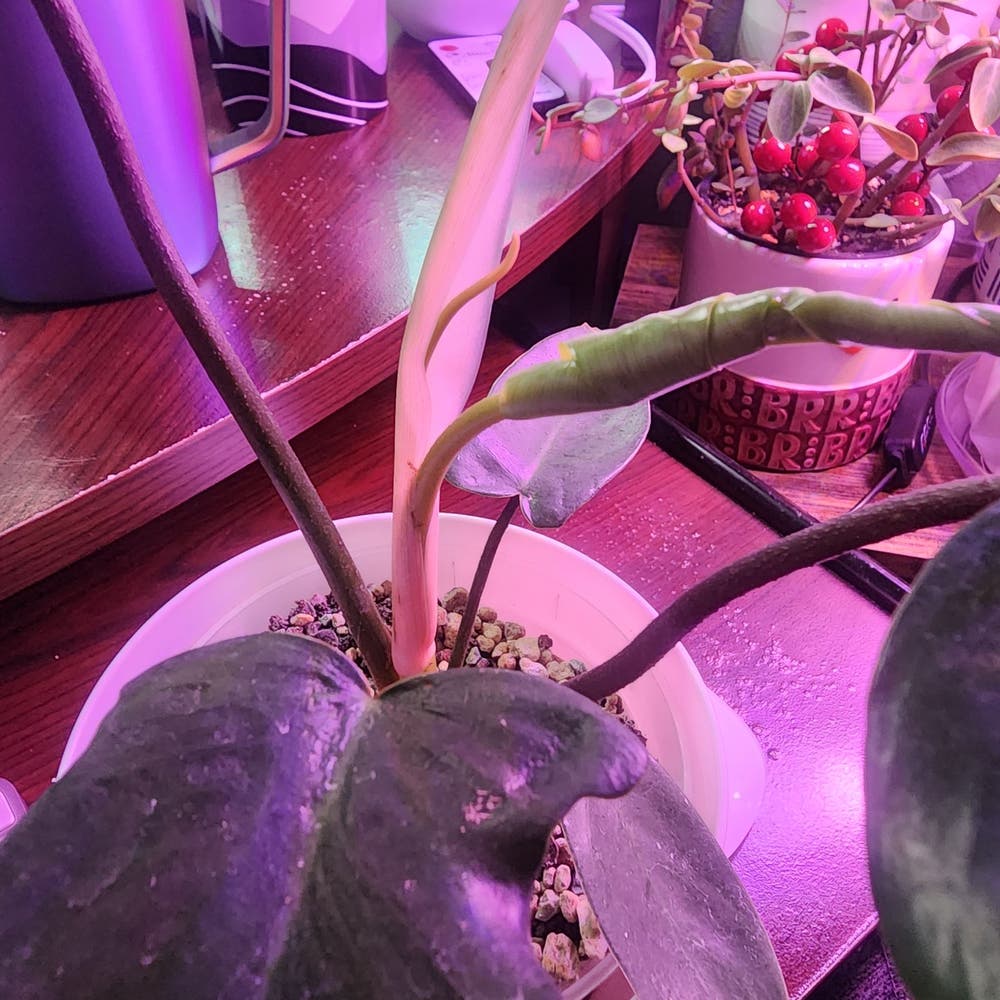
🌱 5 Tips for Healthy Fiddleleaf Philodendron Roots
Philodendron panduriforme
By the Greg Editorial Team
Sep 28, 2024•5 min read
This article was created with the help of AI so we can cover more plants for you. May contain errors. See one? Report it here.
- 🌱 Healthy roots are vital for Fiddleleaf Philodendron's growth and nutrient absorption.
- 💧 Avoid overwatering; yellow leaves signal root distress. Adjust your watering routine!
- 🪴 Use well-draining soil and pots with drainage holes to prevent root rot.
Characteristics of the Root System
Type and Specific Characteristics 🌱
The Fiddleleaf Philodendron boasts a fibrous root system, which is essential for its health and growth. This type of root structure allows for extensive nutrient absorption, making it adaptable to various soil types.
Root Depth, Spread, and Growth Patterns 🌍
Typically, the roots can reach depths of up to 24 inches, providing stability and access to moisture. They can spread 12 to 18 inches wide, allowing the plant to thrive in optimal conditions with rapid growth patterns.
Understanding these characteristics is crucial for ensuring your Fiddleleaf Philodendron remains healthy and vibrant. This knowledge sets the stage for effective watering and fertilizing practices, which we'll explore next.
Watering and Fertilizing
🌱 Impact of Root System on Watering Needs
Understanding your Fiddleleaf Philodendron's root system is crucial for effective watering. The roots thrive best when the top inch of soil dries out between waterings, promoting healthy growth.
Watch for signs of overwatering, such as yellowing leaves and wilting. These indicators suggest that your plant may be drowning, so adjust your watering routine accordingly.
💧 Techniques for Effective Watering
Deep watering is essential for encouraging robust root development. This method allows water to penetrate deeply, reaching the roots where it’s needed most.
Consider using moisture meters for accurate soil readings. These handy tools take the guesswork out of watering, ensuring your plant gets just the right amount of moisture.
🌿 Fertilization Techniques
When it comes to fertilizers, balanced NPK options are ideal for Fiddleleaf Philodendrons. A recommended ratio is 10-10-10, providing a well-rounded nutrient profile.
For those leaning towards organic solutions, compost tea and worm castings are excellent choices. They enrich the soil naturally, promoting healthy root systems.
📅 Fertilization Schedule
Fertilize your plant monthly during the growing season to support its growth. Keep an eye on root health indicators to adjust the frequency as needed.
Healthy roots lead to vibrant foliage, so don’t overlook this crucial aspect of care. Regular fertilization can make a significant difference in your plant's overall vitality.
By mastering the art of watering and fertilizing, you set the stage for a thriving Fiddleleaf Philodendron. Next, let’s explore the best practices for transplanting and repotting to ensure your plant continues to flourish.
Transplanting and Repotting
🌱 Best Practices for Transplanting
Choosing the right pot size is crucial for your Fiddleleaf Philodendron's health. Aim for a pot that is 2 inches larger in diameter than the current one to give those roots room to grow.
Don't overlook the importance of drainage holes. They prevent water from pooling, which can lead to root rot.
🪴 Soil Selection
Opt for a well-draining potting mix to keep your plant thriving. A blend of peat and perlite works wonders, ensuring that moisture is retained without suffocating the roots.
🔍 Recognizing and Addressing Rootbound Conditions
Keep an eye out for visual cues that indicate your plant may be rootbound. If you see roots growing out of the drainage holes or notice stunted growth and yellowing leaves, it’s time to take action.
To alleviate rootbound conditions, follow these steps:
- Gently remove the plant from its pot.
- Trim any circling roots to encourage new growth.
- Repot in a larger container filled with fresh soil.
By following these transplanting and repotting practices, you can help your Fiddleleaf Philodendron flourish. Next, let’s explore the indicators of root health to ensure your plant remains vibrant and strong.
Indicators of Root Health
👀 Visual Cues for Healthy vs. Unhealthy Roots
Healthy roots are a joy to behold. They typically appear white or light tan and have a firm texture, indicating they are thriving.
In contrast, unhealthy roots show distress. Look for brown, mushy, or slimy textures, which signal that your plant may be in trouble.
📊 Other Indicators of Root Health
Overall plant growth is a key indicator of root health. If your Fiddleleaf Philodendron is producing new leaves and displaying vibrant colors, it’s a good sign that the roots are doing well.
On the flip side, pay attention to the leaf condition. Signs of distress, such as wilting or browning edges, can indicate that the roots are struggling and need your attention.
By keeping an eye on these indicators, you can ensure your Fiddleleaf Philodendron remains healthy and vibrant. This awareness will set the stage for understanding the role of the root system in plant resilience, which we’ll explore next.
The Role of the Root System in Plant Resilience
🌱 Understanding Plant Resilience
A healthy root system is the backbone of your Fiddleleaf Philodendron's overall health. It anchors the plant while efficiently absorbing water and nutrients, ensuring robust growth.
⚠️ Stress Factors Affecting Fiddleleaf Philodendron
Fiddleleaf Philodendrons face various stressors that can impact their vitality. Common challenges include drought, pests, and diseases, all of which can weaken the root system and, consequently, the entire plant.
🛠️ Importance of Root Care in Maintaining Resilience
Regular monitoring of your plant's roots is crucial for maintaining resilience. Adjusting care practices based on root health can prevent issues before they escalate.
🌿 Maintaining a Healthy Root System When Propagating or Dividing
When propagating or dividing your Fiddleleaf Philodendron, timing and technique are key. Follow these steps for successful root management:
- Timing: The best time to propagate is in spring when the plant is actively growing.
- Preparing the Plant: Water the day before to hydrate the roots.
- Dividing the Root Ball: Use clean, sharp tools to minimize damage.
- Replanting: Ensure each division has healthy roots and enough space to thrive.
By focusing on these practices, you can enhance your plant's resilience and ensure it flourishes in your care. This attention to root health not only supports growth but also prepares your Fiddleleaf Philodendron to withstand environmental challenges.
⚠️ Safety First
This content is for general information and may contain errors, omissions, or outdated details. It is not medical, veterinary advice, or an endorsement of therapeutic claims.
Always consult a qualified healthcare professional before using any plant as food, medicine, or supplement.
Never eat any plant (or feed one to pets) without confirming its identity with at least two trusted sources.
If you suspect poisoning, call Poison Control (800) 222-1222, the Pet Poison Helpline (800) 213-6680, or your local emergency service immediately.
Spotted an error? Please report it here.
Nurture your Fiddleleaf Philodendron's roots for vibrant growth 🌱 by using Greg's tailored watering reminders and moisture readings to keep your plant thriving!