Propagating My Philodendron panduriforme: Step-by-Step Guide
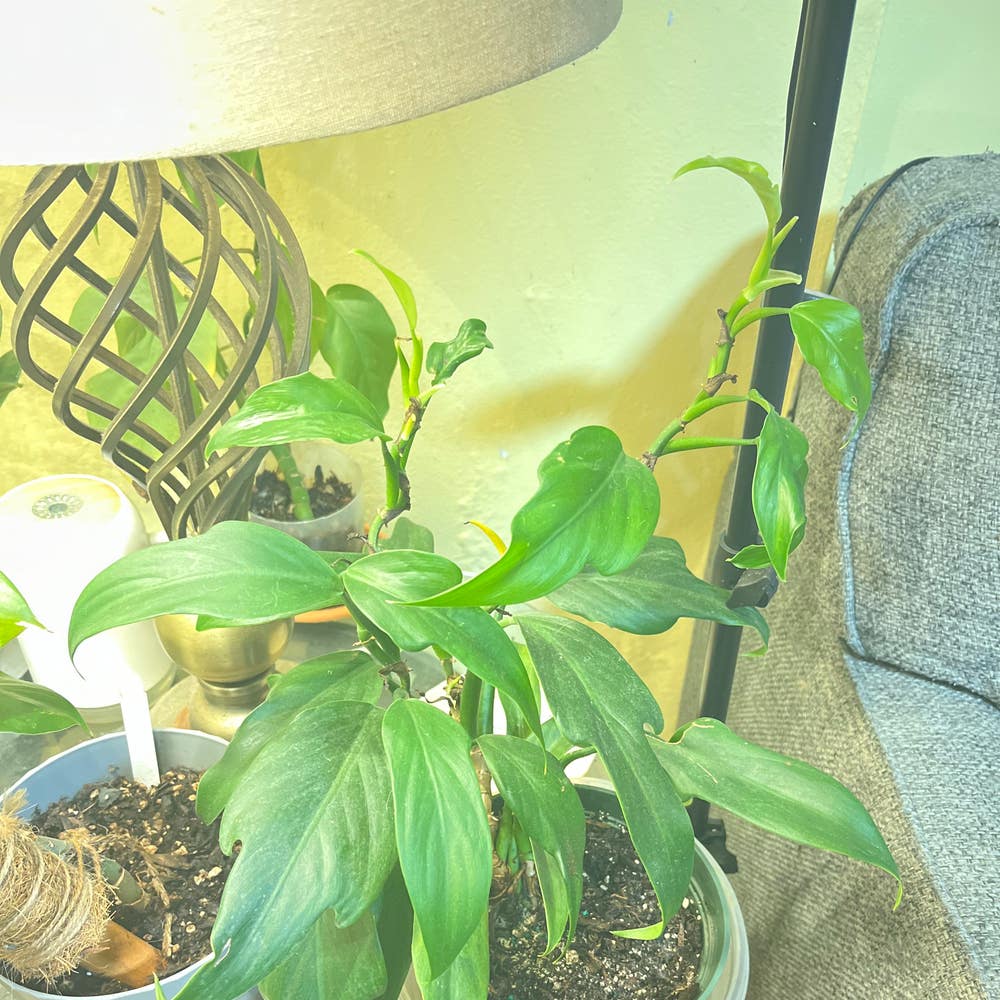
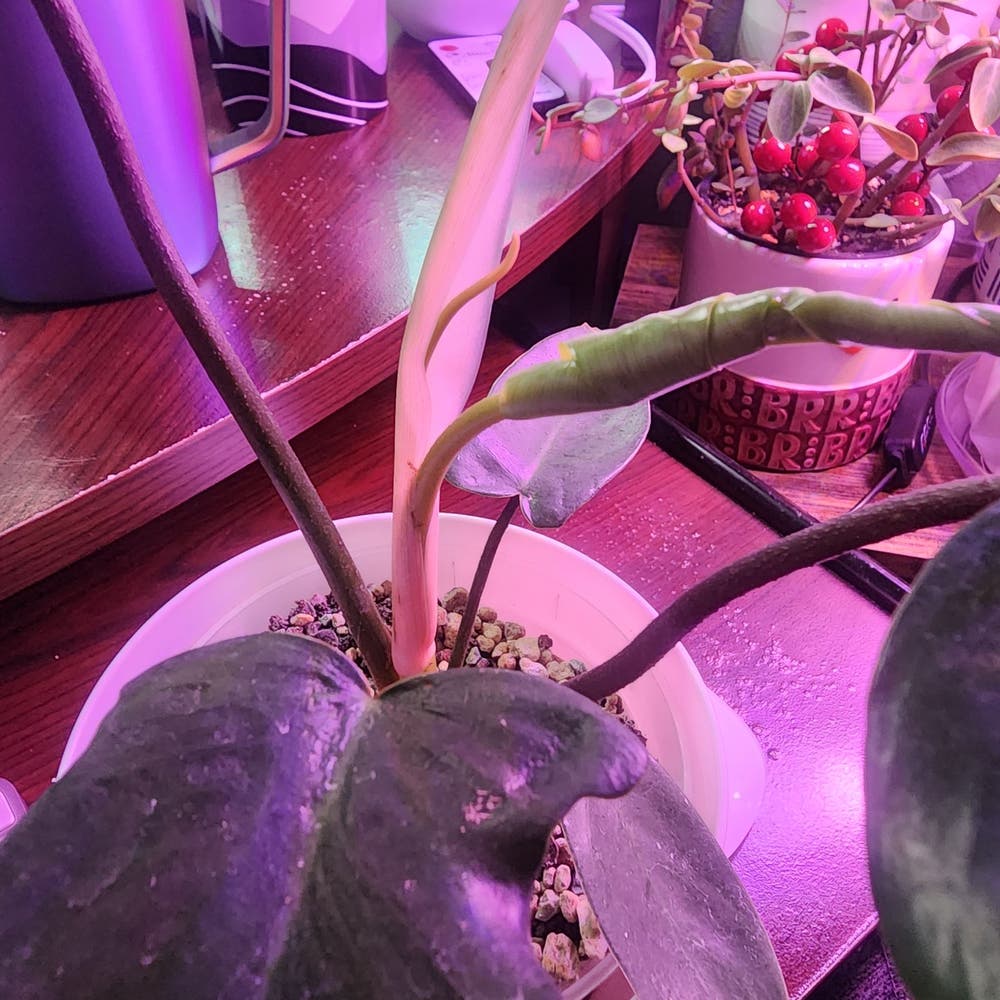
Philodendron panduriforme
By the Greg Editorial Team
Jun 18, 2024•4 min read
This article was created with the help of AI so we can cover more plants for you. May contain errors. See one? Report it here.
- Stem cuttings and aerial roots: Best for Philodendron panduriforme propagation.
- Monitor roots: Look for white roots or resistance when tugging.
- Sterile tools, proper light: Key to healthy propagation and growth.
Preparing for Propagation
🌱 Choosing Your Propagation Method
In the realm of Philodendron panduriforme, stem cuttings reign supreme. It's the gold standard for multiplying these leafy lovelies. But don't overlook aerial roots—nature's own cloning kit, ready to spring into action.
🎯 Selecting and Preparing Your Cutting
Spot the Perfect Candidate
A prime stem or aerial root is like spotting a four-leaf clover—lucky and full of potential. Look for vibrant, healthy segments with at least two leaves and a node where the magic happens.
Making the Cut
Sharp shears or a knife, sterilized to surgical standards, are your tools of choice. Aim just below a node for a 4-6 inch trophy cutting. Strip the lower leaves to avoid the underwater foliage fiasco—rot is not hot.
Water or Soil? That is the Question
For the see-through nursery of water propagation, submerge the node but keep those leaves high and dry. Change the water every few days to keep it fresh. If you're a soil fan, prep your pot with a well-draining mix and plant your cutting with the node buried and leaves basking in indirect sunlight. Keep the soil moist, but not soggy—think of it as a spa day for roots.
Remember, patience is a virtue, and roots take time to strut their stuff. Keep an eye out for those first tender tendrils, and you'll be on your way to a Philodendron panduriforme parade.

Rooting Your Philodendron Cuttings
💧 Water Propagation: The See-Through Nursery
Setting up your water propagation station is straightforward. Grab a glass or jar, fill it with room temperature water, and ensure the nodes of your stem cuttings are submerged.
Indirect light and a stable temperature range of 65-85°F (18-29°C) are key. Change the water every week to prevent stagnation and keep an eye on the root development.
Soil Propagation: Planting the Future
For soil propagation, mix a well-draining potting soil that mimics the Philodendron's natural habitat.
Plant your cuttings with the nodes beneath the soil surface. Moisture is crucial, so keep the soil consistently damp but not waterlogged. Patience is your ally here, as roots take time to establish.

The Waiting Game: Monitoring Root Development
🕵️ Spotting Signs of Success
Roots are the silent heroes of propagation. When using a clear container, a tangle of white roots is your victory flag. No need to guess; visibility is a perk of water propagation. In soil, a gentle tug that meets resistance is your tell-tale sign. Roots should be firm, not mushy—think crisp celery, not overcooked noodles.
🕰️ When to Transplant
Timing is everything. Once roots hit the one to two-inch mark, get ready to move. Transplant to a pot with drainage holes to prevent a soggy demise. Remember, roots like a house party with space to mingle, not a cramped elevator. Keep the soil moist but not waterlogged post-transplant. Warm, slightly dry conditions encourage rooting, but avoid turning your cutting into plant jerky.

Overcoming Propagation Pitfalls
🌱 Common Hiccups in Propagating Philodendron Panduriforme
Root rot is the arch-nemesis of propagation, often due to overzealous watering or inadequate drainage. If your cuttings are more limp than a week-old salad, it's time to reassess your watering habits. Stagnant growth? It could be your cutting throwing shade at the lack of light or warmth. Fungal infections are the silent killers in this drama, flourishing in the damp like uninvited guests at a garden party.
🔧 Quick Fixes for Cuttings That Are Struggling
SOS: Saving Your Propagation
If root rot is knocking at your door, dial back the H2O and ensure your pot's got proper drainage holes. For cuttings playing hide-and-seek with growth, spotlight them with adequate light and cozy temperatures. Spot some creepy crawlies? Show them the door with a spritz of insecticidal soap. And remember, cleanliness is next to godliness—keep those tools sterile to avoid introducing any pathogens to your precious plants.
Root Boosters: The Secret Sauce?
Considering a root booster? It's like a pep talk for your cuttings. But don't rely on it as a magic potion; the basics of care can't be skipped. If you're dealing with a case of the 'no-roots blues,' a little patience and a lot of TLC usually do the trick.
The Waiting Game: Patience Is a Virtue
Finally, remember that propagation is not a race. It's more akin to a slow dance with Mother Nature, and she leads. Keep a watchful eye on your cuttings, but don't hover like a helicopter parent. Give them time to flourish on their terms, and you'll be rewarded with a verdant victory.
⚠️ Safety First
This content is for general information and may contain errors, omissions, or outdated details. It is not medical, veterinary advice, or an endorsement of therapeutic claims.
Always consult a qualified healthcare professional before using any plant as food, medicine, or supplement.
Never eat any plant (or feed one to pets) without confirming its identity with at least two trusted sources.
If you suspect poisoning, call Poison Control (800) 222-1222, the Pet Poison Helpline (800) 213-6680, or your local emergency service immediately.
Spotted an error? Please report it here.
Propagate your Philodendron panduriforme effortlessly 🌱 with Greg's custom care reminders and expert community advice for perfect cuttings every time.