Fiddleleaf Philodendron: Not an Invasive Plant
Philodendron panduriforme
By the Greg Editorial Team
Sep 28, 2024•6 min read
This article was created with the help of AI so we can cover more plants for you. May contain errors. See one? Report it here.
- 🌱 Fiddleleaf Philodendron is non-invasive, enhancing biodiversity without outcompeting local plants.
- 🌿 Optimal growth requires bright, indirect light and well-draining soil for best results.
- 🌍 Supports ecosystems by providing habitat and improving soil health in gardens.
Plant Classification
Definition of Invasive Plants 🌱
Invasive plants are species that spread aggressively outside their native range. They often outcompete local flora, disrupting ecosystems and harming biodiversity.
Characteristics of Fiddleleaf Philodendron 🌿
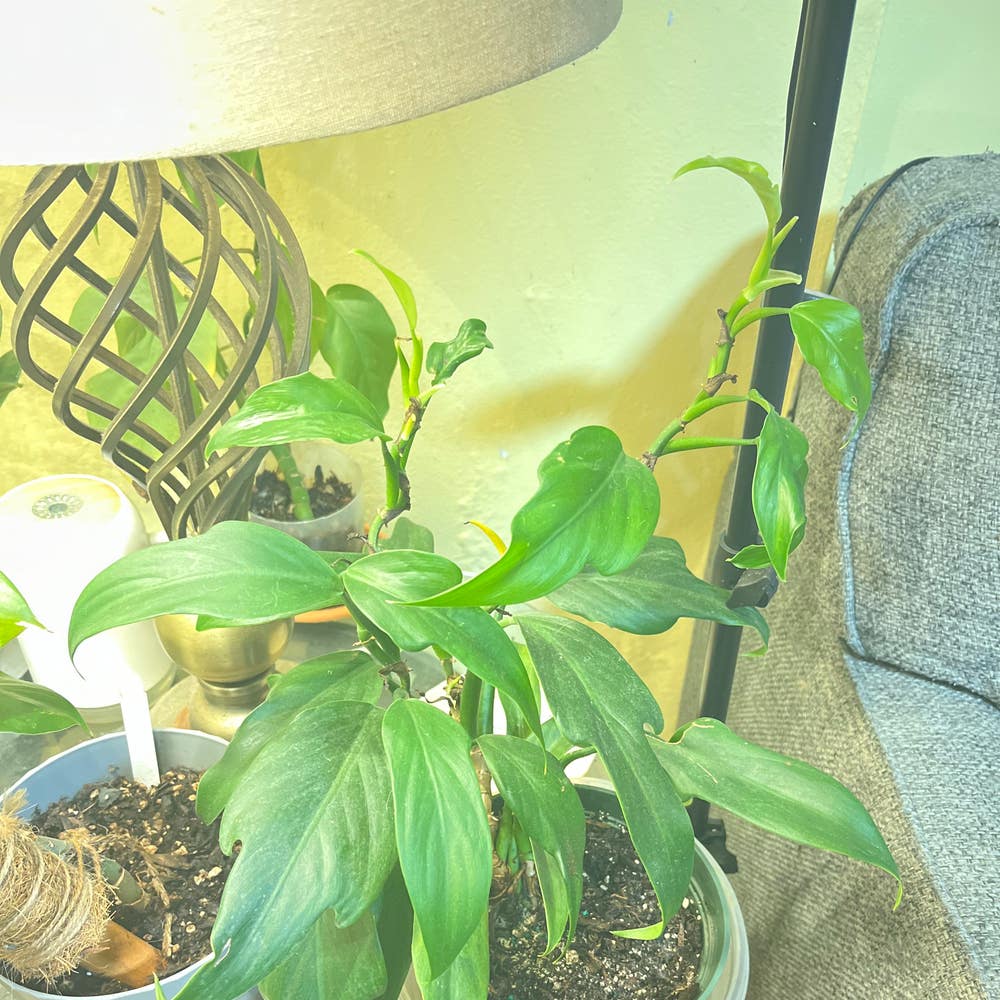
The Fiddleleaf Philodendron grows as a shrub or small tree, typically reaching heights of 6-10 feet in optimal conditions. Its large, glossy leaves not only provide aesthetic appeal but also contribute to its popularity among gardeners.
Explanation of Non-Invasive Status 🚫
Unlike invasive species, the Fiddleleaf Philodendron does not spread aggressively or outcompete native flora. Its growth is limited by environmental conditions, making it a manageable and beneficial addition to gardens.
This plant thrives in well-draining soil and bright, indirect light, ensuring it remains a delightful feature without overwhelming its surroundings. As we explore its growth habits next, you'll see how its moderate growth patterns further support its non-invasive status.
Growth Habits
🌱 Typical Growth Patterns in Gardens
Fiddleleaf Philodendron exhibits a moderate growth rate, primarily focusing on vertical development. This plant's new leaves emerge from the center, creating a lush, bushy appearance that adds vibrancy to any garden.
🌿 Natural Limits to Growth and Spread Potential
This species thrives in well-draining soil and bright, indirect light, which are crucial for its health. However, it is not known to spread aggressively; its growth is naturally limited by available resources and space.
🌡️ Environmental Conditions for Optimal Growth
For optimal growth, Fiddleleaf Philodendron prefers a temperature range of 65°F to 80°F (18°C to 27°C).
Humidity Preferences
It thrives in moderate to high humidity levels, making it ideal for tropical garden settings.
Watering Needs
Regular watering is essential, but it's important to allow the top inch of soil to dry out between waterings. This balance helps prevent overwatering, which can lead to root rot.
Understanding these growth habits will help you create a thriving environment for your Fiddleleaf Philodendron. Next, let’s explore its ecological role in garden ecosystems.
Ecological Role
Benefits in Garden Ecosystems 🌱
Fiddleleaf Philodendron plays a vital role in enhancing biodiversity. Its lush foliage provides habitat and food sources for various organisms, creating a thriving micro-ecosystem.
Additionally, the plant contributes to soil health through the decomposition of its leaf litter. This process enriches the soil, promoting a healthier garden environment.
Positive Interactions with Local Wildlife 🦋
This plant is a magnet for beneficial insects, particularly pollinators. By attracting these creatures, it fosters a balanced ecosystem that supports plant reproduction.
Moreover, Fiddleleaf Philodendron offers shelter for small wildlife. This creates a safe haven, encouraging a diverse range of species to thrive in your garden.
Contribution to Biodiversity 🌍
Fiddleleaf Philodendron supports a rich tapestry of plant and animal life. Its presence in garden settings enhances overall biodiversity, making it a valuable addition.
As a companion plant, it can boost the growth of nearby flora. This symbiotic relationship further enriches the garden, promoting a vibrant and interconnected ecosystem.
Incorporating Fiddleleaf Philodendron into your garden not only beautifies the space but also nurtures the environment. Its ecological benefits make it a fantastic choice for any garden enthusiast.
Garden Management
Incorporating Fiddleleaf Philodendron into Garden Designs 🌿
Fiddleleaf Philodendron thrives in tropical or subtropical garden themes. Its lush foliage can be a stunning centerpiece, making it perfect for creating vibrant, green spaces.
Planting these beauties in clusters enhances their visual impact. Grouping them together not only creates a striking display but also mimics their natural habitat, promoting a cohesive garden aesthetic.
Aesthetic Considerations for Placement 🎨
The large, glossy leaves of the Fiddleleaf Philodendron serve as a captivating focal point in any garden design. Their rich green color adds depth and vibrancy, making them a favorite among garden enthusiasts.
For a layered look, consider combining them with shorter plants. This height variation not only adds interest but also allows the Philodendron to shine as a standout feature.
Growth Control Methods and Maintenance Tips ✂️
Regular pruning is essential to maintain the desired shape and size of your Fiddleleaf Philodendron. This practice encourages bushier growth and keeps the plant looking its best.
During the growing season, use a balanced fertilizer to ensure optimal health. Additionally, keep an eye out for pests and diseases to maintain plant vitality and a thriving garden.
Incorporating Fiddleleaf Philodendron into your garden design not only enhances its beauty but also promotes a healthy ecosystem. With the right care, these plants can flourish, adding both aesthetic appeal and ecological benefits to your outdoor space.
Comparison to Other Plants
🌱 Similar Non-Invasive Plants
When considering non-invasive tropical plants, the Fiddleleaf Philodendron stands out alongside others like Monstera and ZZ plant. While all three are beloved for their lush foliage, they differ in growth habits and care requirements.
Monstera, for instance, tends to spread more horizontally with its unique fenestrated leaves, while ZZ plants are known for their resilience in low-light conditions. In contrast, the Fiddleleaf Philodendron grows vertically, making it an excellent choice for adding height to your garden.
🌟 Unique Qualities of Fiddleleaf Philodendron
The Fiddleleaf Philodendron boasts distinctive large, glossy leaves that can reach impressive sizes, setting it apart from its counterparts. This striking leaf shape not only enhances its aesthetic appeal but also makes it a versatile option for both indoor and outdoor gardening.
Whether you're looking to create a tropical vibe indoors or add a statement piece to your outdoor space, the Fiddleleaf Philodendron fits the bill perfectly.
🌿 Benefits Over Other Species in Garden Settings
One of the standout benefits of the Fiddleleaf Philodendron is its aesthetic versatility. Its bold foliage can complement various garden designs, from modern to tropical themes.
Additionally, this plant requires less maintenance compared to some invasive species, making it a practical choice for gardeners. With its manageable growth and stunning appearance, the Fiddleleaf Philodendron is a fantastic addition to any garden setting.
As we explore further, let’s dive into the legal and environmental considerations surrounding the Fiddleleaf Philodendron and its role in sustainable gardening practices.
Legal and Environmental Considerations
📜 Relevant Classifications and Guidelines
When considering the Fiddleleaf Philodendron for your garden, it's essential to check local regulations. Some areas may have specific guidelines regarding the planting of non-native species to protect local ecosystems.
Sourcing your Fiddleleaf Philodendron from reputable nurseries is crucial. This practice helps ensure you’re not inadvertently introducing invasive species into your garden.
🌱 Sustainable Gardening Practices
Integrating Fiddleleaf Philodendron into sustainable garden designs can be a game-changer. This plant not only enhances aesthetics but also supports ecological balance.
Using non-invasive plants like the Fiddleleaf Philodendron contributes to a healthier environment. They coexist harmoniously with local flora and fauna, promoting biodiversity.
🌍 Environmental Impact of Fiddleleaf Philodendron
The Fiddleleaf Philodendron positively impacts local ecosystems. Its presence can enhance soil health and provide shelter for various organisms.
With minimal risk of becoming invasive, this plant supports biodiversity in garden settings. It’s a responsible choice for gardeners looking to make a positive environmental impact.
As you consider your gardening options, remember the importance of choosing plants that contribute to a thriving ecosystem. Next, we’ll explore how to effectively incorporate the Fiddleleaf Philodendron into your garden design.
⚠️ Safety First
This content is for general information and may contain errors, omissions, or outdated details. It is not medical, veterinary advice, or an endorsement of therapeutic claims.
Always consult a qualified healthcare professional before using any plant as food, medicine, or supplement.
Never eat any plant (or feed one to pets) without confirming its identity with at least two trusted sources.
If you suspect poisoning, call Poison Control (800) 222-1222, the Pet Poison Helpline (800) 213-6680, or your local emergency service immediately.
Spotted an error? Please report it here.
Elevate your garden with the stunning, non-invasive Fiddleleaf Philodendron 🌿, and let Greg guide you with tailored care tips and watering reminders to help your plant flourish!