Why Are My Philodendron panduriforme Leaves Droopy?
Philodendron panduriforme
By the Greg Editorial Team
Jun 18, 2024•4 min read
This article was created with the help of AI so we can cover more plants for you. May contain errors. See one? Report it here.
- Persistent droopiness needs attention, look for yellowing or black spots.
- 🌱 Balance water and light; over/underwatering and incorrect lighting harm the plant.
- Proper pot and soil are key; ensure drainage and repot if necessary.
Spotting the Signs of Distress
🌿 Identifying Droopy Leaves
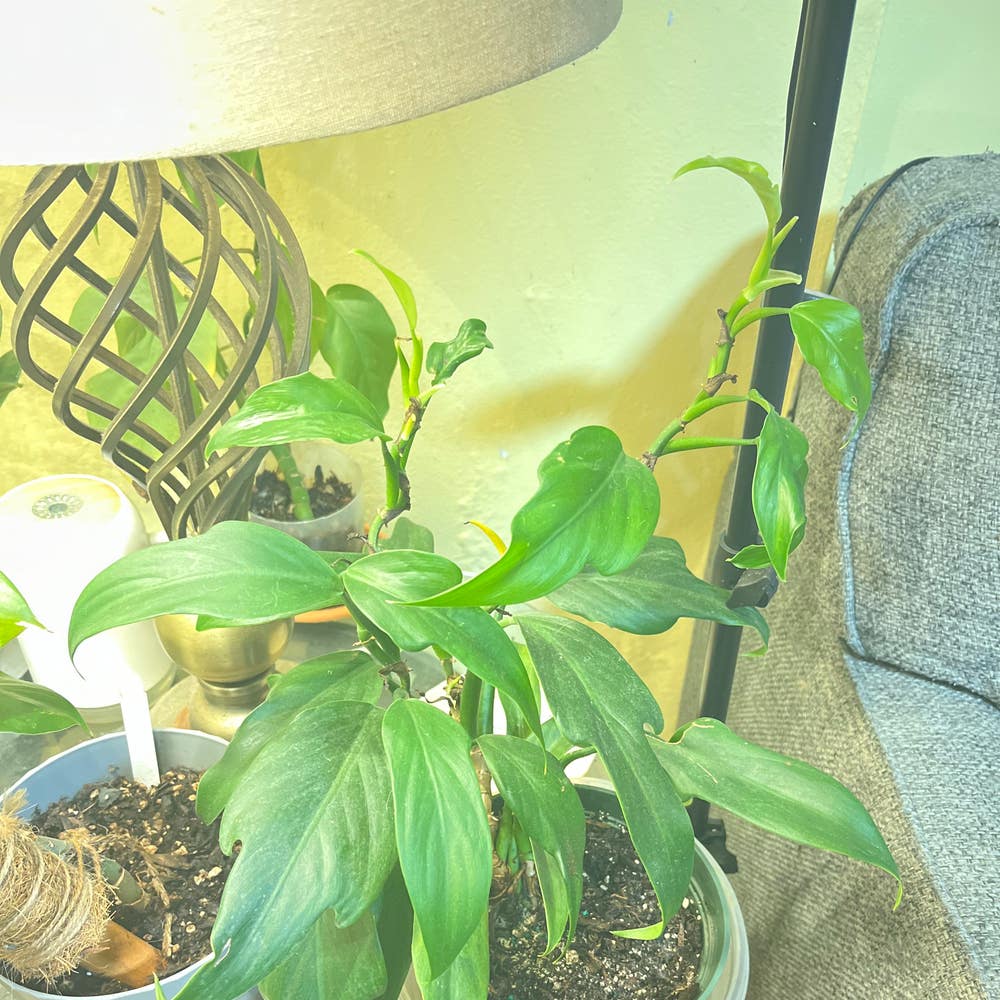
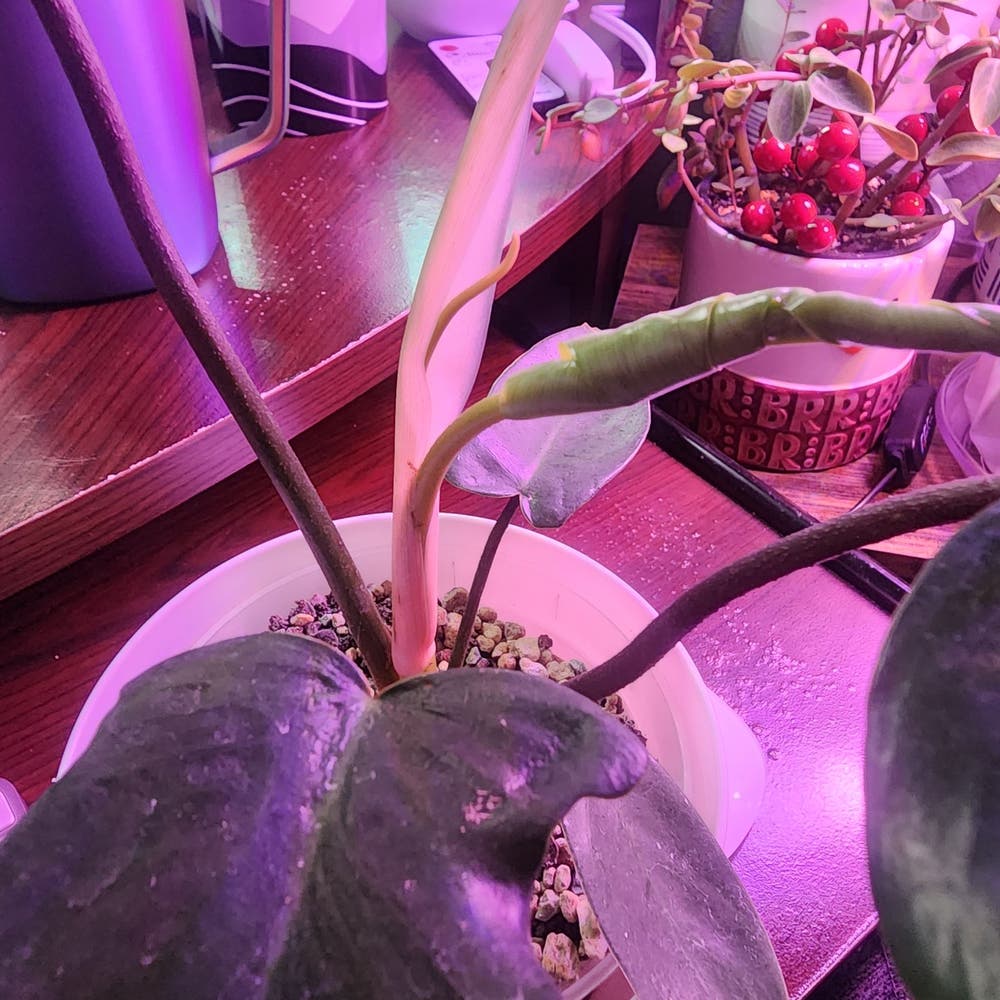
Philodendron panduriforme leaves should exhibit a confident posture; if they're drooping, it's a sign they're not happy. Look for leaves that sag or have lost their usual rigidity. Yellowing or black spots can also indicate that your plant is in distress, potentially from watering issues or disease.
🚨 When to Worry
Not all droops are a crisis. Philodendron panduriforme might display a natural lean towards light sources, which is normal. However, if you notice leaves that are persistently limp, akin to a neglected house salad, it's time to take action. Persistent droopiness, especially when accompanied by other symptoms like leaf discoloration or a sudden drop, is a red flag.

Getting to the Root of the Problem
💧 Overwatering vs. Underwatering
Overwatering is like the plant world's version of overindulgence. Your Philodendron panduriforme's roots can literally drown if they're swimming in too much H2O. Underwatering, on the flip side, leaves your plant parched and gasping for a drink. Check the soil's top inch; if it's Sahara-dry, it's time to water. If it's swampy, ease up on the aqua.
🌞 Light Exposure
Light is to plants what coffee is to humans—a daily essential. Too little and your Philodendron panduriforme slumps in protest. Too much and it's like a sunburn at a beach party—painful. Aim for bright, indirect light. Watch for signs of too much sun, like bleached or crispy leaves, or too little, like leggy stems reaching for a light source.
Pot and Soil Check
The right pot is a Philodendron's best friend. Too big and the soil stays wet longer than a rainy season in the tropics. Too small and your plant's roots are cramped like sardines. Ensure your pot has drainage holes. The soil should be a mix that drains well—think more "loose and airy" than "dense and clumpy."

Turning the Tide on Droopiness
💧 Adjusting Your Watering Technique
Watering is crucial. Start by feeling the top inch of soil; if it's dry, water your Philodendron panduriforme. If it's damp, wait. Use room-temperature water to avoid shocking the plant's roots. Remember, consistency is key—adjust your watering to the plant's needs, which can vary with the seasons.
🌞 Light and Location Fixes
Light is non-negotiable. Your Philodendron panduriforme craves bright, indirect sunlight. Too much direct sun can scorch leaves, while too little can weaken the plant. Find that perfect spot where the light is just right, and watch your plant perk up.
🌱 The Repotting Option
Repotting can be a fresh start. Choose a pot with drainage holes and a size slightly larger than the current one. Use a well-draining potting mix, and be gentle when transferring your plant. Trim any damaged roots, and water moderately after repotting. Keep it out of direct sunlight while it settles into its new home.

Keeping Your Philodendron Perky
💦 The Right Humidity
Philodendron panduriforme thrives in humidity akin to its tropical origins. Striking the right moisture balance in the air is crucial. 40-60% humidity is the sweet spot, preventing the leaves from becoming droopy or developing the dreaded curl. To maintain this, use a humidifier or place your plant on a pebble tray with water. But beware, too much humidity can turn your plant haven into a fungal nightmare.
👀 Ongoing Vigilance
Consistent care is key. Monitor the soil with your fingers or a moisture meter to ensure it's not too wet or dry. Keep an eye out for pests and any changes in leaf color or texture. Rotate your Philodendron for even light exposure and wipe down the leaves to keep them dust-free and spot any unwelcome visitors. Remember, your plant's health is a reflection of your attention to detail.
⚠️ Safety First
This content is for general information and may contain errors, omissions, or outdated details. It is not medical, veterinary advice, or an endorsement of therapeutic claims.
Always consult a qualified healthcare professional before using any plant as food, medicine, or supplement.
Never eat any plant (or feed one to pets) without confirming its identity with at least two trusted sources.
If you suspect poisoning, call Poison Control (800) 222-1222, the Pet Poison Helpline (800) 213-6680, or your local emergency service immediately.
Spotted an error? Please report it here.
Ensure your Philodendron panduriforme goes from droopy to thriving 🌿 with Greg's tailored care reminders and optimal light-spotting features!