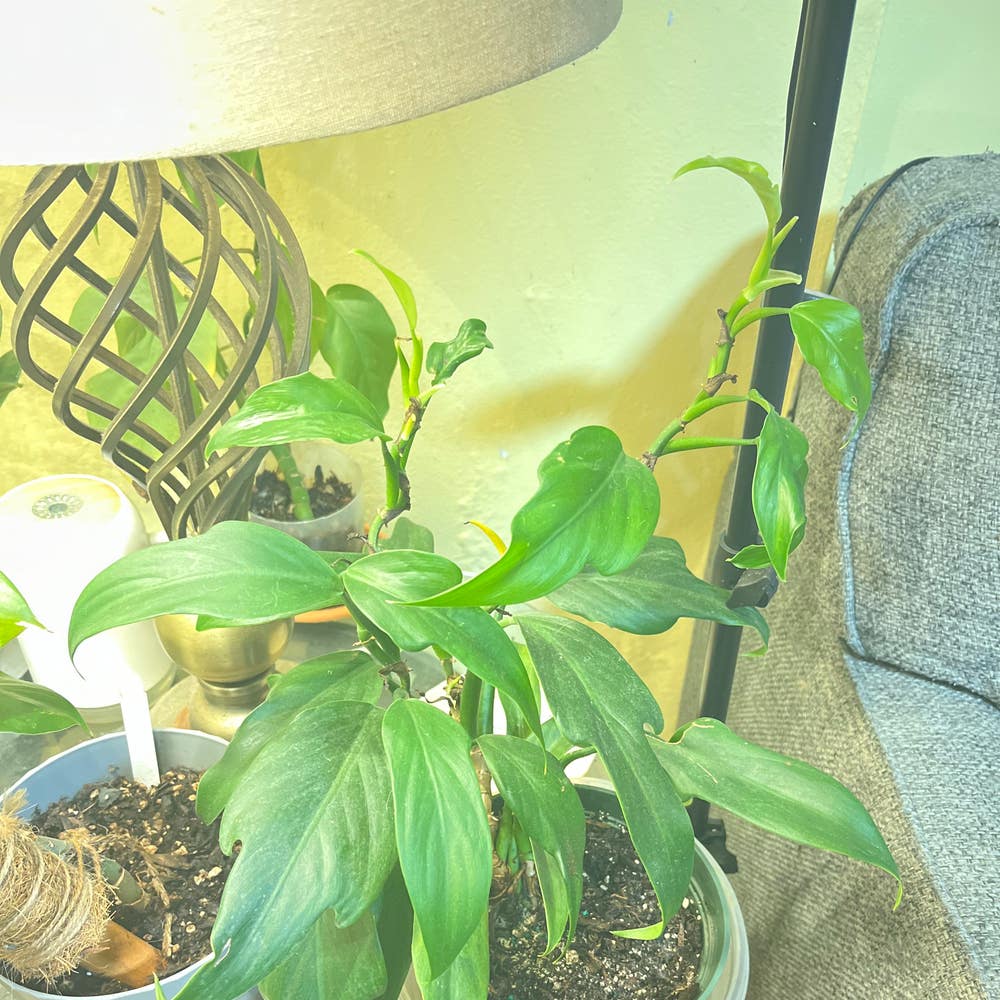
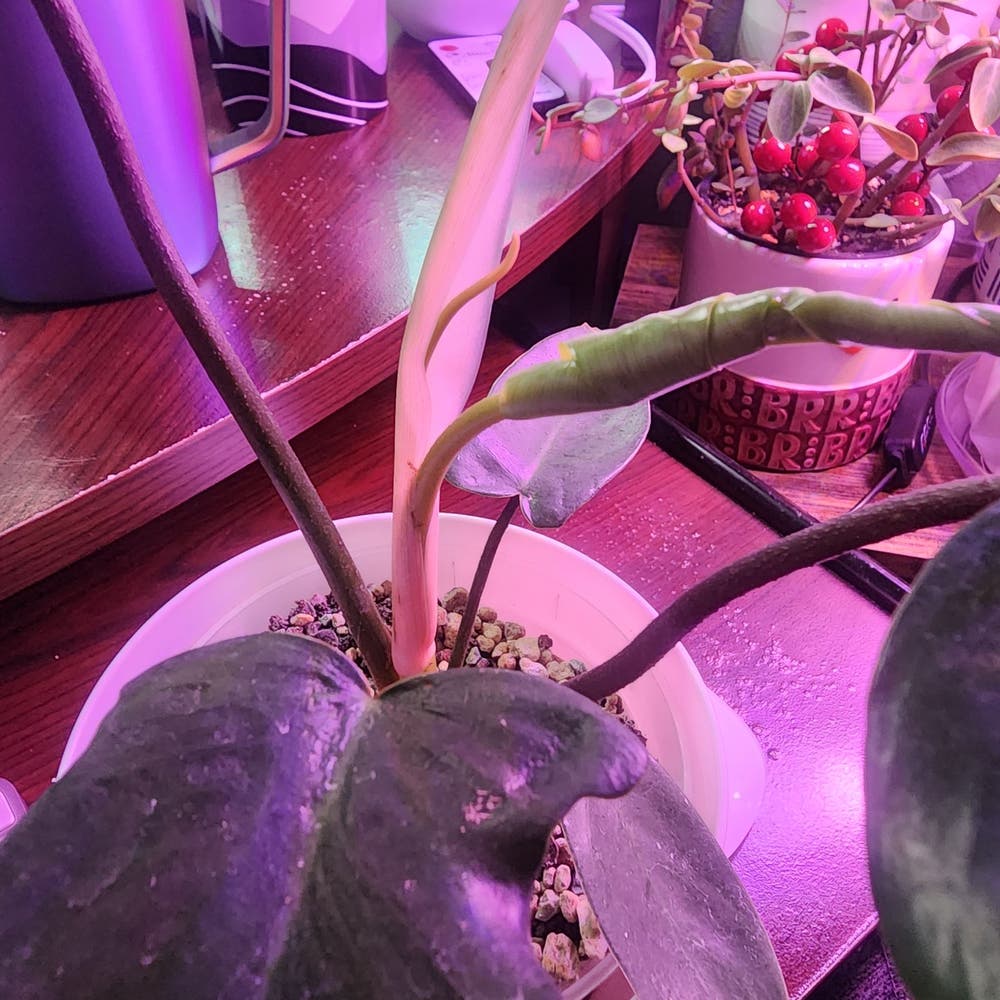
Why Are There Brown Spots on My Philodendron panduriforme?
Philodendron panduriforme
By the Greg Editorial Team
Jun 18, 2024•3 min read
This article was created with the help of AI so we can cover more plants for you. May contain errors. See one? Report it here.
- Overwatering and underwatering both cause brown spots on Philodendron leaves.
- Humidity and light balance are crucial to prevent brown spots.
- Consistent care and proper drainage promote spot-free Philodendron health.
Spotting the Culprits: Direct Causes of Brown Spots
💦 Overwatering Woes
Overwatering can turn your Philodendron panduriforme's life into a soggy, brown-spotted mess. The leaves are the first to protest, with spots that scream "Help, I'm drowning!"
🏜️ Thirsty Plant Problems
Conversely, underwatering leaves your Philodendron gasping for moisture. Brown spots then become the plant's parched cry for water.
💧 Craving More Humidity
Your Philodendron might be craving a tropical vacation. Low humidity can lead to brown spots, a sign it's not feeling the moisture love.
🌞 Light: Finding the Sweet Spot
Light levels are a game of Goldilocks. Too much sun and your Philodendron gets scorched; too little and it fades into the background, brown spots and all.

First Aid for Your Philodendron
💧 Watering Wisdom
When your Philodendron panduriforme starts sporting brown spots, it's time for some hydration regulation. Overzealous watering can lead to a soggy situation, while a parched plant is just as problematic.
- Check the soil moisture with your finger before reaching for the watering can. If the top inch feels like a damp sponge, skip the waterworks.
- Water at the base of the plant to avoid leaf-fungal parties and ensure the pot has drainage holes to prevent your Philodendron's roots from taking a permanent bath.
🌿 Boosting Humidity
Philodendrons are not fans of the desert life. They prefer a tropical vibe, and brown spots can be a cry for more moisture in the air.
- Use a pebble tray or a humidifier to up the humidity ante. Aim for that 40-60% sweet spot, where the air feels like a gentle, misty morning rather than a sauna session.
- Keep a hygrometer handy to monitor levels and adjust your humidity hacks accordingly. Your Philodendron will thank you with spotless leaves.
☀️ Lighting the Way
Light is like the Philodendron's coffee—it needs the right amount to thrive, but too much, and it's a jittery mess with brown blotches.
- Bright, indirect light is your Philodendron's best friend. It's the equivalent of a cozy spot by the window with a sheer curtain filtering the harsh sun.
- If your plant's leaves could talk, they'd tell you direct sunlight is their nemesis. Move them away from the sun's direct glare to prevent those unsightly brown spots from crashing the leafy party.

Turning Over a New Leaf: Prevention Strategies
🚰 Drainage Done Right
Proper drainage is non-negotiable for your Philodendron panduriforme. Without it, you're setting the stage for root rot and those dreaded brown spots. Ensure your pots have adequate drainage holes. If they don't, it's time for an upgrade. Consider mixing perlite or coarse sand into your soil to boost drainage efficiency. This simple step can be the difference between a thriving plant and a browning, withering one.
🔄 Consistency is Key
Routine care for your Philodendron panduriforme is like a well-oiled machine; it runs smoothly and prevents breakdowns. Water only when the top inch of soil is dry, and do so evenly at the base to avoid leaf wetness. Adjust your watering schedule with the seasons, less in the cooler months. Regularly check for pests, and feed your plant a balanced diet, but don't overdo it. Consistency in care doesn't just prevent brown spots; it promotes overall plant vigor and resilience.

⚠️ Safety First
This content is for general information and may contain errors, omissions, or outdated details. It is not medical, veterinary advice, or an endorsement of therapeutic claims.
Always consult a qualified healthcare professional before using any plant as food, medicine, or supplement.
Never eat any plant (or feed one to pets) without confirming its identity with at least two trusted sources.
If you suspect poisoning, call Poison Control (800) 222-1222, the Pet Poison Helpline (800) 213-6680, or your local emergency service immediately.
Spotted an error? Please report it here.
Banish brown spots on your Philodendron with Greg's custom reminders 💧, ensuring perfect watering and light every time!