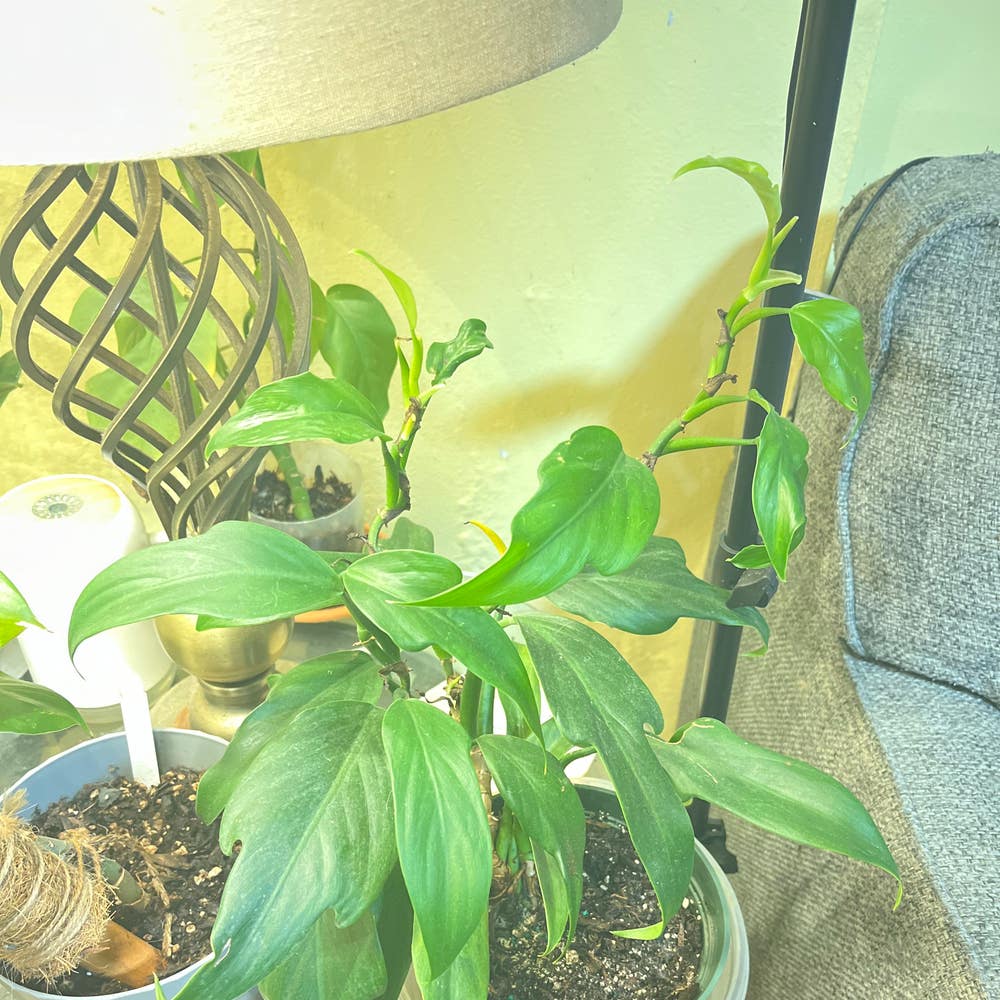
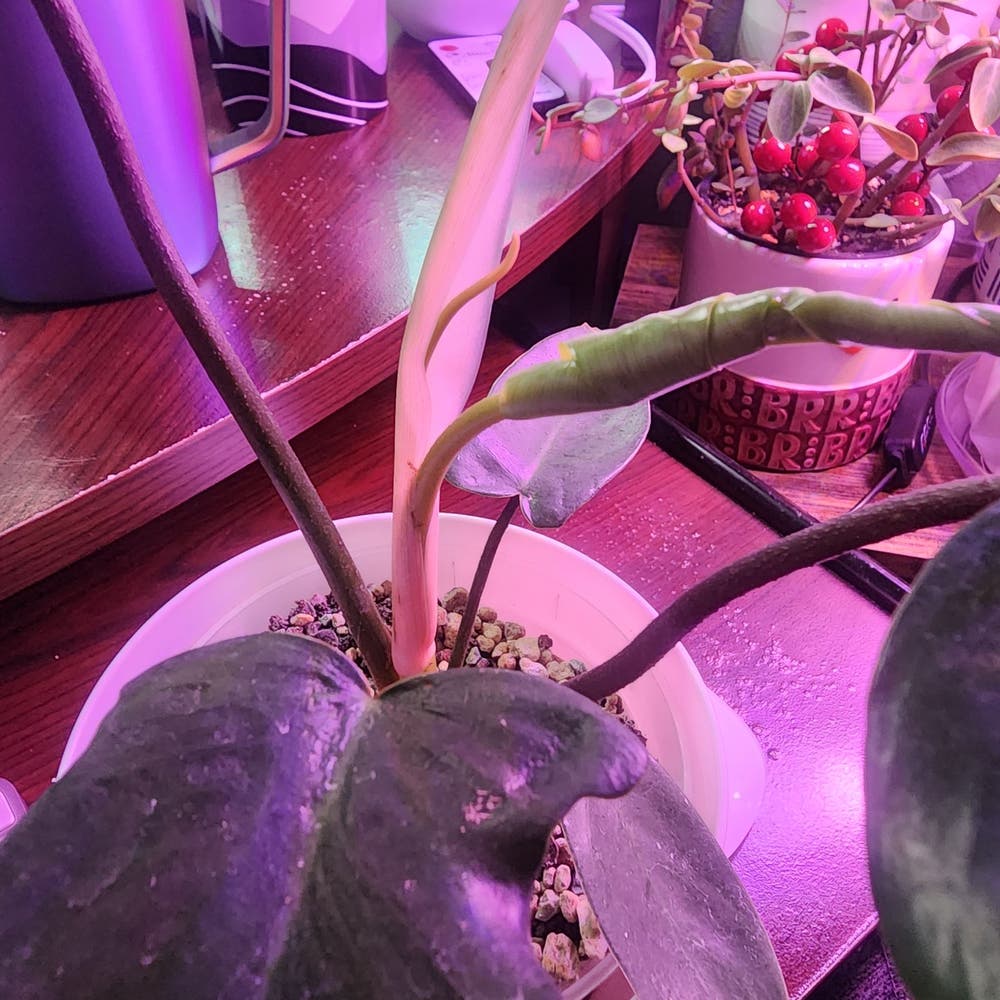
9 Essential Outdoor Fiddleleaf Philodendron Care Routines 💧
Philodendron panduriforme
By the Greg Editorial Team
Sep 28, 2024•7 min read
This article was created with the help of AI so we can cover more plants for you. May contain errors. See one? Report it here.
- 🌞 Fiddleleaf Philodendrons need 6-8 hours of bright, indirect sunlight daily for optimal growth.
- 💧 Water when the top 1-2 inches of soil are dry; avoid overwatering to prevent root rot.
- 🌱 Seasonal care routines are essential for maintaining health and vibrancy year-round.
Sunlight Requirements
Ideal Conditions 🌞
Fiddleleaf Philodendrons thrive in bright, indirect sunlight. Aim for 6-8 hours of filtered sunlight daily to keep your plant happy and healthy.
Signs of Insufficient Light 🚨
If your plant is dropping lower leaves or showing yellowing, it’s a clear sign of insufficient light. Stunted growth patterns can also indicate that your fiddleleaf isn’t getting enough sun.
Adjusting Light Exposure 🛠️
To protect your plant from harsh sunlight, consider using a shade cloth during peak hours. If necessary, relocating your fiddleleaf to a brighter spot can make a world of difference in its health.
By ensuring your fiddleleaf receives the right amount of sunlight, you set the stage for vibrant growth and lush foliage. Next, let’s dive into the watering needs and frequency to keep your plant thriving.
Watering Needs and Frequency
General Guidelines 🌱
To keep your fiddleleaf philodendron thriving, check the soil moisture regularly. Water the plant when the top 1-2 inches of soil feel dry, typically every 1-2 weeks, depending on the weather.
Signs of Overwatering vs. Underwatering 🚰
Be vigilant about the signs your plant gives you. Overwatering can lead to yellowing leaves and root rot, while underwatering results in wilting leaves and dry soil.
Watering Techniques 💧
Employ deep watering techniques to ensure moisture reaches the root zone effectively. Consider using self-watering containers for consistent moisture levels, making your care routine even easier.
With proper watering habits, your fiddleleaf philodendron will flourish, setting the stage for the next essential care routine: understanding soil preferences and amendments.
Soil Preferences and Amendments
Ideal Composition 🌱
Fiddleleaf Philodendrons thrive in a well-draining potting mix. A blend of peat, perlite, and compost creates the perfect environment for healthy root development.
Maintaining a slightly acidic to neutral pH level, ideally between 6.0 to 7.0, is crucial. This balance supports nutrient availability and overall plant health.
Amendments 🌿
To enhance soil fertility and drainage, consider adding organic matter. Ingredients like compost or well-rotted manure can significantly boost nutrient content.
Mulching is another effective strategy. It helps retain moisture and suppress weeds, ensuring your plant has the best chance to flourish.
With the right soil composition and amendments, your Fiddleleaf Philodendron will be set for success. Next, let’s explore the fertilization schedule and types that will keep your plant thriving.
Fertilization Schedule and Types
Frequency 🌱
Fertilizing your fiddleleaf philodendron is crucial for vibrant growth. During the growing season—spring and summer—aim to fertilize monthly to provide essential nutrients.
As the seasons shift to fall and winter, reduce the frequency. This allows the plant to rest and conserve energy during its dormant phase.
Types 🌿
When selecting fertilizer, a balanced NPK option, like a 10-10-10 ratio, works wonders. This ensures your plant receives equal parts nitrogen, phosphorus, and potassium for overall health.
For those leaning towards organic methods, consider fish emulsion or compost tea. These options enrich the soil naturally and promote a thriving ecosystem around your plant.
Application Techniques 🧑🌾
Proper application is key to effective fertilization. Always dilute your fertilizer according to package instructions to avoid overwhelming your plant.
Ensure even distribution of the fertilizer around the root zone. This helps the plant absorb nutrients efficiently, leading to lush, healthy growth.
With the right fertilization routine, your fiddleleaf philodendron will flourish, setting the stage for the next essential care routine: planting options.
Planting Options
🌱 Container Planting
Benefits
Container planting offers remarkable mobility. You can easily shift your fiddleleaf philodendron to find the perfect light or protect it from harsh weather.
Another advantage is the control over soil quality. You can customize your potting mix, ensuring it meets the plant's specific needs.
Drawbacks
However, container planting comes with some limitations. The limited root space can restrict growth, making it essential to choose an appropriately sized pot.
Additionally, containers tend to dry out faster, leading to an increased watering frequency. You'll need to stay vigilant to keep your plant hydrated.
🌍 Ground Planting
Benefits
Ground planting allows for more space for root growth. This can lead to larger, healthier plants that thrive in their natural environment.
Another perk is natural moisture retention. The ground can help maintain consistent moisture levels, reducing the frequency of watering.
Drawbacks
On the flip side, ground planting offers less control over soil conditions. You may need to amend the soil to ensure it’s suitable for your fiddleleaf philodendron.
Moreover, plants in the ground are more vulnerable to pests and diseases. They face greater exposure to outdoor elements, so regular monitoring is crucial.
As you consider your planting options, weigh the benefits and drawbacks carefully. This will help you create the ideal environment for your fiddleleaf philodendron to flourish. Next, let’s explore how to protect your plant from weather extremes.
Weather Protection
Protecting from Extreme Heat ☀️
Fiddleleaf Philodendrons thrive best when shielded from harsh sunlight. Using shade cloth can effectively reduce direct exposure, helping to prevent leaf scorch.
Regular watering is crucial during hot spells. Keeping the soil consistently moist ensures your plant remains hydrated and healthy.
Protecting from Frost and Cold ❄️
When temperatures dip, frost cloths are your best friend. Covering your plants during cold snaps can prevent frost damage and keep them safe.
Mulching is another effective strategy. It insulates the roots, protecting them from sudden temperature drops and retaining moisture.
Importance of Wind Protection 🌬️
Wind can be a silent threat to your plants. Creating windbreaks with fences or nearby plants can shield your fiddleleaf from strong gusts.
Staking taller plants provides additional support. This helps prevent them from bending or breaking during windy conditions, ensuring they stay upright and healthy.
Incorporating these weather protection strategies will help your fiddleleaf Philodendron flourish, regardless of the elements. Next, let’s dive into pest and disease management to keep your plant thriving.
Pest and Disease Management
Common Outdoor Pests 🐜
Outdoor fiddleleaf philodendrons can attract a few pesky visitors.
Aphids: These tiny insects can cause curled leaves and sticky residue. They often cluster on new growth, so keep an eye out.
Spider Mites: Look for fine webbing and stippled leaves. These pests thrive in dry conditions, so humidity can be your ally.
Signs of Disease and Treatment 🦠
Understanding the signs of disease is crucial for maintaining plant health.
Root Rot: Symptoms include wilting and yellowing leaves. If you suspect root rot, check the roots and consider repotting in fresh, well-draining soil.
Leaf Spot: Brown or black spots on leaves indicate a fungal issue. Treat this with fungicides to prevent further spread.
Preventative Measures 🛡️
Prevention is often easier than treatment.
Regular Inspections: Make it a habit to check your plants for signs of pests or disease. Early detection can save your plant from significant damage.
Companion Planting: Consider planting alongside species that deter pests. This natural approach can create a healthier garden ecosystem.
By staying vigilant and proactive, you can keep your fiddleleaf philodendron thriving. Next, let’s explore the seasonal care routines that will help your plant flourish throughout the year.
Seasonal Care
Spring Routines 🌱
Spring is the season of renewal, and your fiddleleaf philodendron will thrive with a little attention. Start by pruning away any dead or damaged leaves to encourage fresh growth.
Next, it's time to fertilize. Begin monthly feeding as the plant wakes up from its winter dormancy, providing the nutrients it craves.
Summer Routines ☀️
As temperatures rise, so do your plant's needs. Increase watering frequency based on heat and humidity to keep the soil consistently moist.
Don't forget to monitor for pests. Regular checks will help you catch any outdoor invaders before they become a problem.
Fall Routines 🍂
With cooler temperatures approaching, it's essential to prepare your fiddleleaf for the change. Gradually reduce watering to prevent root rot as growth slows down.
This is also the time for final pruning. Shape the plant before winter sets in, ensuring it remains healthy and vibrant.
Winter Routines ❄️
When temperatures dip below 50°F (10°C), consider relocating your plant indoors. Fiddleleaf philodendrons are not fans of the cold.
Finally, reduce fertilization during the winter months. Allow your plant to rest and conserve energy until spring returns.
By following these seasonal care routines, your fiddleleaf philodendron will flourish throughout the year, setting the stage for vibrant growth in the seasons to come.
⚠️ Safety First
This content is for general information and may contain errors, omissions, or outdated details. It is not medical, veterinary advice, or an endorsement of therapeutic claims.
Always consult a qualified healthcare professional before using any plant as food, medicine, or supplement.
Never eat any plant (or feed one to pets) without confirming its identity with at least two trusted sources.
If you suspect poisoning, call Poison Control (800) 222-1222, the Pet Poison Helpline (800) 213-6680, or your local emergency service immediately.
Spotted an error? Please report it here.
Keep your fiddleleaf philodendron thriving year-round 🌱 by using Greg's personalized watering reminders and expert care tips to give it the light and moisture it craves!