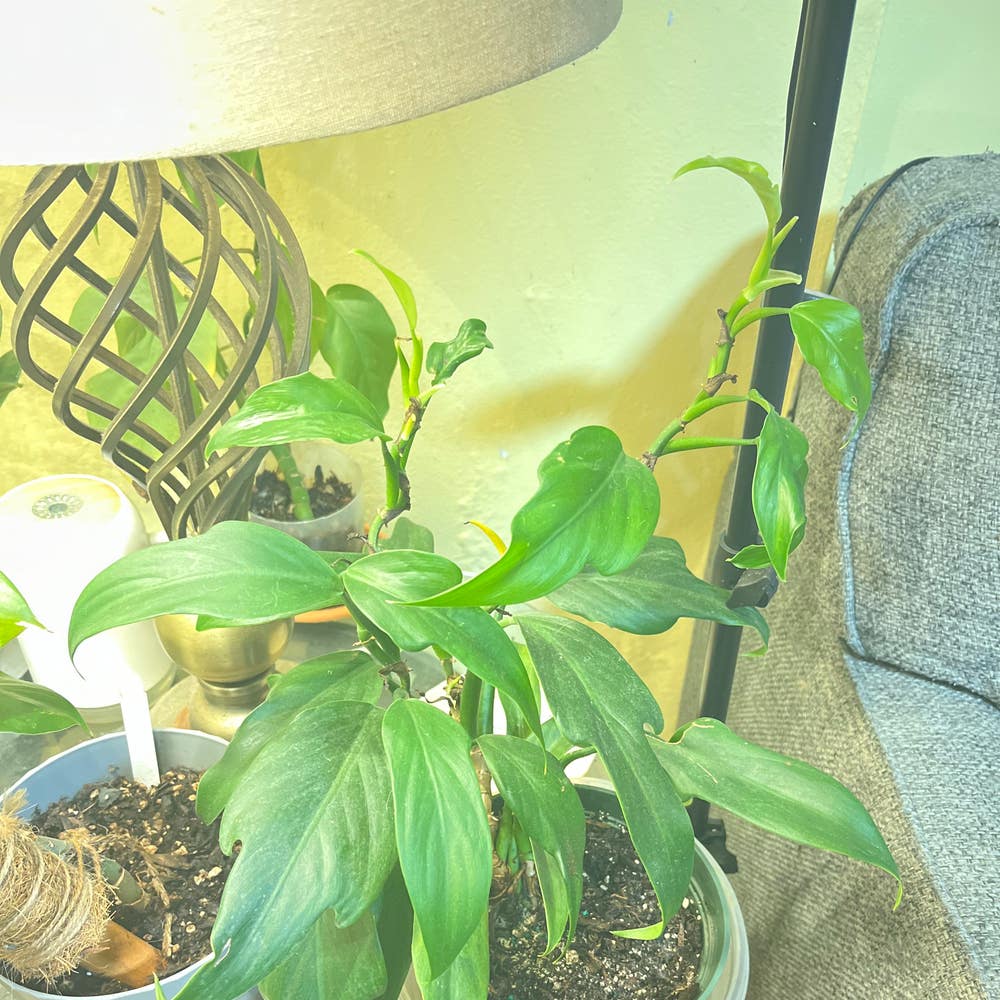
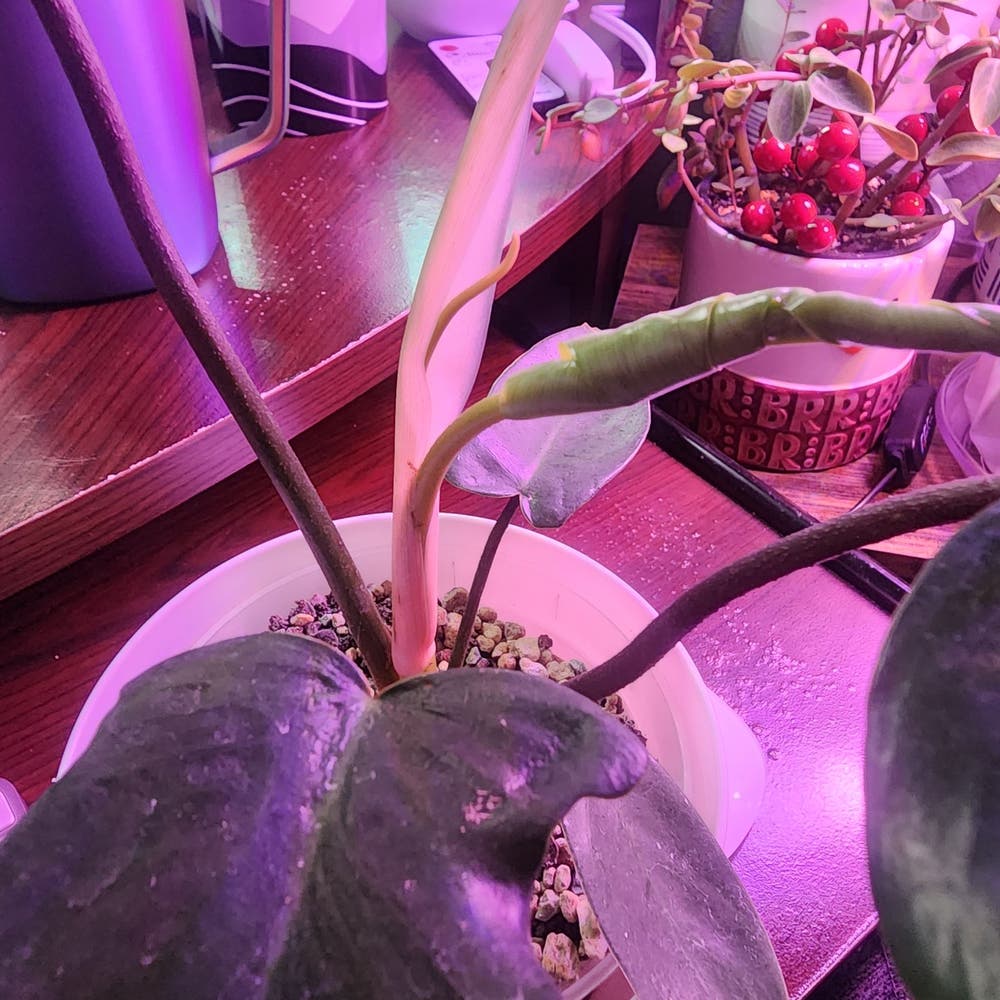
Why Does My Philodendron panduriforme Have Yellow Leaves?
Philodendron panduriforme
By the Greg Editorial Team
Jun 18, 2024•5 min read
This article was created with the help of AI so we can cover more plants for you. May contain errors. See one? Report it here.
- 🍂 Natural aging causes yellow leaves; trim older, lower leaves.
- 💧🌞 Balance water and light; moist soil and indirect sunlight are key.
- 🌱 Nutrient deficiencies and pests can yellow leaves; soil test and clean plant area.
When Yellow Leaves Are Just Old Age
In the life of a Philodendron panduriforme, yellow leaves can be as natural as gray hair in humans. It's the plant's way of saying, "I've seen many a watering can." Older leaves, especially those at the bottom, will yellow and drop, making room for fresh growth. This is the plant's retirement plan in action.
🕰 Spotting the Signs of Natural Aging
Timing is your clue here. If it's just a few leaves turning yellow and they're the senior members of the leaf community, it's likely a sign of natural aging. The plant is simply prioritizing its resources, focusing on the new, vibrant leaves.
🍂 Knowing When It's Time for a Leaf to Go
When you see a yellow leaf, don't rush to sound the alarms. If the yellowing leaf is lower on the plant and its neighbors are still a lush green, it's probably just taking one for the team. Trim it off and let your Philodendron continue its cycle of life. But keep your eyes peeled; if yellow leaves are popping up like unwanted party guests, then it's time to dig deeper into plant care.

Water Woes: Finding the Balance
💧 Overwatering: The Tell-Tale Signs
Overwatering your Philodendron panduriforme can turn it into a soggy mess. Yellow leaves that feel limp and lifeless are your first clue. You might also notice black spots forming, a surefire sign you've been too generous with the watering can. If the soil smells like a swamp, you've got a problem. It's root rot's calling card, and it spells trouble.
🏜️ Underwatering: The Thirsty Plant Predicament
On the flip side, underwatering leaves your plant as dry as yesterday's toast. Look for leaves that are more crispy than a fresh salad and soil that's pulling a disappearing act from the pot's edge. If your Philodendron's leaves are drooping like it's had a long day, it's time to up the hydration game.
🚰 Revival Steps: Correcting Your Watering Habits
First, check the soil before you water—stick your finger in it; if it's damp, hold off on the H2O. If it's dry, it's time to water, but don't drown it. Aim for moist, not a mud bath. Consider using self-watering pots to keep things consistent, but don't let them enable bad habits. And remember, moderation is key—your Philodendron isn't a cactus, nor does it want to live in a rainforest.

Let There Be (The Right Amount of) Light
💡 Identifying Symptoms of Poor Lighting Conditions
Your Philodendron panduriforme's leaves can tell a story about its light conditions. If they're reaching out like they've spotted something fascinating across the room, they need more light. Sunburnt leaves with brown spots or a faded look are crying out for less. It's a visual SOS that they're either starved for light or getting an unwanted tan.
💡 Adjusting Your Philodendron's Spot for Optimal Light Exposure
Bright, indirect sunlight is the Philodendron's happy place. If your plant is looking a bit dramatic, it might be time to shuffle it to a better-lit stage. Too much drama with crispy leaves? Sheer curtains can be your best friend, filtering out the harshness. Still in the dark? Consider a grow light; it's like a personal sun for your plant that never sets. Remember, light affects watering needs—get it right, and you'll avoid the dreaded extremes of soggy or parched soil. Rotate your plant regularly to ensure even growth; it's like ensuring everyone gets a turn at the window seat. Keep an eye on your leafy friend, and adjust as needed—your Philodendron will show its gratitude with vibrant green leaves.

Feeding Frenzy: Nutrients Needed
🌿 Pinpointing Deficiencies that Cause Yellowing
Yellow leaves on your Philodendron panduriforme might be a distress signal for nutrient deficiencies. A soil test is like a health check-up, revealing what's missing from your plant's diet. Nitrogen, phosphorus, or potassium shortfalls are common culprits.
🌱 Tailoring Your Fertilization Routine to Combat Deficiencies
To correct these deficiencies, think of fertilizer as a precision tool, not a blanket solution. Balanced fertilizers are your go-to, but moderation is key—over-fertilization can lead to nutrient burn.
🌼 The Fertilization Fix
- Slow-release fertilizers are the unsung heroes, offering a steady nutrient supply without overwhelming your plant.
- Water-soluble fertilizers can give a quick nutrient boost, but they're more like a band-aid than a cure.
- Always water the soil before fertilizing to prevent root burn.
🌱 Pro Tips
- Keep an eye on new growth; yellowing there can be a clear SOS for nutrients like manganese.
- Adjust your fertilization strategy with the seasons—your Philodendron's appetite changes throughout the year.
- Remember, it's a dance with your plant. Watch its response and tweak your routine accordingly.
Soil testing is your best friend here—it'll spill the beans on what's missing.
Bug Battles and Disease Defenses
🐛 Recognizing Pest and Disease Symptoms
Yellow leaves on your Philodendron panduriforme can be a distress signal, indicating unwanted guests or illnesses. Pests like spider mites lurk under leaves, while diseases such as root rot manifest with yellowing foliage. Brown spots with yellow halos often point to leaf spot disease. Vigilance is essential; inspect regularly for these signs of trouble.
🛡️ Effective Treatments to Nip Issues in the Bud
Combat pests with a direct approach: introduce beneficial insects or apply neem oil and insecticidal soap. For diseases, remove affected leaves to prevent spread and improve air circulation. Fungicides may be necessary, but choose eco-friendly options. Remember, prevention is key—maintain cleanliness around your plant to deter pests and diseases.
⚠️ Safety First
This content is for general information and may contain errors, omissions, or outdated details. It is not medical, veterinary advice, or an endorsement of therapeutic claims.
Always consult a qualified healthcare professional before using any plant as food, medicine, or supplement.
Never eat any plant (or feed one to pets) without confirming its identity with at least two trusted sources.
If you suspect poisoning, call Poison Control (800) 222-1222, the Pet Poison Helpline (800) 213-6680, or your local emergency service immediately.
Spotted an error? Please report it here.
Combat your Philodendron panduriforme's yellow leaves by monitoring moisture 🌧️ with Greg's tailored watering plan and expert community support for a lush, healthy plant.