What Do I Do About Philodendron Panduriforme Root Rot?
Philodendron panduriforme
By the Greg Editorial Team
Jun 18, 2024•4 min read
This article was created with the help of AI so we can cover more plants for you. May contain errors. See one? Report it here.
- Yellow leaves and foul odor signal root rot; act fast.
- Sterilize and prune to remove rotten roots, then repot.
- Prevent recurrence with proper watering, drainage, and monitoring.
Spotting the Trouble Signs
💛 Yellow Alert: Decoding Leaf Discoloration
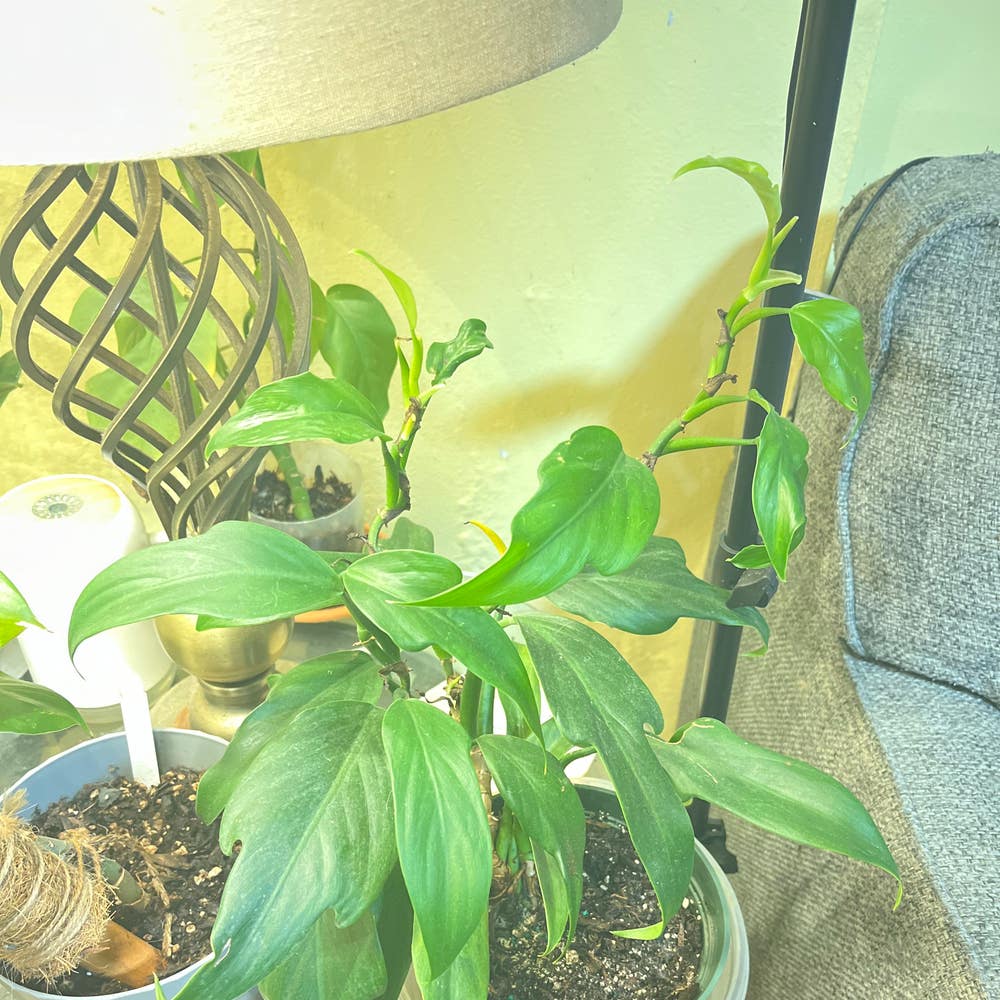
When your Philodendron panduriforme starts rocking the yellow, it's not trying to keep up with fashion trends. Yellowing leaves are the plant's version of a distress flare. If you're seeing more yellow than green, it's time to play plant doctor. Check for other symptoms like brown spots or an overall sad, saggy look. These are your cues that something's amiss beneath the soil.
🥀 Wilted Dreams: Understanding Plant Lethargy
If your philodendron's leaves are drooping like they've given up on life, take note. Wilted leaves often mean your plant is either drowning in water love or parched from a dry spell. Touch the soil; it should clue you in on which extreme you're dealing with. Remember, your plant's posture says a lot about its health.
👃 The Smell of Despair: When Roots Turn Foul
Trust your nose on this one. If you catch a whiff of something that smells like it belongs in the garbage, it's probably your philodendron's roots sending an SOS. Foul odor is a telltale sign of root rot, and it's as serious as it stinks. Don't ignore this; it's time to get your hands dirty and inspect the roots for black or mushy spots. Your plant's life could depend on it.

The Root Rot Operation
🏥 Surgical Precision: Removing Rotten Roots
Before you can nurse your Philodendron panduriforme back to health, you need to play surgeon. With sterilized scissors, cut away the rotten roots—think of it as removing the bad to save the good. Healthy roots are firm and white; anything mushy and dark needs to go. This isn't a trim; it's a life-saving operation.
🧼 Clean Slate: Preparing for a Fresh Start
After the amputation, give the remaining roots a thorough rinse to wash away any lingering soil, which is like a crime scene of pathogens. Let the roots air dry; they need a moment to breathe before moving into their new home. Remember, cleanliness is next to plant-godliness, so ensure everything from pots to tools is sterilized.
🌱 Choosing the Right Soil: A New Home for Your Philodendron
Now, it's time to repot with a high-quality, well-draining potting mix—your Philodendron's new luxury apartment. Be mindful of the pot size; roots dislike being cramped. Snug but not tight is the mantra here. Hold off on the water; let the roots settle and recover from the shock of moving day.

Aftercare: Nursing Your Philodendron Back to Health
💧 The Right Amount of TLC: Watering After Treatment
Watering is a delicate dance post-root rot. Begin with a thorough quench until water escapes the drainage holes. Then, play the waiting game. Check the top inch of soil before each watering; if it's dry, it's time for another round. During the growing season, this might mean weekly sessions, but when winter hits, ease up.
🌞 Sunlight and Shadows: Finding the Perfect Spot
Your Philodendron craves bright, indirect light. Direct sunlight is a no-go—it's the equivalent of putting your plant in a tanning bed with no sunscreen. Find a spot where the light is just right, like a north-facing window or a few feet away from a sunnier one. Remember, light is plant food, and you're the chef.
👀 Monitoring and Adjustments: Keeping an Eye on Recovery
Stay vigilant. Your Philodendron is on the mend and needs your eyes more than ever. Signs of improvement should appear within weeks—if not, reassess your care strategy. And keep pests at bay with a soapy water spray; think of it as your plant's personal bodyguard.

Fortifying Defenses: Preventing Future Root Rot
💧 Water Wisdom: Perfecting Your Watering Technique
Early morning is prime time for watering your Philodendron panduriforme. It's the sweet spot when you can hydrate the soil and let the leaves bask in the sun to dry. Aim for moist, not a waterlogged mess. Overdoing it is a surefire invite for root rot to crash your plant party.
🌬️ Breathable Boundaries: Ensuring Good Drainage and Airflow
Your plant's pot needs to be the botanical equivalent of a well-ventilated room. Ensure drainage holes are present and clear as a summer sky. A layer of gravel at the pot's base isn't just decorative—it's functional, preventing soil from clogging up the works.
👩🔬 Vigilance and Routine: Regular Check-ups for Early Detection
Make regular soil check-ups your new hobby. It's like being a plant detective, on the lookout for clues of distress. If you're the forgetful type, a soil moisture meter could be your new best friend. It's a small investment for peace of mind and happy roots. Remember, prevention isn't just a strategy; it's a commitment to your green companion's well-being.
⚠️ Safety First
This content is for general information and may contain errors, omissions, or outdated details. It is not medical, veterinary advice, or an endorsement of therapeutic claims.
Always consult a qualified healthcare professional before using any plant as food, medicine, or supplement.
Never eat any plant (or feed one to pets) without confirming its identity with at least two trusted sources.
If you suspect poisoning, call Poison Control (800) 222-1222, the Pet Poison Helpline (800) 213-6680, or your local emergency service immediately.
Spotted an error? Please report it here.
Prevent root rot in your Philodendron panduriforme by staying vigilant with Greg's custom care reminders 🛡️, ensuring your green buddy thrives without the guesswork.