🍃 Fiddleleaf Philodendron: Not an Annual
Philodendron panduriforme
By the Greg Editorial Team
Sep 28, 2024•3 min read
This article was created with the help of AI so we can cover more plants for you. May contain errors. See one? Report it here.
- 🌱 Fiddleleaf philodendrons are perennials, thriving in tropical climates and growing year-round.
- 🌿 Large, glossy leaves can reach 3 feet, making them striking focal points in gardens.
- 🌞 Optimal care includes humidity, warmth, and indirect sunlight for healthy, vibrant growth.
Fiddleleaf Philodendron as a Perennial
🌱 Genetic Characteristics
The fiddleleaf philodendron thrives in the tropical climates of Central and South America. Its genetic makeup includes adaptations that enable long-term growth and survival in these lush environments.
🍃 Physiological Traits Supporting Perennial Classification
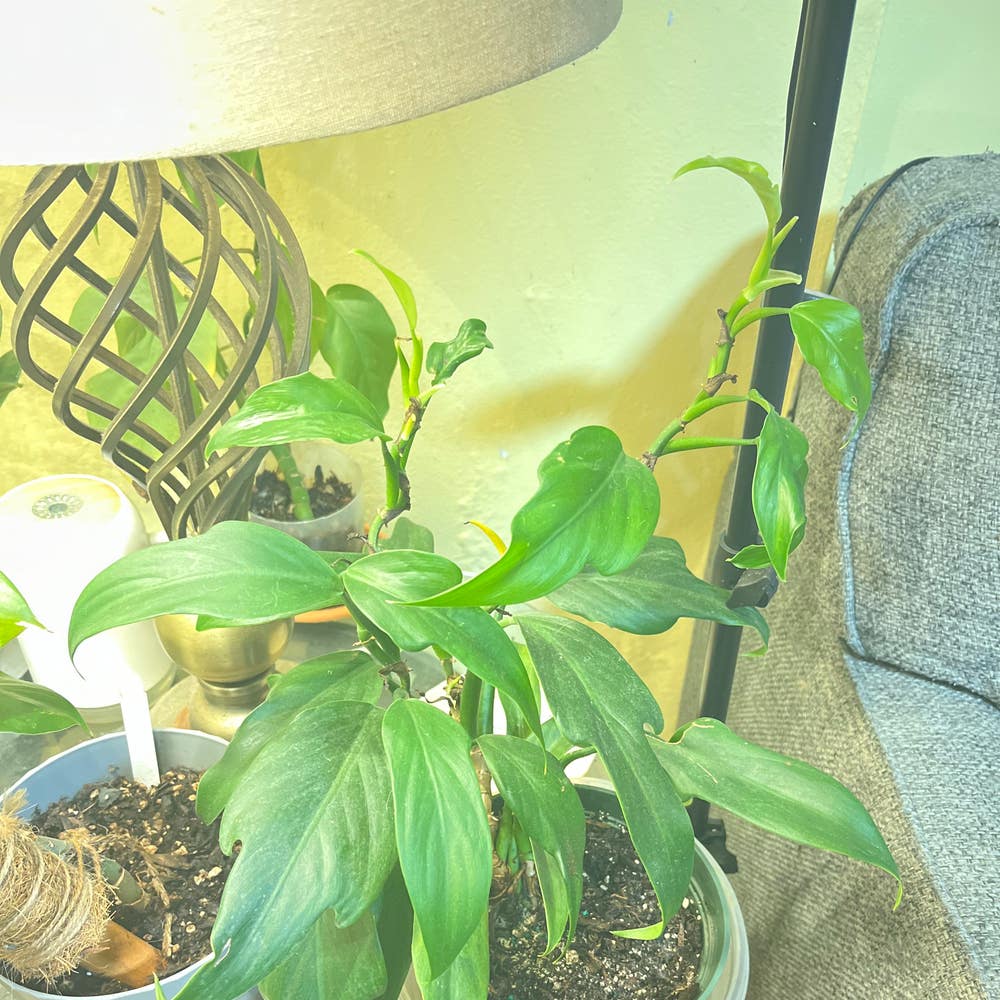
One of the most striking features of this plant is its large, glossy leaves, which can grow up to 3 feet long. Additionally, its climbing nature means it requires support as it matures, allowing it to reach for sunlight.
🌳 Root System
The root system of the fiddleleaf philodendron is deep and extensive. This robust structure allows for efficient nutrient and water absorption, essential for its perennial growth.
📈 Long-Term Lifecycle and Growth Patterns
Under optimal conditions, the fiddleleaf philodendron can live for many years. Its growth phases include initial establishment, maturation, and ongoing growth, all of which thrive in warm, humid environments.
🔄 Lifecycle Comparison with True Annuals
Unlike true annuals, which complete their life cycle in a single season, the fiddleleaf philodendron exhibits perennial growth over multiple seasons. It may also flower multiple times throughout its life, while annuals typically flower only once.
❓ Misconceptions and Exceptions
There are conditions where the fiddleleaf philodendron may be treated as an annual, particularly under environmental stress that leads to seasonal dieback. Additionally, regional variations, such as hardiness zones and local gardening practices, can affect its classification.
Understanding these characteristics and growth patterns can help you appreciate the fiddleleaf philodendron's unique place in the gardening world. Next, we’ll explore the gardening implications of this remarkable plant.
Gardening Implications
Advantages in Garden Design 🌿
Fiddleleaf Philodendrons offer long-term aesthetic appeal with their lush, glossy leaves. Their continuous growth creates a vibrant atmosphere, making them a striking addition to any garden.
These plants can serve as focal points or climbing companions, enhancing vertical spaces. Their climbing nature allows them to intertwine with trellises or other structures, adding depth to your landscape.
Planning for Long-Term Growth 📅
When incorporating Fiddleleaf Philodendrons into your garden, consider their space requirements. They need ample room to spread and climb, so plan accordingly to avoid overcrowding.
Anticipating seasonal changes is crucial for maintaining their health. Understanding their growth patterns will help you manage maintenance needs effectively, ensuring they thrive year after year.
With these considerations in mind, you can create a flourishing garden that showcases the beauty of Fiddleleaf Philodendrons while supporting their perennial nature.
Maximizing Longevity
Tips for Managing as a Perennial 🌱
To keep your fiddleleaf philodendron thriving, focus on creating optimal conditions. This plant loves humidity and warmth, so consider placing it in a spot with indirect sunlight and a humid environment.
Regular pruning is essential for maintaining its shape and encouraging healthy growth. Trim any yellowing leaves and shape the plant to promote a fuller appearance.
Best Practices for Health and Longevity 🌿
The right soil is crucial for your fiddleleaf philodendron's health. Use well-draining, nutrient-rich soil to support its extensive root system.
Establish a consistent watering schedule to keep the soil moist but not waterlogged. This balance helps prevent root rot while ensuring your plant gets the hydration it needs.
Fertilization plays a key role in promoting growth. Feed your fiddleleaf philodendron regularly during the growing season to provide essential nutrients for optimal health.
By following these tips, you can enjoy a lush, vibrant fiddleleaf philodendron that enhances your space for years to come. Next, let’s explore the gardening implications of this beautiful perennial.
⚠️ Safety First
This content is for general information and may contain errors, omissions, or outdated details. It is not medical, veterinary advice, or an endorsement of therapeutic claims.
Always consult a qualified healthcare professional before using any plant as food, medicine, or supplement.
Never eat any plant (or feed one to pets) without confirming its identity with at least two trusted sources.
If you suspect poisoning, call Poison Control (800) 222-1222, the Pet Poison Helpline (800) 213-6680, or your local emergency service immediately.
Spotted an error? Please report it here.
Nurture your fiddleleaf philodendron into a stunning centerpiece 🌿 with Greg's tailored care tips and watering reminders that ensure it thrives for years to come!