Why Are My Philodendron panduriforme Leaves Dropping?
Philodendron panduriforme
By the Greg Editorial Team
Jun 18, 2024•6 min read
This article was created with the help of AI so we can cover more plants for you. May contain errors. See one? Report it here.
- 🍂 Excessive leaf drop signals distress, not natural shedding.
- 💧 Adjust watering and light to prevent over/underwatering and temperature stress.
- 🌱 Well-draining soil and pest control are essential for health.
Spot the Signs: Is Your Philodendron Panduriforme in Distress?
🍂 Normal vs. Excessive Leaf Drop
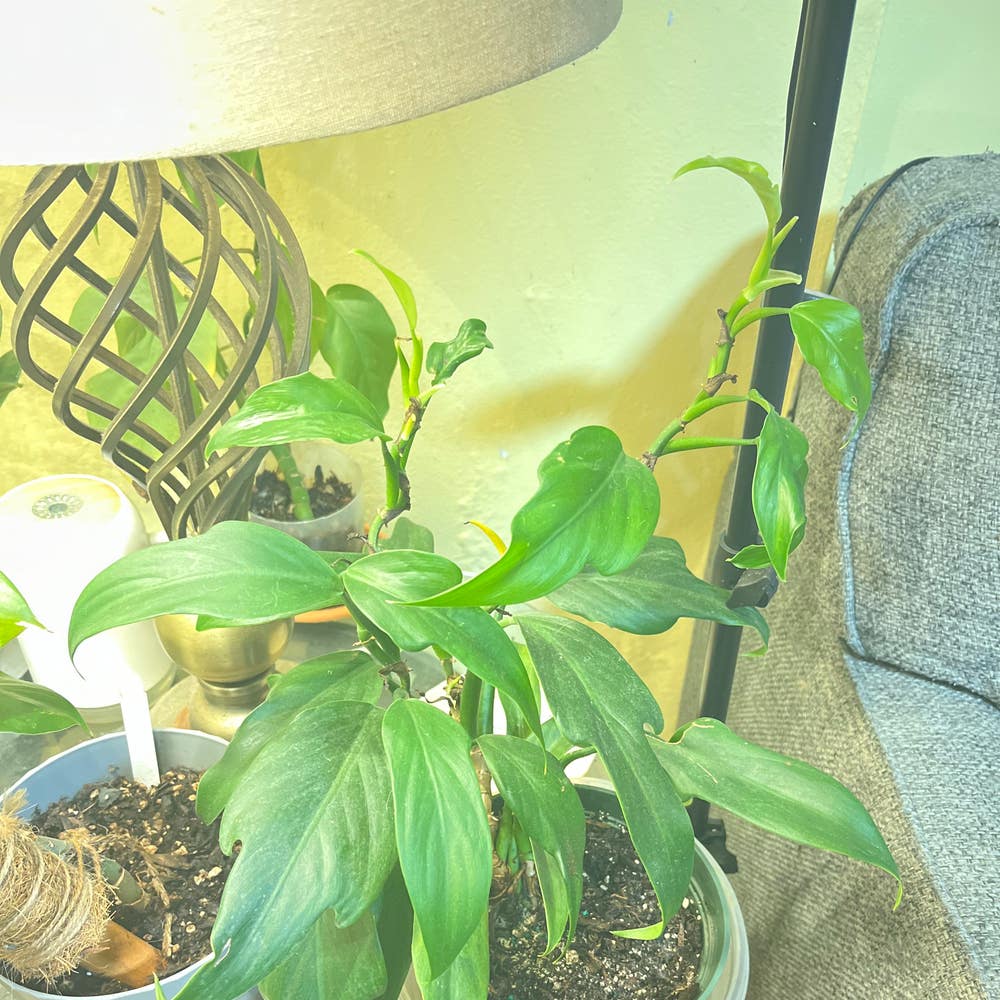
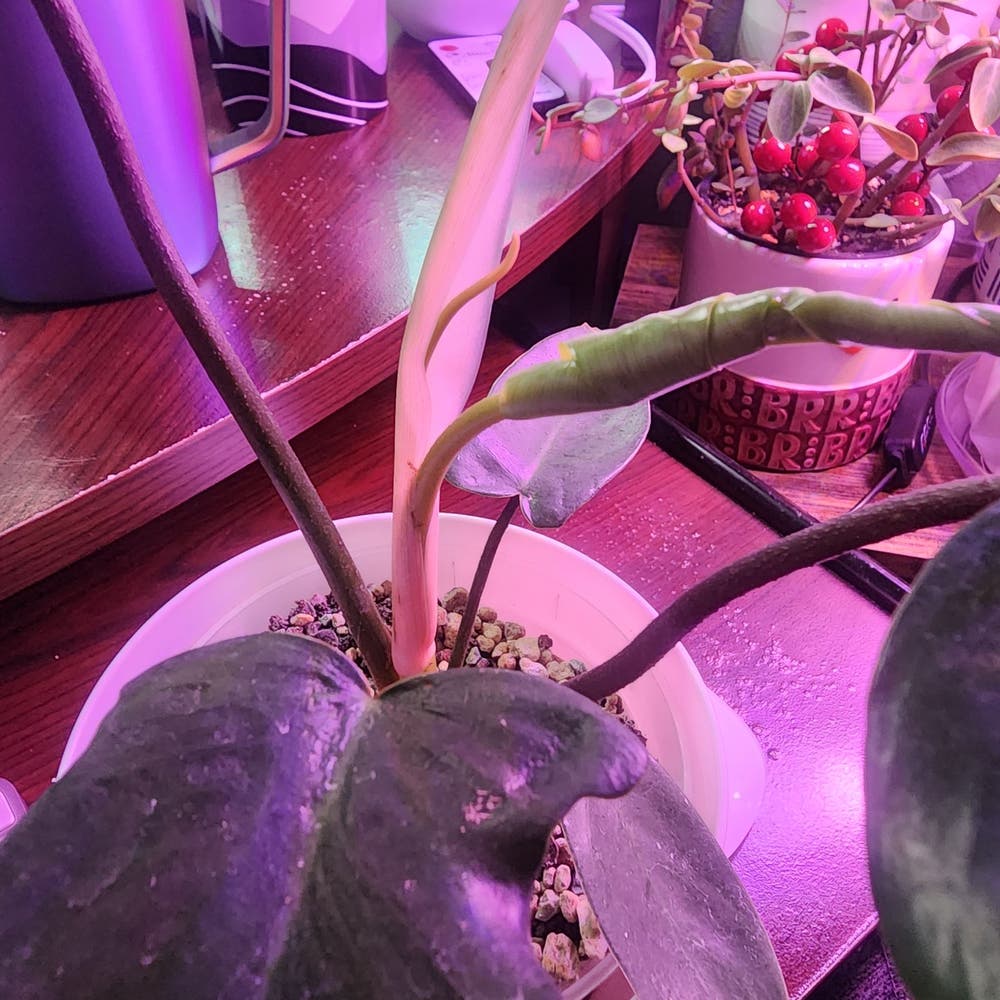
Philodendron panduriforme will naturally shed older leaves, but a flurry of falling foliage is a distress signal. Excessive leaf drop is abrupt and plentiful, often with other symptoms in tow.
🖼️ Visual Clues and Immediate Actions
Yellowing leaves could mean too much water, while crispy edges suggest thirst. If the soil feels like a wet sponge, ease up on watering. Conversely, bone-dry soil calls for a hydration boost. Immediate action: adjust watering habits and inspect for other stress signs.
💧 Overwatering vs. Underwatering
Yellow, mushy leaves often point to overwatering. If leaves resemble crispy autumn relics, it's likely underwatering. Adjust your watering schedule to match your plant's needs.
🌞 Light and Temperature Stress
A Philodendron stretching out like it's reaching for the sun likely needs more light. Leaves dropping like flies could indicate it's too cold. Move your plant to a brighter spot, away from drafts, and maintain a consistent temperature.
🐜 Pests and Diseases
Regularly inspect for pests or disease. Catching these early can prevent leaf drop and further damage. If you spot any critters or unusual spots, treat promptly with appropriate measures.
🌱 Soil Check
Ensure your Philodendron's soil is well-draining. Soggy soil can lead to root rot, while compacted soil might be too dry. Consider repotting with fresh, airy soil if necessary.
✂️ Pruning
Snip off any leaves that have given up. This redirects energy to healthier growth and can prevent further leaf drop. Pruning also helps maintain a bushier appearance.
Remember, vigilance is key. Keep an eye out for these signs, and your Philodendron panduriforme will thank you with lush, vibrant leaves.

Water Woes: Finding the Balance for Your Philodendron
💦 Overwatering and Root Rot
Overwatering can turn your Philodendron's roots into a soggy mess. Signs include yellowing leaves, a wilted appearance, and a musty odor indicating rot. If the soil feels more like a swamp than a garden, you've gone too far.
🚑 How to Save Your Plant
- Halt all watering immediately.
- Remove the plant and inspect the roots, trimming away any that are brown and mushy.
- Repot in fresh, well-draining soil and ensure your pot has adequate drainage holes.
- Monitor your watering habits—only water when the top inch of soil is dry.
🏜️ Underwatering: Silent Killer
Underwatering is stealthy; it creeps up and leaves your plant dry and thirsty. Look for leaf curl and a gap between the soil and pot edge. These are your Philodendron's way of crying out for help.
💧 Hydration Without Harm
- Check the soil moisture regularly—aim for consistently moist, not drenched.
- When watering, do so thoroughly but allow excess water to drain.
- Use materials like coco coir to help the soil retain the right amount of moisture.
- Avoid letting the plant dry out completely between waterings; consistency is key.

The Right Environment for a Thriving Philodendron
💡 Light and Temperature
Philodendrons are like Goldilocks when it comes to their comfort zone; they prefer it just right. Bright, indirect light is their jam, and they thrive in a consistent temperature range of 65-80°F (18-27°C). Too much direct sunlight can scorch their leaves, while too little can lead to a sparse, leggy plant. Keep them out of the direct line of fire from harsh sunbeams by positioning them in a spot that mimics the dappled light of their native tropics.
Humidity and Airflow
Humidity is another piece of the puzzle. Aim for a 40-60% humidity level to keep your Philodendron's leaves from throwing in the towel. If your indoor air is drier than a stand-up comedian, consider a humidifier or a pebble tray to up the moisture. Airflow is equally important; stagnant air is a no-go. Ensure your plant gets a gentle breeze, but avoid placing it in the path of strong drafts or vents that could cause more drama than a reality TV show.

Feeding Your Philodendron: Nutrients and Soil Health
💡 Nutrient Deficiencies and Their Fixes
Philodendron panduriforme leaves dropping could be screaming for nutrients. Yellow leaves often cry out for nitrogen, while dark spots may whisper of phosphorus deficiency. Magnesium might be the culprit if you see leaves turning yellow but veins staying green.
Test your soil to uncover these secrets. It's like a health check-up for your plant's diet. Once you know what's lacking, supplement accordingly. Use a balanced liquid fertilizer monthly in spring and summer, but don't overdo it—think of it as seasoning food, not dousing it.
🚰 The Importance of Well-Draining Soil
Your Philodendron's roots need to breathe, and well-draining soil is their lifeline. Overwatering can be a death sentence, leading to root rot. If your soil is holding on to water like a sponge, it's time to mix in some perlite or coarse sand.
Choose pots with drainage holes—they're like an emergency exit for excess water. Remember, no matter how nutrient-rich your soil is, if water can't escape, you're setting the stage for a root rot tragedy. Keep your Philodendron's feet dry and its belly full for a happy, healthy plant.
Defending Against Invaders: Pests and Diseases
🍂 Common Culprits of Leaf Drop
Philodendron panduriforme leaves dropping? Pests and diseases might be gatecrashing your plant party. Spider mites, aphids, and fungal infections are the usual suspects. They're like tiny vandals, tagging your plant with spots, curling leaves, or creating a sticky mess.
🕵️ Identifying Pests
Check under leaves and near stems. Aphids are fond of sapping your plant's strength, while spider mites leave fine webbing and speckled leaves.
🦠 Identifying Diseases
Spotted leaves? Could be fungal foes or bacterial bad guys. These infections can cause black or brown spots, often leading to leaf drop.
⚔️ Battle Tactics
Prevention is Key
Keep it clean. Remove fallen leaves and debris to prevent pest parties. Ensure good air circulation and avoid wetting the leaves to sidestep fungal gatecrashers.
🌿 Organic Warfare
Spotted an infestation? Go eco-friendly with neem oil or insecticidal soap. They're like bouncers for pests, showing them the exit without trashing the environment.
🐞 Beneficial Bugs
Introduce ladybugs to tackle aphids. They're nature's hitmen, keeping those sap-suckers in check.
✂️ Pruning for Health
Prune with purpose. Remove any leaves that look past their prime to keep your plant looking sharp and healthy.
🍄 Fungal and Bacterial Battles
Dry leaves are happy leaves. Water at the base and consider a targeted fungicide application if you're dealing with a stubborn infection.
🕵️♂️ Monitoring and Maintenance
Regular check-ups are crucial. Early detection allows you to kick pests and diseases to the curb before they cause a scene.
⚠️ Safety First
This content is for general information and may contain errors, omissions, or outdated details. It is not medical, veterinary advice, or an endorsement of therapeutic claims.
Always consult a qualified healthcare professional before using any plant as food, medicine, or supplement.
Never eat any plant (or feed one to pets) without confirming its identity with at least two trusted sources.
If you suspect poisoning, call Poison Control (800) 222-1222, the Pet Poison Helpline (800) 213-6680, or your local emergency service immediately.
Spotted an error? Please report it here.
Ensure your Philodendron panduriforme stays leafy and lush 🍃 with Greg's custom watering schedules and pest prevention tips, keeping those leaves firmly in place!