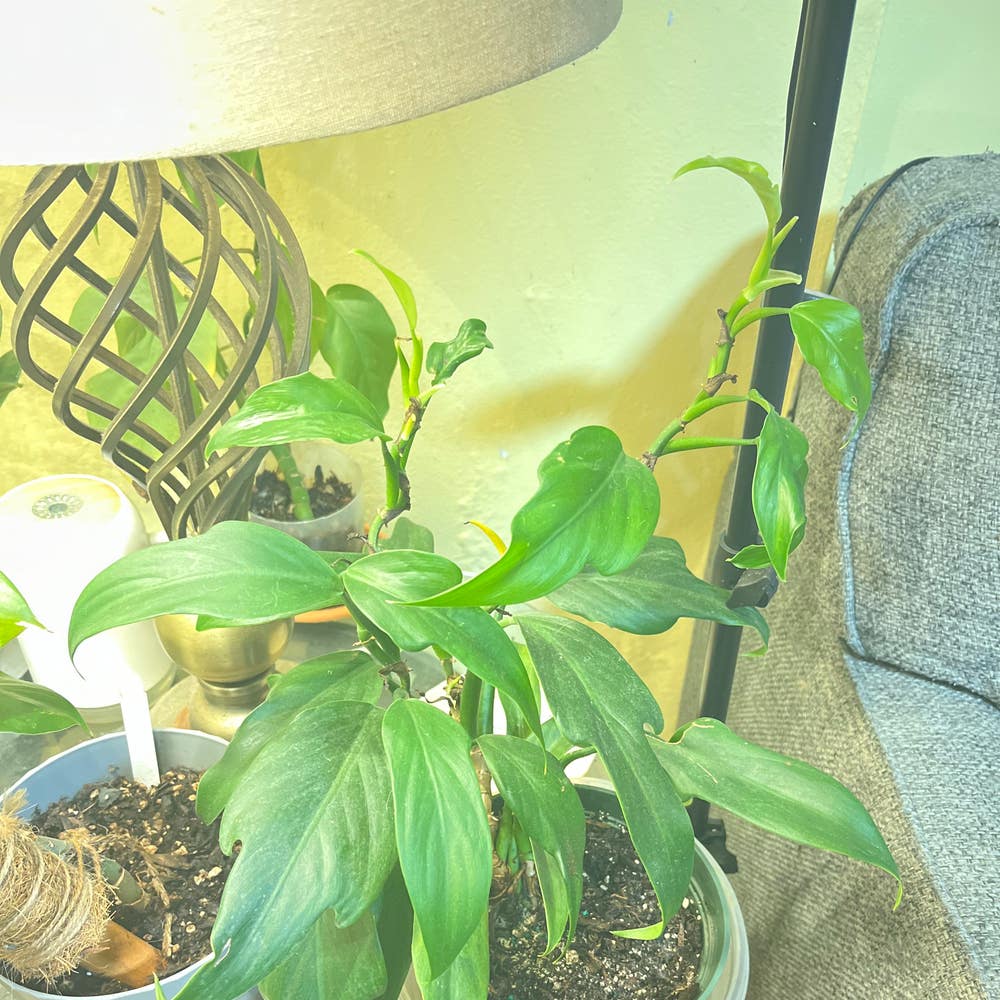
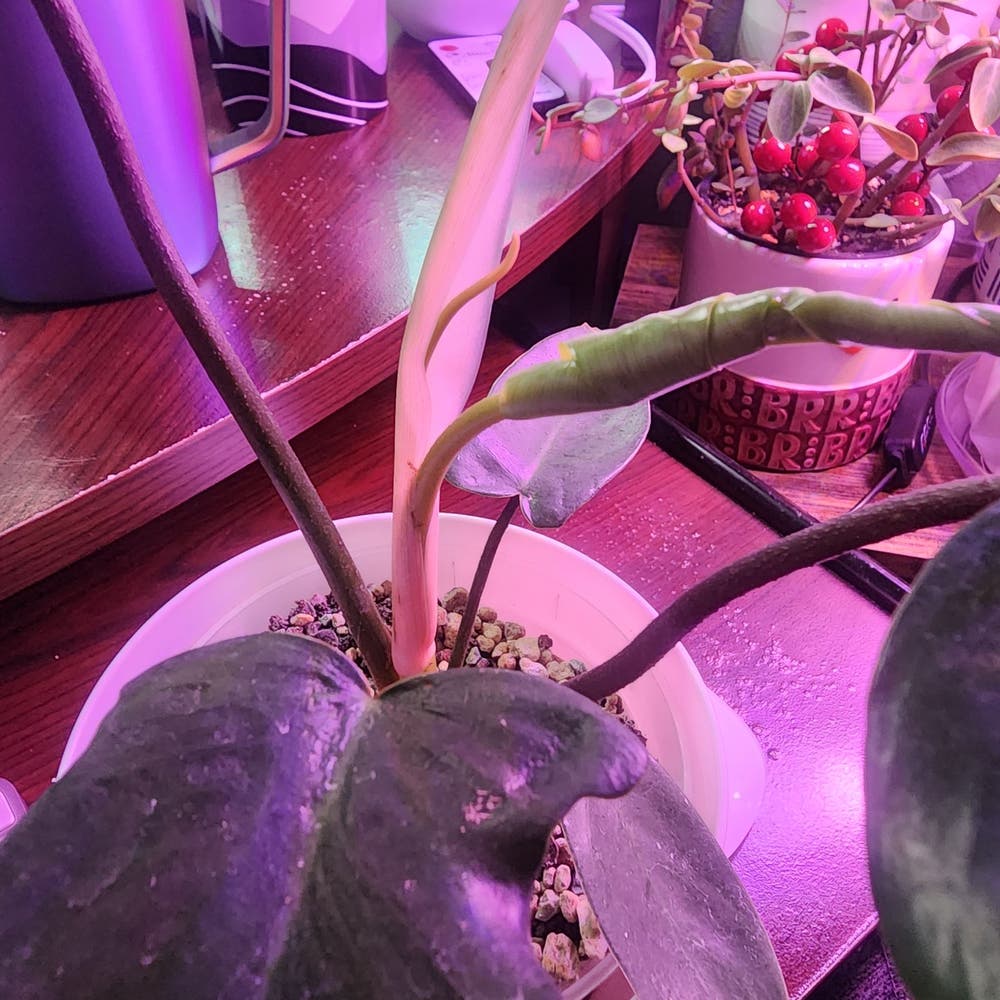
Choosing the Best Pot for Your Fiddleleaf Philodendron 🪴
Philodendron panduriforme
By the Greg Editorial Team
Sep 28, 2024•5 min read
This article was created with the help of AI so we can cover more plants for you. May contain errors. See one? Report it here.
- 🌱 Start seedlings in 4-6 inch pots for optimal root growth.
- 🏺 Choose clay or plastic pots based on drainage and aesthetics.
- 🔄 Repot in spring when roots emerge or leaves yellow for healthy growth.
Pot Sizes for Different Growth Stages
🌱 Recommended Sizes for Seedlings
When starting your Fiddleleaf Philodendron, choose a container that is 4-6 inches in diameter. This smaller size encourages root growth, allowing the plant to establish itself effectively.
As your plant grows, it’s essential to transition to larger pots. This gradual increase in size supports healthy development and prevents root crowding.
🌳 Recommended Sizes for Mature Plants
For mature Fiddleleaf Philodendrons, opt for pots that are 10-14 inches in diameter. This size provides ample space for the roots while ensuring stability as the plant matures.
Consider the plant's height and leaf spread when selecting a pot. A well-chosen pot not only supports growth but also enhances the overall aesthetic of your indoor space.
With the right pot size, your Fiddleleaf Philodendron can thrive, setting the stage for the next important aspect: ideal pot materials.
Ideal Pot Materials
🌱 Benefits of Clay Pots
Clay pots are a favorite among plant enthusiasts for several reasons. Their natural breathability promotes aeration, which is crucial for preventing root rot in your Fiddleleaf Philodendron.
Additionally, clay pots excel in moisture retention, making them ideal for the watering needs of this plant. They also add an aesthetic appeal that enhances the visual aspect of your indoor spaces.
🪴 Benefits of Plastic Pots
On the other hand, plastic pots offer their own set of advantages. They are lightweight and easy to move, making them suitable for larger plants that might otherwise be cumbersome.
Cost-effectiveness is another significant benefit, as plastic pots are generally more affordable than their clay counterparts. Plus, they come in a variety of colors and styles, allowing you to match them with your decor.
⚖️ Comparison of Materials
When comparing clay and plastic, each has its pros and cons for your Fiddleleaf Philodendron. Clay pots provide excellent moisture retention and drainage, while plastic pots are lightweight and versatile.
Consider how each material impacts moisture retention and drainage capabilities. Ultimately, your choice should reflect your individual gardening preferences and the specific needs of your plant.
Choosing the right pot material can significantly influence your plant's health and growth, setting the stage for a thriving Fiddleleaf Philodendron.
Drainage Considerations
Importance of Drainage Holes 🌧️
Drainage holes are crucial for preventing overwatering, which can lead to root rot in your Fiddleleaf Philodendron. Ideally, pots should have several holes, each about 0.5 to 1 inch in diameter, to ensure excess water can escape.
Inadequate drainage can cause serious health issues for your plant, including yellowing leaves and stunted growth. Without proper drainage, the roots may suffocate, leading to a decline in overall vitality.
How to Ensure Proper Drainage 🚰
When selecting pots, look for those with built-in drainage features to simplify care. These pots often come with multiple holes, making it easier to maintain the right moisture levels.
Using potting soil designed for drainage is another key factor. Choose a mix that allows water to flow freely while retaining some moisture.
For an extra boost, consider adding gravel or small stones at the bottom of the pot. This layer can enhance drainage and prevent soil from clogging the holes, ensuring your Fiddleleaf Philodendron thrives.
With proper drainage in place, your plant will have a better chance to flourish. Next, let’s explore the signs that indicate it’s time to repot your Fiddleleaf Philodendron.
Repotting Fiddleleaf Philodendron
🌱 Signs That It’s Time to Repot
Recognizing when to repot your Fiddleleaf Philodendron is crucial for its health. Look for roots emerging from the drainage holes; this is a clear sign your plant is root-bound.
Stunted growth or yellowing leaves can also indicate that your plant needs more space. The best time to repot is during spring or early summer when the plant is actively growing.
🛠️ Step-by-Step Guide to Repotting
Repotting doesn’t have to be daunting. Follow these steps for a smooth transition:
- Gather necessary materials: a new pot, potting soil, and your tools.
- Carefully remove the plant from its current pot, taking care not to damage the roots.
- Inspect the roots and trim any damaged ones to promote healthy growth.
- Place the plant in the new pot and fill it with fresh potting soil.
- Water thoroughly and check for proper drainage to avoid waterlogging.
🪴 Choosing the Right Pot During Repotting
When selecting a new pot, assess the current size and growth stage of your Fiddleleaf Philodendron. A good rule of thumb is to increase the pot size by 1-2 inches.
Material choice matters too. Opt for a pot that suits your plant's needs, ensuring it provides the right balance of aeration and moisture retention.
With these tips, your Fiddleleaf Philodendron will thrive in its new home, setting the stage for vibrant growth. Next, let’s explore how your pot choice impacts the overall growth of your plant.
Impact of Pot Choice on Growth
How Pot Choice Influences Root Health 🌱
The health of your Fiddleleaf Philodendron's roots is directly tied to the pot material and size. A well-chosen pot allows roots to breathe, promoting robust growth and preventing issues like root rot.
Restricted root space can severely impact plant vitality. When roots become cramped, they struggle to absorb water and nutrients, leading to stunted growth and overall decline.
Effects of Pot Size on Nutrient Absorption 🍽️
Pot size plays a crucial role in nutrient availability. Larger pots can dilute nutrients, making it harder for your plant to access what it needs.
To maintain nutrient levels in larger pots, consider using high-quality potting soil and regular fertilization. This ensures your Fiddleleaf Philodendron thrives, even in a spacious environment.
Choosing the right pot is essential for your plant's health and growth. Next, let's explore the importance of drainage considerations to keep your Fiddleleaf Philodendron flourishing.
⚠️ Safety First
This content is for general information and may contain errors, omissions, or outdated details. It is not medical, veterinary advice, or an endorsement of therapeutic claims.
Always consult a qualified healthcare professional before using any plant as food, medicine, or supplement.
Never eat any plant (or feed one to pets) without confirming its identity with at least two trusted sources.
If you suspect poisoning, call Poison Control (800) 222-1222, the Pet Poison Helpline (800) 213-6680, or your local emergency service immediately.
Spotted an error? Please report it here.
Choose the perfect pot for your Fiddleleaf Philodendron 🌿 with Greg's tailored reminders and expert tips to keep your plant thriving in style!