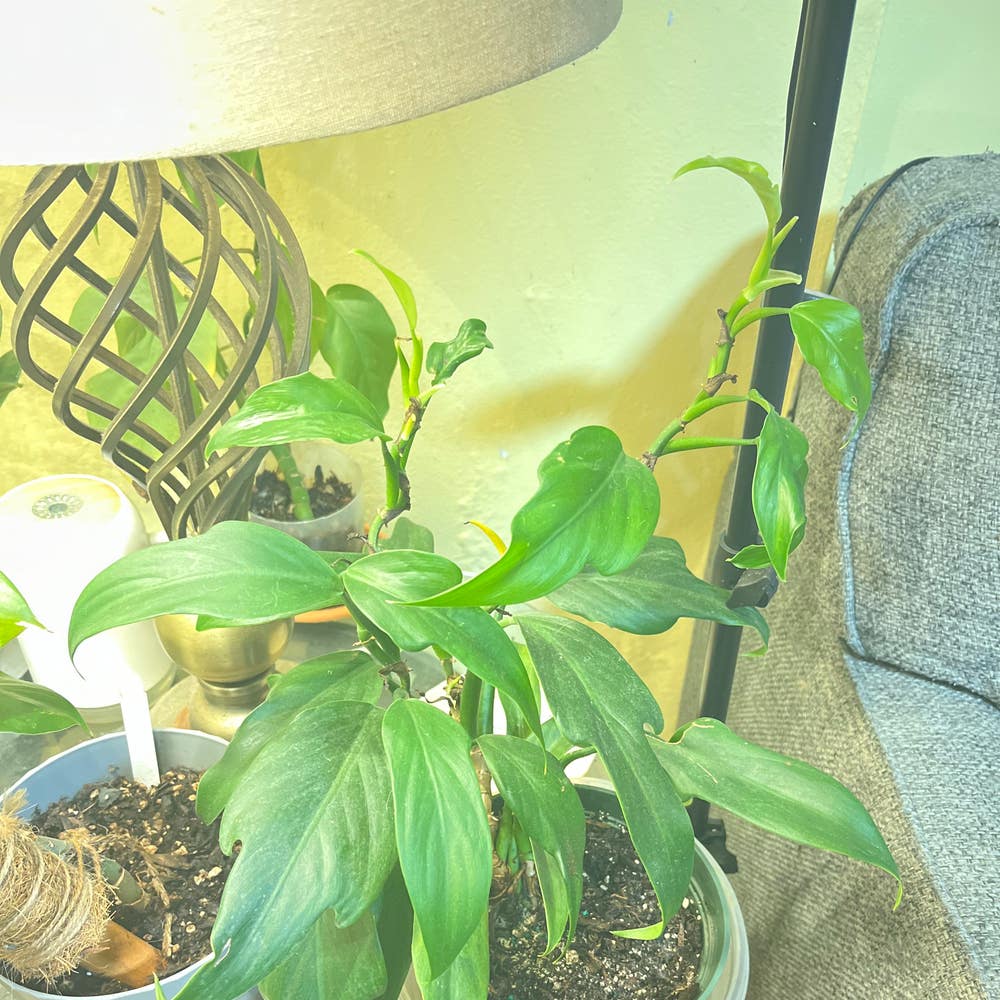
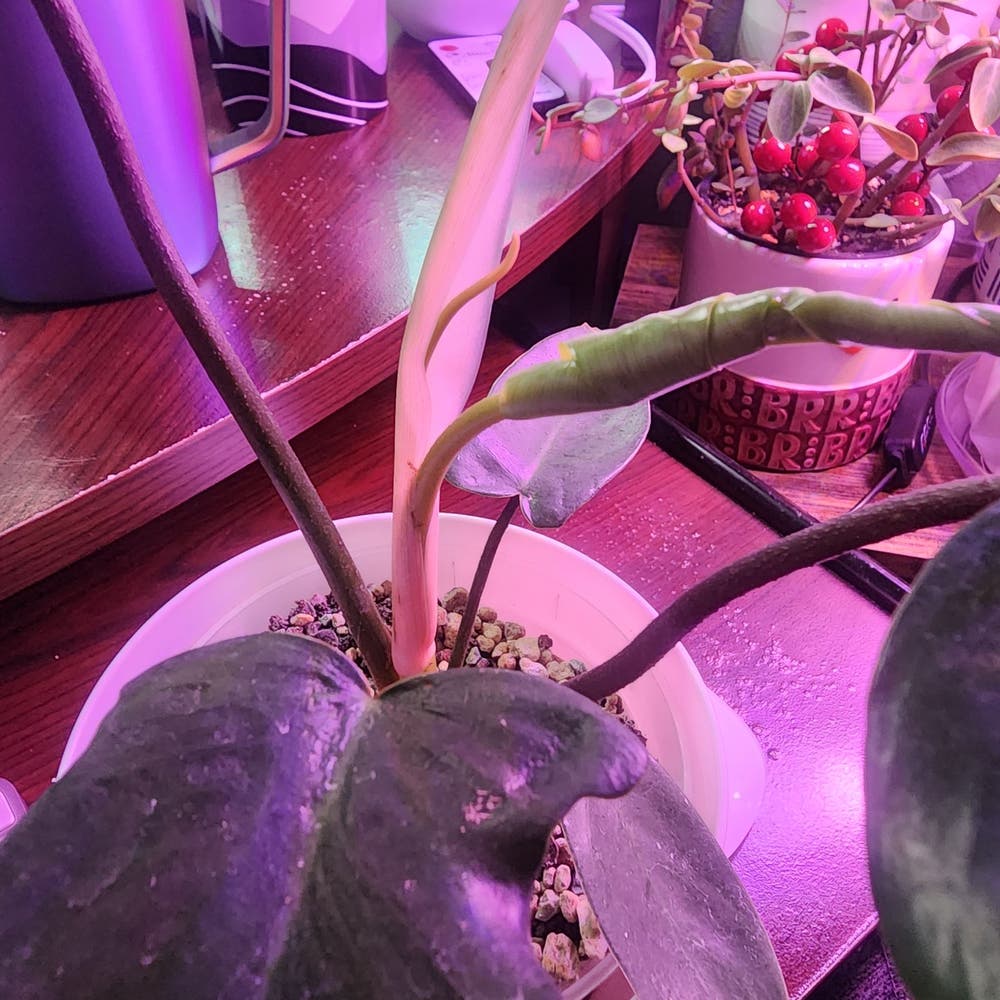
🌸 Top 8 Signs Your Fiddleleaf Philodendron Has Flower Problems
Philodendron panduriforme
By the Greg Editorial Team
Sep 28, 2024•6 min read
This article was created with the help of AI so we can cover more plants for you. May contain errors. See one? Report it here.
- 🌼 No flower buds? It signals potential flower problems in your fiddleleaf philodendron.
- ☀️ Bright, indirect sunlight is crucial for encouraging blooms and preventing issues.
- 🌱 Nutritional deficiencies hinder flowers; ensure a balanced diet for optimal growth.
Signs of Failure to Bloom
🌼 Identifying Lack of Flowers
One of the first signs your fiddleleaf philodendron is struggling is the absence of flower buds during its expected bloom cycle. If you notice that your plant isn't producing any buds when it typically should, it’s a clear red flag.
To gauge this, compare your plant's current state with its usual flowering periods. If it’s well past the expected time for blooms and nothing has appeared, it’s time to investigate further.
🔍 Potential Causes
Insufficient Light Exposure
Bright, indirect sunlight is crucial for your plant's blooming success. If your fiddleleaf philodendron isn’t getting enough light, it may simply decide to skip flowering altogether.
Nutritional Deficiencies
Essential nutrients play a vital role in flower development. A lack of key nutrients can hinder your plant’s ability to produce blooms, so ensure it’s getting a balanced diet.
Environmental Stress Factors
Temperature fluctuations and humidity levels can significantly affect blooming. If your plant is experiencing stress from its environment, it may not bloom as expected.
Understanding these signs and potential causes can help you take action to encourage healthy blooms. Next, let’s explore the causes of premature flower drop.
Causes of Premature Flower Drop
🌼 Recognizing Premature Flower Drop
Premature flower drop is a frustrating issue for any fiddleleaf philodendron enthusiast. You might notice flower buds falling off before they have a chance to bloom, which can be disheartening.
Timing is crucial here. If you observe buds dropping shortly after environmental changes, it’s a clear sign that something isn’t right.
⚖️ Contributing Factors
Inconsistent Watering Practices
Watering inconsistently can wreak havoc on your plant's ability to retain flowers. Overwatering can lead to root rot, while underwatering stresses the plant, both of which contribute to flower drop.
🍽️ Nutritional Imbalances
Nutritional deficiencies can also play a significant role. Essential nutrients like phosphorus and potassium are vital for flower retention, and a lack of these can lead to disappointing results.
🌪️ Stress from Sudden Environmental Changes
Sudden changes in the environment can stress your fiddleleaf philodendron. Relocating the plant or exposing it to temperature fluctuations can trigger premature flower drop, leaving you with fewer blooms than expected.
Understanding these factors can help you create a more stable environment for your plant. By addressing these issues, you can encourage your fiddleleaf philodendron to thrive and produce beautiful flowers.
Next, let’s explore abnormal flower development issues and how to identify them.
Abnormal Flower Development Issues
🌼 Identifying Abnormalities
When your fiddleleaf philodendron shows signs of abnormal flower development, you'll notice characteristics like misshapen or discolored flowers. These issues can arise unexpectedly, often during specific environmental conditions or stress periods.
Timing is crucial; abnormalities may occur during rapid temperature changes or when the plant is adjusting to new lighting conditions. Keeping an eye on these factors can help you catch problems early.
🔍 Underlying Causes
Poor Light Conditions
Inadequate lighting is a significant culprit behind abnormal flower morphology. If your plant isn't receiving enough bright, indirect sunlight, it may struggle to produce healthy blooms.
🍽️ Nutritional Deficiencies
Nutritional imbalances can also lead to abnormal growth. Essential nutrients like phosphorus and potassium play a vital role in flower development, and a shortage can result in distorted flowers.
🐜 Pest Infestations
Pests can wreak havoc on your plant's flowers, distorting their structure and color. Regular inspections for common pests like aphids or spider mites can help you catch infestations before they cause significant damage.
Understanding these underlying causes is key to addressing abnormal flower development. By ensuring optimal light, nutrition, and pest control, you can encourage your fiddleleaf philodendron to thrive and produce beautiful blooms.
Next, we’ll explore how cultural practices, such as pruning and watering, can further influence your plant's flowering success.
Cultural Practices and Their Influence
Importance of Proper Pruning Techniques 🌿
Pruning is crucial for encouraging flower production in your fiddleleaf philodendron. Timing is key; prune during the growing season to stimulate new growth and potential blooms.
To promote blooming, focus on removing dead or yellowing leaves and any spent flowers. This not only improves the plant's appearance but also redirects energy toward new flower development.
Watering Practices That Support Flowering 💧
Watering practices significantly impact flowering health. Aim for a consistent watering schedule, allowing the top inch of soil to dry out between waterings.
Be mindful of signs indicating overwatering or underwatering. Yellowing leaves may signal overwatering, while wilting can indicate a need for more moisture.
Soil Types and Their Role in Flower Health 🌱
Choosing the right soil type is essential for your plant's overall health. Well-draining soil mixes are recommended to prevent root rot and ensure adequate nutrient availability.
Soil composition directly influences how well your plant can absorb essential nutrients for flowering. A balanced mix will support vibrant blooms and robust growth.
Understanding these cultural practices can make a significant difference in your fiddleleaf philodendron's flowering success. With proper care, you’ll be well on your way to enjoying a flourishing plant.
Troubleshooting Flower Problems
Step-by-Step Guide to Diagnosing Flower Issues 🌼
Assess Light Conditions: Start by measuring the light exposure your fiddleleaf philodendron receives. Adjust its position to ensure it gets bright, indirect sunlight, which is crucial for blooming.
Evaluate Watering Practices: Check the soil moisture levels. Overwatering or underwatering can significantly impact flower production, so aim for a consistent watering routine.
Inspect for Pests and Diseases: Conduct a thorough examination of your plant. Look for any signs of pests or diseases that could be affecting its health and blooming potential.
Solutions for Each Identified Problem 🛠️
Once you've diagnosed the issue, tailor your solutions accordingly.
Adjusting Light: If light is insufficient, consider relocating your plant to a brighter spot. Use sheer curtains to diffuse harsh sunlight if necessary.
Nutritional Needs: Ensure your plant receives essential nutrients. A balanced fertilizer can help address any deficiencies that may hinder blooming.
Care Practices: Modify your watering schedule based on your findings. Establish a routine that keeps the soil consistently moist but not soggy.
Tips for Encouraging Healthy Blooms 🌸
To maintain optimal conditions for flowering, follow these best practices:
Regular Monitoring: Keep an eye on your plant's environment and adjust as needed. Small changes can make a big difference.
Patience and Observation: Flowering can take time, so be patient. Observe your plant's responses to changes in care, and adjust your approach accordingly.
By following these steps, you can effectively troubleshoot flower problems and encourage your fiddleleaf philodendron to bloom beautifully. With the right care and attention, your plant can thrive and reward you with stunning flowers.
⚠️ Safety First
This content is for general information and may contain errors, omissions, or outdated details. It is not medical, veterinary advice, or an endorsement of therapeutic claims.
Always consult a qualified healthcare professional before using any plant as food, medicine, or supplement.
Never eat any plant (or feed one to pets) without confirming its identity with at least two trusted sources.
If you suspect poisoning, call Poison Control (800) 222-1222, the Pet Poison Helpline (800) 213-6680, or your local emergency service immediately.
Spotted an error? Please report it here.
Keep your fiddleleaf philodendron blooming vibrantly 🌼 by using Greg's tailored care reminders to tackle flower problems and ensure consistent watering and nutrition!