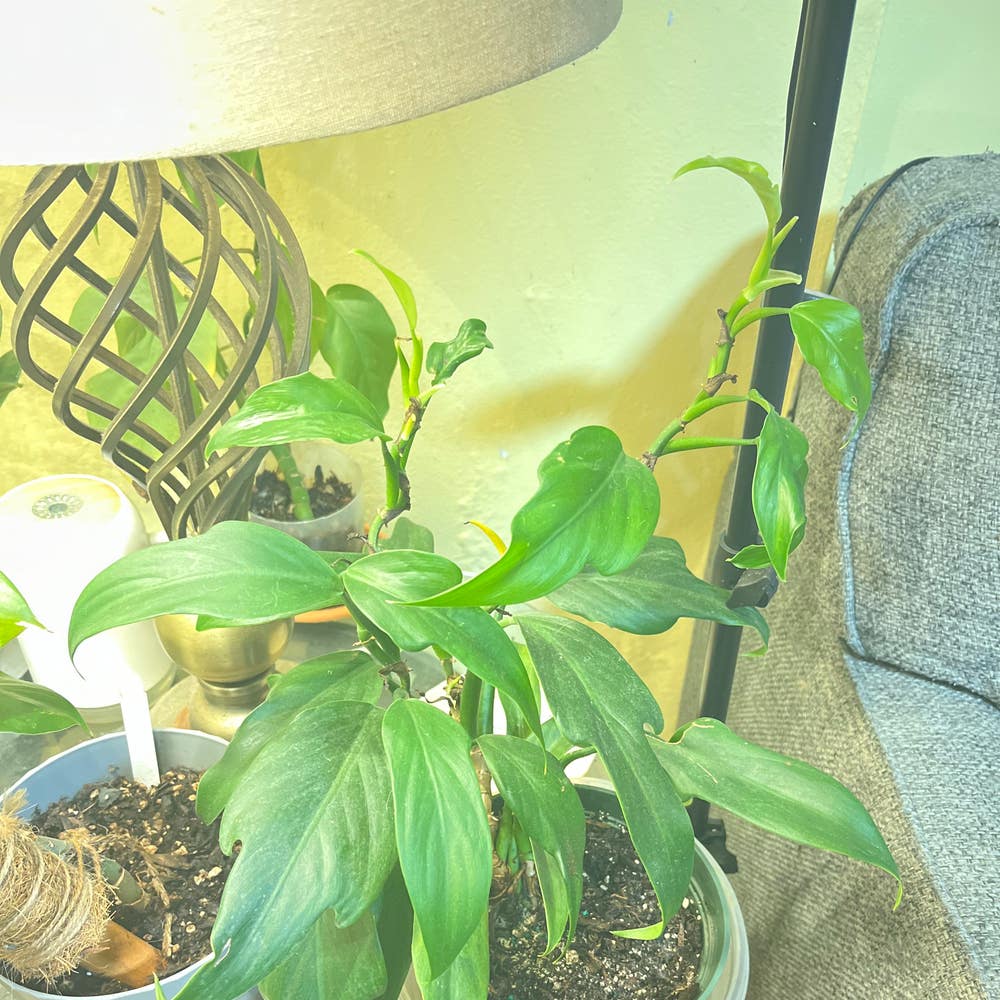
Optimal Hardiness Zones for Fiddleleaf Philodendron: 10a-12b 🌳
Philodendron panduriforme
By the Greg Editorial Team
Sep 28, 2024•4 min read
This article was created with the help of AI so we can cover more plants for you. May contain errors. See one? Report it here.
- 🌱 Fiddleleaf Philodendrons thrive in hardiness zones 10a to 12b for optimal growth.
- 🌡️ Ideal temperatures range from 60°F to 85°F; avoid frost below 50°F.
- 💧 High humidity is essential; coastal areas like Florida and California are perfect!
Temperature Tolerance
❄️ Cold Tolerance Specifics
Fiddleleaf Philodendrons thrive best in a cozy temperature range of 60°F to 85°F (15°C to 29°C). They are sensitive to frost, suffering damage when temperatures dip below 50°F (10°C).
Watch for signs of frost damage, such as wilting leaves and browning edges. These indicators can help you act quickly to protect your plant.
🔥 Heat Tolerance Specifics
On the flip side, these tropical beauties can handle heat, thriving in temperatures up to 90°F (32°C) as long as humidity levels are adequate. However, extreme heat can lead to leaf scorch and stunted growth if the air is too dry.
Maintaining a humid environment is crucial for keeping your Fiddleleaf Philodendron happy and healthy. With the right conditions, it can flourish in warmer climates.
Understanding these temperature tolerances is essential for successful cultivation. Next, let’s explore the ideal growing regions for your Fiddleleaf Philodendron.
Ideal Growing Regions
🌍 Examples of US States in Suitable Zones (10a-12b)
When it comes to the Fiddleleaf Philodendron, certain states stand out as havens for this tropical beauty.
California: The coastal regions enjoy mild winters, making it a prime location for these plants to thrive.
Florida: Known for its warm, humid climate, Florida provides an ideal environment for tropical plants like the Fiddleleaf Philodendron.
Texas: Particularly in the southern regions near the coast, Texas offers favorable conditions that support the growth of this lush plant.
🌱 Factors Contributing to Ideal Growing Conditions
To truly flourish, the Fiddleleaf Philodendron needs specific environmental factors.
Warm temperatures year-round: Consistent warmth is crucial for optimal growth and health.
High humidity levels: This mimics the plant's native tropical environments, allowing it to thrive.
Protection from frost: Avoiding the first and last frost dates is vital to prevent damage and ensure healthy growth.
Understanding these ideal growing regions and conditions can help you cultivate a thriving Fiddleleaf Philodendron. With the right environment, this plant can become a stunning centerpiece in your home or garden.
As we explore further, let’s dive into how microclimates can impact the growth of this tropical gem.
Microclimates and Their Impact
🌦️ Explanation of Microclimates
Microclimates are localized climate conditions that can differ significantly from the surrounding areas. For instance, regions near bodies of water, sheltered valleys, or urban heat islands often create unique environments that can be more favorable for certain plants.
🌱 How Microclimates Can Extend Growing Range
Microclimates can be a game-changer for growing Fiddleleaf Philodendron, allowing them to thrive outside typical hardiness zones.
- Benefits of Microclimates: These localized conditions can provide warmth and humidity, essential for the plant's growth.
- Strategies for Utilizing Microclimates: Consider planting in protected areas or near walls that can retain heat, creating a cozy environment for your Fiddleleaf Philodendron.
By understanding and leveraging microclimates, you can expand your gardening possibilities and enjoy lush greenery even in less-than-ideal conditions. This knowledge sets the stage for exploring state-level suitability, where we can dive deeper into which regions are best for these tropical beauties.
State-Level Suitability Analysis
🌟 Suitable States
When it comes to growing Fiddleleaf Philodendron, certain states shine as ideal havens.
- California: With its Zones 10a-12b, California offers coastal conditions that provide the warmth and humidity these plants crave.
- Florida: Known for its consistent warmth and high humidity, Florida creates a tropical paradise perfect for Fiddleleaf Philodendron.
- Texas: Southern regions of Texas boast favorable conditions, making it another great spot for these lush plants.
❌ Unsuitable States and Reasons
Not every state can provide the right environment for Fiddleleaf Philodendron.
- North Dakota: This state is simply too cold, with harsh winters and frequent frost that can damage delicate plants.
- Montana: Low temperatures and short growing seasons make it a challenging place for tropical plants to thrive.
- Maine: Known for its frost-prone climate, Maine is unsuitable for Fiddleleaf Philodendron, which prefers warmer conditions.
Understanding why these states fall outside the suitable range is crucial.
- Average Minimum Temperatures: States like North Dakota and Montana experience average lows that dip well below the 60°F threshold.
- Frost Occurrences: Frequent frost events in these regions can severely hinder growth and damage the plant.
- Overall Climate Conditions: The combination of cold winters and short growing seasons in these states makes them inhospitable for tropical plants.
In summary, choosing the right state is essential for nurturing your Fiddleleaf Philodendron. Next, let’s explore how microclimates can influence growing conditions, even in less-than-ideal areas.
⚠️ Safety First
This content is for general information and may contain errors, omissions, or outdated details. It is not medical, veterinary advice, or an endorsement of therapeutic claims.
Always consult a qualified healthcare professional before using any plant as food, medicine, or supplement.
Never eat any plant (or feed one to pets) without confirming its identity with at least two trusted sources.
If you suspect poisoning, call Poison Control (800) 222-1222, the Pet Poison Helpline (800) 213-6680, or your local emergency service immediately.
Spotted an error? Please report it here.
Ensure your Fiddleleaf Philodendron thrives beautifully 🌿 by using Greg's tailored care reminders to create the perfect environment for your plant's unique needs!