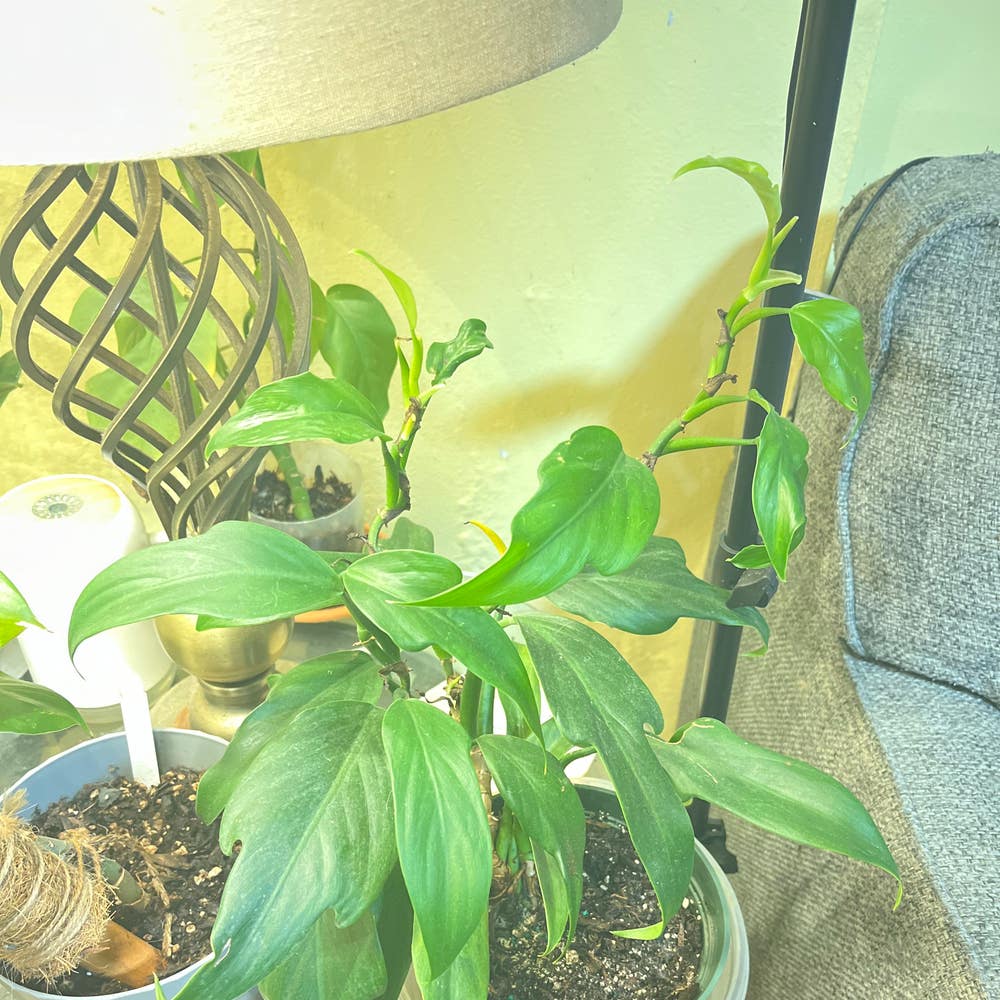
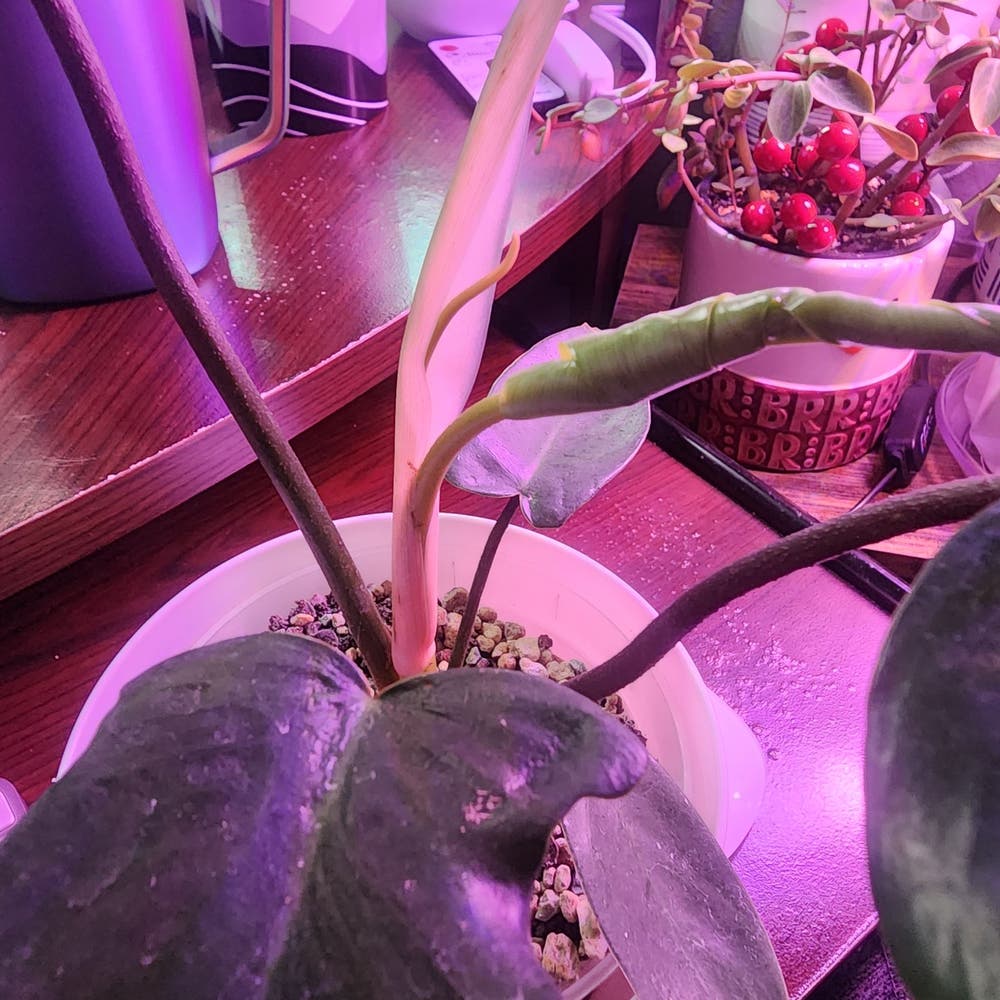
🐝 4 Tips for Pollinating Fiddleleaf Philodendron
Philodendron panduriforme
By the Greg Editorial Team
Sep 28, 2024•6 min read
This article was created with the help of AI so we can cover more plants for you. May contain errors. See one? Report it here.
- 🌼 Fiddleleaf Philodendron flowers self-pollinate, ensuring reproduction without external help.
- 🐝 Cross-pollination boosts genetic diversity, enhancing resilience to environmental changes.
- 🌿 Hand pollination increases seed production, vital for the plant's lifecycle and survival.
Flower Structure
Description of Characteristics 🌼
The Fiddleleaf Philodendron boasts a unique flower structure, primarily characterized by its inflorescence shape. This typically features a spadix, which is a thick spike, surrounded by a protective spathe.
In terms of color, these flowers usually present variations of white or cream. The arrangement of petals, sepals, stamens, and pistils is crucial, as it plays a significant role in the plant's reproductive success.
Role in Pollination 🐝
The flower structure of the Fiddleleaf Philodendron is designed to facilitate both self-pollination and cross-pollination. This adaptability ensures that the plant can reproduce effectively, even in varying environmental conditions.
Moreover, the characteristics of the flowers are vital for attracting pollinator species. The combination of shape, color, and arrangement draws in bees, butterflies, and other beneficial insects, enhancing the chances of successful pollination.
Understanding these elements not only enriches your appreciation of the Fiddleleaf Philodendron but also highlights the intricate relationships between plants and their pollinators.
As we delve deeper into the pollination process, we’ll explore how these flowers interact with their environment to ensure their survival and reproduction.
Pollination Process
Self-Pollination 🌱
Self-pollination in the Fiddleleaf Philodendron is a fascinating process. This plant can fertilize itself, ensuring reproduction even in the absence of external pollinators.
The benefits of self-pollination are significant. It allows for reliable seed production, which is crucial for the plant's survival and propagation.
Cross-Pollination 🐝
Cross-pollination plays a vital role in enhancing genetic diversity. This diversity is essential for the resilience of the species, allowing it to adapt to changing environments.
Primary pollinators for the Fiddleleaf Philodendron include bees, butterflies, moths, and even hummingbirds. These creatures are attracted to the plant through its sweet scent and unique flower structure, which are designed to entice them.
Understanding these processes not only enriches our knowledge but also highlights the intricate relationships between plants and their pollinators. Next, we’ll explore the natural mechanisms that facilitate pollen transfer and their importance in the reproductive cycle.
Natural Pollination Mechanisms
🌼 Pollen Transfer
Natural pollen transfer is a fascinating process that relies heavily on pollinators. Insects like bees and butterflies, along with the wind, play crucial roles in moving pollen from one flower to another.
Pollinators are attracted to the Fiddleleaf Philodendron's unique flower structure, which includes a spadix surrounded by a spathe. This design not only houses the pollen but also makes it accessible for visiting insects, ensuring effective transfer.
🌱 Importance for Reproduction
Successful pollination is vital for the reproductive success of the Fiddleleaf Philodendron. It leads to seed production, which is essential for the plant's lifecycle.
Moreover, effective pollination contributes to genetic diversity. This diversity enhances the plant's resilience, allowing it to adapt to changing environmental conditions and thrive in various habitats.
Understanding these natural mechanisms can help you appreciate the intricate relationships between plants and their pollinators. As we delve deeper into how to support these vital creatures, you'll see how small changes can make a big difference in your garden.
Hand Pollination Techniques
Hand pollination can be a rewarding way to ensure your Fiddleleaf Philodendron thrives. Here’s a straightforward guide to help you navigate the process.
Step 1: Identify Male and Female Flower Parts 🌸
First, you'll need to distinguish between the male and female flower parts. The male components are the stamens, which produce pollen, while the female parts are the pistils, designed to receive that pollen.
Step 2: Collecting Pollen 🧹
Next, gather the pollen. A small brush or cotton swab works wonders for this task. Simply dip it into the pollen-laden stamens to collect a sufficient amount.
Step 3: Transferring Pollen 🔄
Now, it’s time to transfer the pollen. Gently apply the collected pollen to the stigma of the female flower. This step is crucial for successful fertilization.
Step 4: Timing ⏰
Timing is everything! Perform this hand pollination during peak flowering periods for the best results. This is when the flowers are most receptive.
Hand pollination not only boosts your plant's reproductive success but also deepens your connection with it. By taking these steps, you can play an active role in your Fiddleleaf Philodendron's growth journey.
Next, let’s explore how to create a pollinator-friendly environment that supports these beautiful plants.
Supporting Pollinators
🌼 Creating a Pollinator-Friendly Environment
Designing a garden that attracts pollinators is both rewarding and essential. Start by planting native flowers and herbs; these plants are naturally suited to your local ecosystem and provide the best food sources for pollinators.
Additionally, providing water sources and shelter can make your garden a haven for bees, butterflies, and other beneficial insects. Simple features like birdbaths or small ponds can be incredibly inviting.
🌱 Companion Plants
Companion planting can significantly enhance pollination success. Consider adding marigolds, which not only attract pollinators but also deter pests.
Lavender is another excellent choice; its fragrant blooms draw in bees and butterflies alike. Lastly, bee balm offers vibrant colors and a rich nectar source, making it a favorite among various pollinators.
By incorporating these elements, you’ll create a thriving environment that supports pollinators and boosts the health of your Fiddleleaf Philodendron.
As you cultivate this ecosystem, remember that every small effort contributes to a larger impact on biodiversity and plant health.
Pollination Challenges and Solutions
Common Obstacles 🌪️
Pollination success can be hindered by several environmental factors. Temperature fluctuations, humidity levels, and a lack of pollinators are the primary culprits.
- Temperature Fluctuations: Extreme heat or cold can disrupt the flowering cycle.
- Humidity Levels: Low humidity can dry out flowers, making them less attractive to pollinators.
- Lack of Pollinators: Urbanization and pesticide use have led to declining pollinator populations.
Solutions 💡
Fortunately, there are effective strategies to mitigate these challenges. Adjusting indoor conditions and enhancing your garden can make a significant difference.
- Adjust Indoor Conditions: Maintain stable humidity and temperature levels to create a conducive environment for flowering.
- Plant Diverse Flora: Incorporate a variety of pollinator-attracting plants to draw in bees, butterflies, and other beneficial insects.
Impact of Environmental Factors 🌍
Specific conditions can either hinder or enhance the pollination process. For instance, consistent temperatures and adequate humidity promote healthy flower development.
Monitoring these environmental factors is crucial for optimal plant health. Keeping an eye on conditions can lead to better pollination outcomes and a thriving Fiddleleaf Philodendron.
With the right strategies in place, you can create an environment that supports successful pollination and fosters a vibrant ecosystem.
⚠️ Safety First
This content is for general information and may contain errors, omissions, or outdated details. It is not medical, veterinary advice, or an endorsement of therapeutic claims.
Always consult a qualified healthcare professional before using any plant as food, medicine, or supplement.
Never eat any plant (or feed one to pets) without confirming its identity with at least two trusted sources.
If you suspect poisoning, call Poison Control (800) 222-1222, the Pet Poison Helpline (800) 213-6680, or your local emergency service immediately.
Spotted an error? Please report it here.
Boost your Fiddleleaf Philodendron's pollination success 🌼 with Greg's tailored care tips and reminders, ensuring your plant thrives while supporting the ecosystem!