4 Ideal Locations to Plant Your Dorstenia 🥄
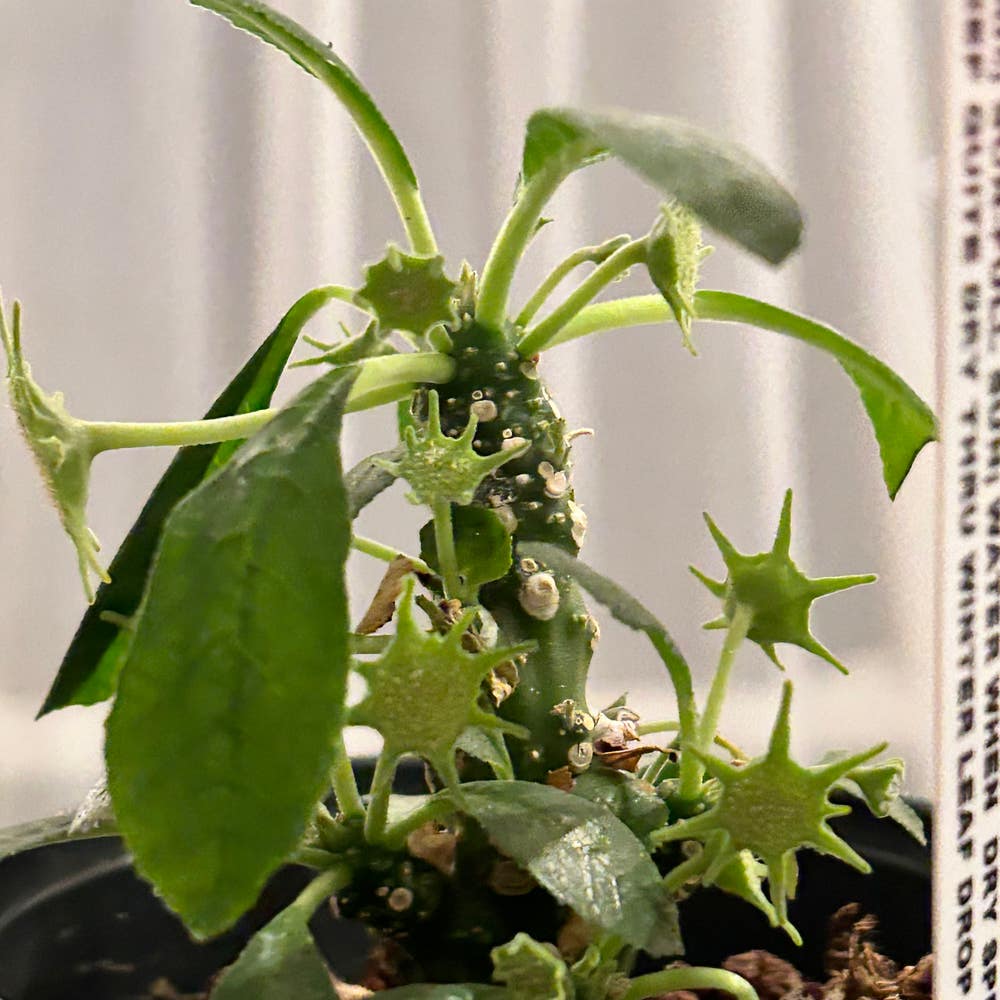
Dorstenia gigas
By the Greg Editorial Team
Sep 30, 2024•4 min read
This article was created with the help of AI so we can cover more plants for you. May contain errors. See one? Report it here.
Master sunlight, soil, and space 🌱 to help your Dorstenia thrive and transform your garden into a vibrant oasis!
- ☀️ Dorstenia needs 4-6 hours of sunlight; morning sun is best for growth.
- 🌱 Well-draining sandy or loamy soil is essential for healthy Dorstenia.
- 🌬️ Protect from strong winds by planting near walls for optimal growth conditions.
Sunlight Exposure
Full Sun vs. Partial Shade 🌞
Dorstenia plants are quite adaptable, able to tolerate partial shade, but they truly thrive with some direct sunlight. Aim for 4-6 hours of direct sunlight daily to keep your Dorstenia healthy and vibrant.
Assessing Light Conditions 🔍
To determine the best light conditions for your Dorstenia, consider using a light meter or simply observe sunlight patterns throughout the day.
Identify areas that bask in morning sun, as these gentler rays are preferable for your plant.
Also, keep an eye on nearby structures or trees that might cast shadows during peak sunlight hours, potentially limiting your plant's exposure.
By carefully assessing these factors, you can create an ideal environment for your Dorstenia to flourish.
This attention to sunlight will set the stage for the next crucial aspect: soil type and conditions.
Soil Type and Conditions
🌱 Preferred Soil Types
For your Dorstenia to flourish, well-draining soil is a must. These plants thrive in sandy or loamy conditions, where moisture can escape easily.
The ideal soil pH for Dorstenia ranges from slightly acidic to neutral, specifically between 6.0 and 7.0. This range ensures that the plant can absorb nutrients effectively.
🚰 Soil Drainage and Amendments
To check your soil's drainage, conduct a simple percolation test. Dig a hole, fill it with water, and observe how quickly it drains; this will give you insight into its drainage capabilities.
If your soil struggles with drainage, consider amending it with perlite or coarse sand. This will enhance aeration and prevent water from pooling, which is crucial since Dorstenia is sensitive to waterlogged conditions.
Avoid heavy clay soils, as they retain moisture and can lead to root rot. Keeping your Dorstenia happy starts with the right soil conditions!
With the right soil type and drainage in place, your Dorstenia will be well on its way to thriving. Next, let’s explore how to position your plants for optimal growth.
Proximity to Other Plants and Structures
🌱 Companion Planting Considerations
Choosing the right companion plants for your Dorstenia can make a world of difference. Opt for drought-tolerant species that won’t compete for nutrients or water, ensuring a harmonious garden environment.
Examples of ideal companions include succulents, ornamental grasses, and other drought-resistant plants. These selections not only complement Dorstenia’s needs but also create an aesthetically pleasing landscape.
🚫 Avoiding Overcrowding
Spacing is crucial when planting Dorstenia. Maintain at least 12-18 inches between your Dorstenia and other plants to prevent competition for resources.
Keep an eye on the growth habits of nearby plants. This vigilance ensures that they won’t overshadow your Dorstenia, allowing it to thrive in its designated space.
By carefully considering plant proximity, you can create a flourishing garden that showcases the beauty of Dorstenia while promoting healthy growth.
Next, let’s explore how to assess your space for optimal planting conditions.
Assessing Your Space
🌡️ Evaluating Microclimates
Microclimates can significantly impact your Dorstenia's growth. Look for areas that may be warmer or cooler due to nearby structures or vegetation.
Utilizing these microclimates can enhance your plant's health, especially in cooler climates. A little observation can go a long way in optimizing your garden's potential.
🌬️ Identifying Wind Protection Needs
Wind exposure is another crucial factor to consider. Locate areas sheltered from strong winds, as these can damage your Dorstenia.
Planting near walls, fences, or other structures can provide the necessary windbreaks. This simple step can make a big difference in your plant's resilience.
💧 Analyzing Drainage Patterns
Water flow in your garden is essential to assess. Observe how rainwater moves through your space and identify low spots where water may pool.
Choosing elevated planting locations or areas with natural drainage will help prevent waterlogging. This is vital for keeping your Dorstenia thriving and healthy.
By carefully evaluating these aspects of your space, you can create an ideal environment for your Dorstenia. Next, let’s explore the differences between indoor and outdoor planting to ensure your plant gets the best care possible.
Indoor vs. Outdoor Planting
Best Indoor Locations 🌞
For indoor planting, position your Dorstenia near south or west-facing windows. These spots provide the ample sunlight that this plant craves.
If natural light falls short, consider supplementing with grow lights. This ensures your Dorstenia receives the brightness it needs to thrive.
Outdoor Site Selection Tips 🌳
When planting outdoors, prioritize areas with good air circulation. This helps prevent fungal issues that can plague your plants.
Additionally, choose locations that are not prone to flooding or standing water after heavy rains. Proper drainage is crucial for keeping your Dorstenia healthy and happy.
By carefully selecting your planting locations, whether indoors or outdoors, you set the stage for vibrant growth. Next, let’s explore how to assess your space for optimal Dorstenia planting.
⚠️ Safety First
This content is for general information and may contain errors, omissions, or outdated details. It is not medical, veterinary advice, or an endorsement of therapeutic claims.
Always consult a qualified healthcare professional before using any plant as food, medicine, or supplement.
Never eat any plant (or feed one to pets) without confirming its identity with at least two trusted sources.
If you suspect poisoning, call Poison Control (800) 222-1222, the Pet Poison Helpline (800) 213-6680, or your local emergency service immediately.
Spotted an error? Please report it here.
Ensure your Dorstenia thrives with optimal sunlight and drainage 🌱 by using Greg's tailored tips and reminders to create the perfect planting environment!