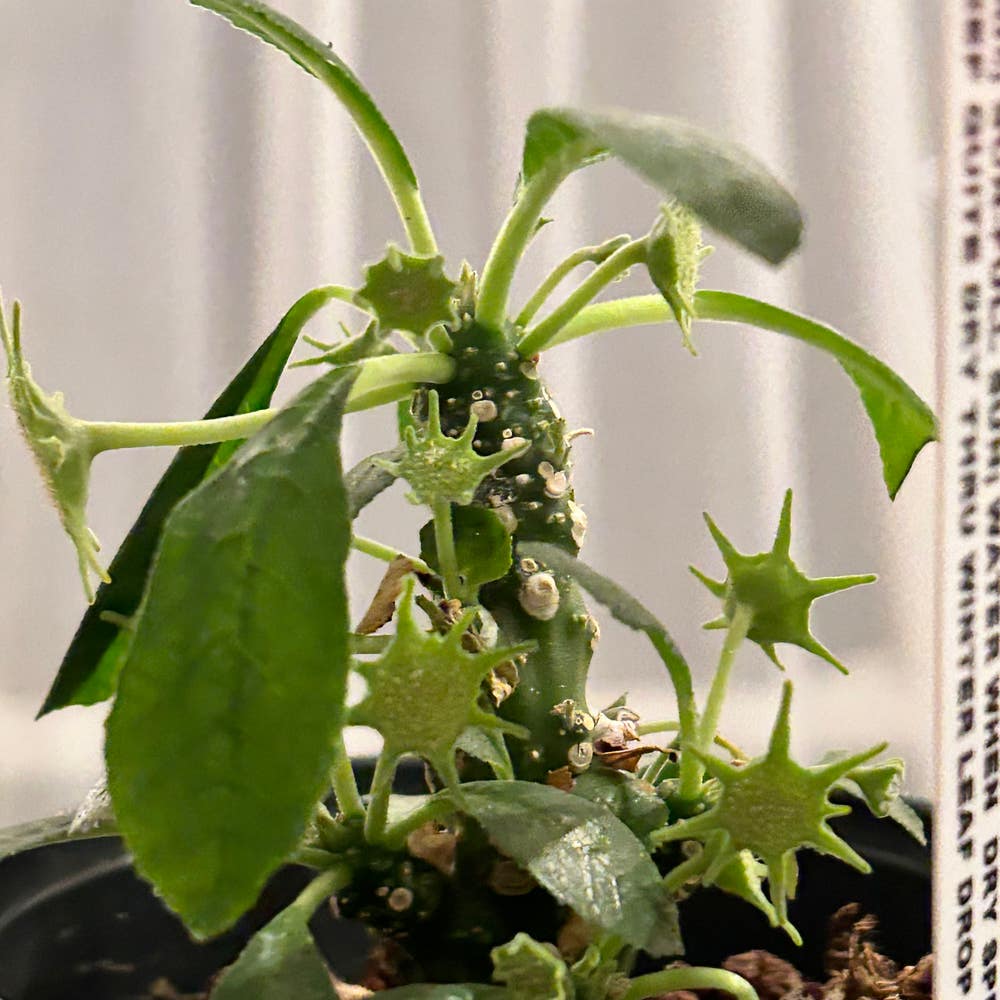
🤝 6 Ideal Companions for Your Dorstenia
Dorstenia gigas
By the Greg Editorial Team
Sep 30, 2024•4 min read
This article was created with the help of AI so we can cover more plants for you. May contain errors. See one? Report it here.
Elevate your garden's beauty 🌿 and health by pairing Dorstenia with ideal companion plants for pest control!
- 🌼 Aloe Vera and Marigolds repel pests while enhancing Dorstenia's visual appeal.
- 🌱 Sedum and Echeveria thrive alongside Dorstenia, sharing water needs and vibrant colors.
- 🐞 Companion planting boosts pest management and creates a thriving garden ecosystem.
Ideal Companions for Dorstenia
🌱 Aloe Vera
Aloe Vera is a fantastic companion for Dorstenia, thriving in well-drained soil and bright light. Its pest-repellent properties help deter common nuisances like aphids, while its unique leaf structure adds visual appeal that complements Dorstenia's form.
🌵 Sedum
Sedum is another excellent choice, known for its drought tolerance. This plant shares similar water requirements with Dorstenia and attracts pollinators, enhancing the ecosystem around your garden while adding varied textures with its fleshy leaves.
🌼 Echeveria
Echeveria thrives under similar growth conditions, preferring bright, indirect light and well-drained soil. With a stunning array of colors, it contrasts beautifully with Dorstenia and requires minimal care, making it an ideal companion for any gardener.
🌸 Marigold
Marigolds are not just pretty; they also serve a purpose. Their pest-repellent properties deter nematodes and other harmful insects, while their bright colors add vibrant visual appeal to your garden, enhancing the health of nearby plants through companion planting benefits.
🌿 Lavender
Lavender brings aromatic qualities that deter pests like mosquitoes and flies. It thrives in similar drought conditions as Dorstenia, offering a contrasting color and texture that enriches the overall aesthetic of your garden.
🍃 Thyme
Thyme serves as a wonderful ground cover, helping to retain soil moisture and suppress weeds. It attracts beneficial insects that prey on pests, and for those who enjoy cooking, it provides additional culinary benefits right from your garden.
These companions not only enhance the beauty of your Dorstenia but also contribute to a healthier garden ecosystem. Next, we’ll explore how these plants can help with pest management, ensuring your Dorstenia thrives.
Pest Management
How Companion Plants Help with Pest Management 🌱
Companion plants play a vital role in pest management by acting as natural deterrents. Many of them repel pests through their scent or chemical properties, creating a protective barrier around your Dorstenia.
Additionally, certain plants attract beneficial insects that prey on harmful pests. This symbiotic relationship enhances the overall health of your garden.
Specific Pests That Dorstenia May Face 🐜
Dorstenia can encounter several common pests, including aphids, spider mites, and mealybugs. Keeping an eye out for signs of infestation is crucial; look for yellowing leaves, stunted growth, and webbing.
These indicators can signal that your plant is under attack, necessitating immediate action to protect it.
Companion Plants That Deter Pests 🌼
Several companion plants are particularly effective at deterring pests:
- Marigold: Known for its ability to combat nematodes and aphids, marigolds are a colorful addition to your garden.
- Lavender: This aromatic herb not only smells delightful but also repels mosquitoes and flies, keeping your garden pest-free.
- Thyme: Beyond its culinary uses, thyme attracts predatory insects that help control pest populations.
Incorporating these plants into your garden can create a harmonious environment, ensuring your Dorstenia thrives.
By understanding how companion planting can aid in pest management, you can cultivate a healthier garden ecosystem. Next, let’s explore the visual appeal of companion planting with Dorstenia.
Visual Appeal
🌿 Aesthetic benefits of companion planting with Dorstenia
Companion planting with Dorstenia can significantly enhance your garden's design. By incorporating a variety of plant forms, you create a visually appealing landscape that draws the eye.
Another advantage is the opportunity for vibrant color combinations. Pairing Dorstenia with bright flowers and textured foliage can transform your garden into a lively oasis.
🎨 Color and texture combinations with companion plants
Contrasting colors can make a striking impact. Bright marigolds or lavender against the lush green of Dorstenia create a stunning visual contrast.
Additionally, varied textures add depth to your garden. Combining the fleshy leaves of succulents with the delicate foliage of herbs can create a rich tapestry that captivates the senses.
Incorporating these elements not only beautifies your space but also fosters a thriving ecosystem. As you explore companion planting, consider how these combinations can elevate your gardening experience.
Plants to Avoid
🌱 Heavy Feeders
Certain plants, like tomatoes and peppers, are heavy feeders. They compete aggressively for nutrients, which can stunt the growth of your Dorstenia.
💧 Moisture-Loving Plants
Ferns and some grasses thrive in moist conditions. Planting these near Dorstenia can lead to overwatering issues, as Dorstenia prefers well-drained soil.
🚫 Reasons for Avoidance
⚔️ Competition for Nutrients
When heavy feeders are nearby, they can deplete the soil of essential nutrients. This competition can hinder the healthy growth of your Dorstenia.
🐛 Pest Attraction
Some plants may attract pests that could harm Dorstenia. Keeping these plants at bay helps maintain a healthier garden ecosystem.
By being mindful of what you plant alongside your Dorstenia, you can ensure it thrives beautifully. Next, let’s explore how companion plants can aid in pest management.
⚠️ Safety First
This content is for general information and may contain errors, omissions, or outdated details. It is not medical, veterinary advice, or an endorsement of therapeutic claims.
Always consult a qualified healthcare professional before using any plant as food, medicine, or supplement.
Never eat any plant (or feed one to pets) without confirming its identity with at least two trusted sources.
If you suspect poisoning, call Poison Control (800) 222-1222, the Pet Poison Helpline (800) 213-6680, or your local emergency service immediately.
Spotted an error? Please report it here.
Enhance your Dorstenia garden's beauty and health with smart companion planting 🌿, and let Greg guide you with tailored care tips and pest alerts for a flourishing ecosystem!