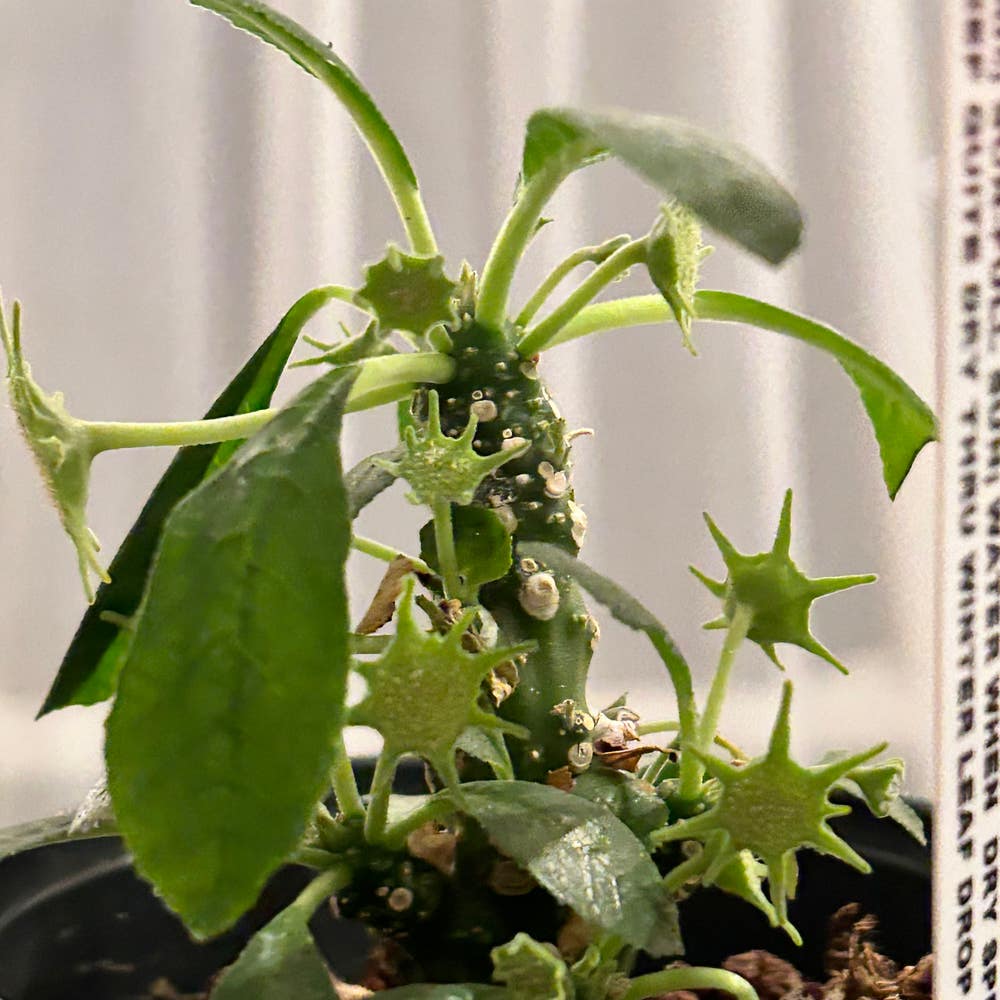
🐞 What's Eating Your Dorstenia
Dorstenia gigas
By the Greg Editorial Team
Sep 30, 2024•7 min read
This article was created with the help of AI so we can cover more plants for you. May contain errors. See one? Report it here.
Safeguard your Dorstenia from hungry herbivores 🦌 with these smart strategies for a thriving garden! 🌱
- 🌱 Dorstenia attracts herbivores like deer and rabbits, threatening its health.
- 🦌 Signs of damage include hoof prints and cleanly cut stems; monitor regularly.
- 🛡️ Effective deterrents include fencing, repellents, and companion planting for protection.
Appearance and Appeal
🌿 Description
Dorstenia is a captivating plant with unique characteristics. Its fleshy leaves and distinctive inflorescences make it stand out in any garden.
This low-growing plant often spreads, creating a lush ground cover. The green leaves can also exhibit variegation, adding to its visual appeal.
🐾 Most Appealing Parts to Animals
The fruits of Dorstenia are sweet and fleshy, making them irresistible to various herbivores. These fruits not only attract animals but also contribute to the plant's reproductive success.
Additionally, the nectar-rich flowers draw in pollinators and some herbivores. Young shoots are particularly tender and nutritious, making them highly sought after by animals.
Understanding these appealing features can help gardeners protect their Dorstenia from potential threats. With this knowledge, you can take proactive steps to ensure your plant thrives amidst its natural allure.
Common Herbivores Affecting Dorstenia
🦌 Deer
Signs of Presence and Damage
Look for hoof prints in the soil around your Dorstenia. Irregularly shaped leaf edges and stripped foliage are clear signs of deer browsing.
Beneficial vs. Harmful Interactions
While deer can be a part of the ecosystem, their impact is generally harmful. Without management, they can decimate plant populations.
Deterrent Methods
To keep deer at bay, consider using commercial deer repellents. Planting deer-resistant species nearby or using human hair and soap shavings can also help deter these herbivores.
🐇 Rabbits
Signs of Presence and Damage
Rabbits leave small, round tracks near the base of the plant. Look for cleanly cut stems and leaves, often at a 45-degree angle, indicating their presence.
Beneficial vs. Harmful Interactions
Rabbits are generally harmful to Dorstenia, leading to significant plant damage. Their appetite can quickly turn a thriving plant into a mere shadow.
Deterrent Methods
Bitter-tasting sprays can act as effective chemical deterrents. For a more organic approach, consider fencing that’s 2-3 feet high or using repellents like cayenne pepper.
🐿️ Squirrels
Signs of Presence and Damage
Squirrels often leave chewing marks on stems and leaves. You might also find signs of nests in nearby trees, indicating their close proximity.
Beneficial vs. Harmful Interactions
Squirrels are generally harmful, especially to young plants and fruits. Their gnawing can stunt growth and reduce yields.
Deterrent Methods
Commercial squirrel repellents can be effective. Alternatively, scare tactics like reflective tape or noise-makers can help keep them away.
🐦 Birds
Signs of Presence and Damage
Pecking marks on leaves or fruits are a telltale sign of birds. You may also notice droppings near the plant, indicating their frequent visits.
Beneficial vs. Harmful Interactions
Birds have mixed interactions with Dorstenia. While some may help with pollination, others can damage fruits.
Deterrent Methods
Non-toxic bird repellents can deter unwanted visitors. Using netting to protect fruits or placing reflective objects nearby can also help.
🐭 Rodents (Mice, Voles, etc.)
Signs of Presence and Damage
Look for tunnels or burrows in the soil around your plant. Gnawed roots and stems are clear indicators of rodent activity.
Beneficial vs. Harmful Interactions
Rodents are generally harmful, as they can weaken or even kill the plant. Their presence is often a sign that immediate action is needed.
Deterrent Methods
Rodent bait stations can serve as chemical deterrents. For an organic approach, traps or planting deterrent plants like mint can be effective.
🦡 Groundhogs/Woodchucks
Signs of Presence and Damage
Groundhogs leave large burrows near the plant. Look for significant chewing on stems and leaves as evidence of their feeding.
Beneficial vs. Harmful Interactions
These animals are generally harmful and can cause extensive damage to Dorstenia. Their appetite can lead to rapid plant decline.
Deterrent Methods
Commercial groundhog repellents can help manage their presence. Fencing that’s at least 3 feet high and buried underground is another effective strategy.
Understanding these common herbivores and their impacts on Dorstenia is crucial for maintaining healthy plants. By implementing effective deterrent methods, you can protect your garden and ensure your Dorstenia thrives.
Beneficial Animals and Ecological Role
Positive Impacts 🐝
Dorstenia plants thrive not just in isolation but within a vibrant ecosystem. Pollinators like bees and butterflies play a crucial role in their reproduction, ensuring these unique plants can flourish.
These busy insects transfer pollen from flower to flower, enhancing genetic diversity. This interaction is vital for the health of the Dorstenia population.
Natural Pest Control 🦗
In addition to pollinators, predatory insects contribute significantly to the ecological balance. They help keep harmful pest populations in check, reducing the need for chemical interventions.
By maintaining this natural order, these beneficial creatures support the overall health of the garden. Their presence is a reminder of the interconnectedness of life and the importance of fostering a balanced ecosystem.
Understanding these positive interactions can inspire gardeners to create environments that attract these helpful animals. By doing so, you not only protect your Dorstenia but also contribute to a thriving habitat.
As we explore further, let’s consider the general strategies for protecting these plants from herbivores while promoting beneficial relationships.
General Strategies for Protection
🛡️ Preventive Measures
Fencing is one of the most effective ways to keep larger herbivores away from your Dorstenia. A sturdy barrier, ideally at least 3 feet high, can deter deer and groundhogs from munching on your plants.
Companion planting is another smart strategy. By surrounding your Dorstenia with plants that herbivores dislike, you can create a natural deterrent. Consider using strong-smelling herbs or flowers that repel these animals.
⚠️ Reactive Solutions
Regular monitoring is crucial for early detection of damage. Keep an eye out for signs like chewed leaves or unusual tracks around your plants.
When you spot any signs of herbivore activity, act quickly. Implement deterrents immediately to minimize damage and protect your Dorstenia.
🌱 Balancing Ecosystem Health
Understanding the role of herbivores in the ecosystem is essential. While they can be damaging, they also contribute to the balance of nature.
Using integrated pest management strategies helps minimize harm while respecting the ecosystem. This approach allows you to protect your plants without completely disrupting the natural order.
By employing these strategies, you can safeguard your Dorstenia while maintaining a healthy garden environment. Next, let’s explore seasonal considerations that can affect herbivore activity and plant vulnerability.
Seasonal Considerations
🦌 Variations in Animal Attraction
As the seasons shift, so does the activity of herbivores around your Dorstenia. In spring, animals emerge from hibernation, leading to increased foraging as they seek out tender new growth.
Summer marks peak feeding times for many herbivores. This is when your Dorstenia's lush foliage becomes particularly appealing, making it essential to stay vigilant.
⏰ Timing of Vulnerability
Young shoots are at their most vulnerable in early spring. These tender greens are a favorite snack for many animals, so protecting them is crucial during this period.
As summer transitions to fall, the fruits of the Dorstenia attract a variety of animals. This is when you’ll notice increased activity, as herbivores are drawn to the sweet, fleshy offerings.
Understanding these seasonal patterns can help you better protect your plants and enjoy their beauty throughout the year. With this knowledge, you can implement effective strategies to safeguard your Dorstenia from potential threats.
Toxicity and Safety
Toxic Effects 🌿
Dorstenia plants exhibit mild toxicity, which can serve as a natural deterrent for some herbivores. This characteristic helps protect the plant from excessive grazing, allowing it to thrive in its environment.
Implications for Animal Interactions 🐾
Understanding the toxicity levels of Dorstenia is crucial for managing animal interactions. While some animals may avoid these plants due to their mild toxicity, others might not be deterred, leading to varying impacts on plant health.
By recognizing which animals are affected, gardeners can better strategize their protective measures. This knowledge empowers you to create a balanced ecosystem where Dorstenia can flourish while minimizing damage from herbivores.
As you consider the role of toxicity in your gardening practices, remember that it’s just one piece of the puzzle. The interplay between plants and animals is intricate, and being informed can lead to healthier, more resilient gardens.
Next, we’ll explore general strategies for protecting your Dorstenia from herbivores effectively.
⚠️ Safety First
This content is for general information and may contain errors, omissions, or outdated details. It is not medical, veterinary advice, or an endorsement of therapeutic claims.
Always consult a qualified healthcare professional before using any plant as food, medicine, or supplement.
Never eat any plant (or feed one to pets) without confirming its identity with at least two trusted sources.
If you suspect poisoning, call Poison Control (800) 222-1222, the Pet Poison Helpline (800) 213-6680, or your local emergency service immediately.
Spotted an error? Please report it here.
Protect your Dorstenia from hungry herbivores with smart monitoring and effective deterrents, and let Greg guide you with tailored care tips to keep your plant flourishing all year round! 🛡️🌱