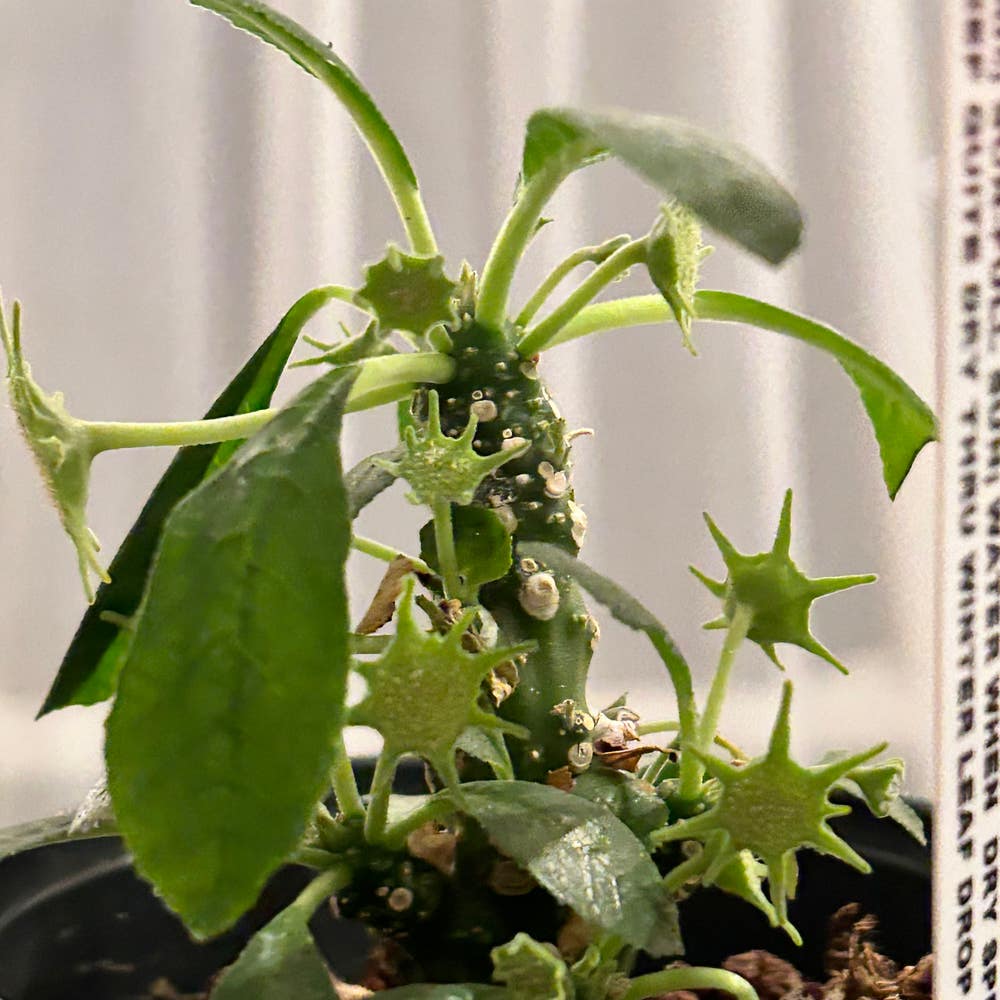
Best Tips for Healthy Dorstenia Roots 🥕
Dorstenia gigas
By the Greg Editorial Team
Sep 30, 2024•6 min read
This article was created with the help of AI so we can cover more plants for you. May contain errors. See one? Report it here.
Master Dorstenia root care for vibrant growth and resilience in your plants! 🌱✨
- 🌱 Healthy Dorstenia roots enhance nutrient absorption and prevent root rot.
- 💧 Water every 1-2 weeks and ensure proper drainage for optimal root health.
- 🌿 Transplant in spring or summer using well-draining soil to avoid stress.
Root System Characteristics
Type of Root System 🌱
Dorstenia plants boast a fibrous root system, characterized by a dense network of thin roots. This structure allows for efficient nutrient and water absorption, making them adaptable to various soil types.
Root Depth and Spread 📏
Typically, Dorstenia roots reach a depth of 12-18 inches (30-45 cm) and can spread up to 2 feet (60 cm) in diameter. Their horizontal growth pattern enhances nutrient uptake and enables them to thrive in different soil moisture levels.
Understanding these root system characteristics is crucial for maintaining healthy Dorstenia plants. A well-established root system not only supports the plant's growth but also prepares it to withstand environmental stresses.
Watering and Fertilizing
How Root System Affects Watering Needs 🌱
Proper drainage is crucial for Dorstenia roots to thrive. Without it, you risk root rot, which can devastate your plant.
Watering should be done every 1-2 weeks, adjusting based on soil moisture. Keep an eye out for signs of overwatering, such as yellowing leaves, wilting, and mushy roots.
Fertilization Techniques Tailored to Root Health 🌿
For optimal growth, use a balanced NPK fertilizer, like 10-10-10, during the growing season. This ensures your plant gets the nutrients it needs to support its root system.
Fertilize monthly during active growth in spring and summer. To avoid root burn, dilute the fertilizer to half-strength and apply it during watering for better absorption.
Understanding these watering and fertilizing techniques will set your Dorstenia up for success. Healthy roots lead to a thriving plant, ready to face any challenges ahead.
Transplanting Techniques
Best Practices for Transplanting 🌱
Transplanting your Dorstenia roots can be a rewarding experience when done correctly. Aim for early spring or late summer to minimize stress on the plant.
Preparation is key. Choose a pot that is 1-2 inches larger in diameter than the current one. Make sure it has proper drainage holes to prevent waterlogging.
Conditions for Successful Transplanting 🌿
The right soil mix is crucial for a successful transplant. Use a well-draining potting mix, ideally with added perlite or sand for aeration.
Follow these steps for effective transplanting:
- Water the plant a day before transplanting to hydrate the roots.
- Gently remove the plant from its current pot, taking care not to damage the roots.
- Loosen any tightly bound roots to encourage growth in the new environment.
- Place the plant in the new pot and fill with soil, ensuring the roots are covered but not compacted.
By following these techniques, you can help your Dorstenia thrive in its new home. This sets the stage for healthy growth and prepares the plant for the next phase of care.
Common Root-Related Issues
🦠 Identifying Root Rot and Other Diseases
Root rot is a serious concern for Dorstenia roots. Look for dark, mushy roots, a foul odor, and wilting leaves even when you’re watering adequately.
Other issues can arise too. Pests like root aphids can wreak havoc, and fungal infections may also threaten root health.
🛠️ Solutions for Preventing and Treating Root Problems
Prevention is key to maintaining healthy roots. Always use well-draining soil and avoid overwatering to keep your plants thriving.
If problems arise, act quickly. Remove any affected roots and repot the plant in fresh soil. If necessary, apply fungicides to combat fungal infections.
By staying vigilant and proactive, you can ensure your Dorstenia roots remain healthy and robust. This sets the stage for a thriving plant, ready to flourish in your care.
Indicators of Root Health
👀 Visual Cues for Healthy vs. Unhealthy Roots
Healthy roots are a gardener's pride. They should feel firm and exhibit a white or light tan color, with minimal odor.
In contrast, unhealthy roots present a worrying sight. Look for dark, mushy textures and foul smells, which are clear signs of decay.
📊 Other Indicators of Root Health
Beyond root appearance, plant vigor is a key indicator. Lush foliage and robust growth signal that your plant is thriving.
Leaf health also plays a crucial role. Green, firm leaves indicate that the roots are functioning well, supporting the plant's overall health.
Understanding these indicators can empower you to take proactive steps in maintaining your plant's vitality. Healthy roots are the foundation for resilience against stressors like drought and pests, ensuring your plants flourish.
Recognizing and Addressing Rootbound Conditions
📏 Definition and Signs of Rootbound Conditions
Rootbound refers to a condition where roots grow in circles around the pot, limiting the plant's growth potential. You can identify this issue by observing roots emerging from the drainage holes or noticing stunted growth and wilting, even with proper care.
🛠️ When and How to Address Rootbound Issues
To keep your plants thriving, check for rootbound signs at least once a year or biannually.
- Repot into a larger container: This gives roots more space to expand.
- Trim back excessively long roots: This can help rejuvenate the plant.
- Refresh soil: Providing new nutrients can boost growth and health.
Addressing rootbound conditions promptly ensures your plants remain vibrant and healthy. With the right care, you can prevent this issue and promote robust growth.
Next, let’s explore the importance of root health in propagation and division.
Importance of Root Health in Propagation and Division
✂️ Techniques for Dividing Successfully
Dividing your Dorstenia roots at the right time is crucial for their health. The best time for division is early spring, just as the plant begins to wake from dormancy.
To ensure a successful division, follow these steps:
- Water the plant a day before division to hydrate the roots.
- Carefully remove the plant from its pot, taking care not to damage the roots.
- Gently separate the roots, ensuring each division has healthy roots and foliage.
- Replant each division in suitable soil and water lightly to encourage new growth.
🌱 Importance of Root Health in Propagation
Healthy roots are the backbone of successful propagation. They not only support the plant but also enhance its ability to thrive in new environments.
To ensure root health during propagation, consider these techniques:
- Always use clean, sharp tools to prevent the introduction of diseases.
- Monitor moisture levels closely after propagation to avoid stress on the new roots.
By focusing on root health, you set the stage for vibrant growth and resilience in your Dorstenia plants. This attention to detail can make all the difference in their ability to flourish.
As you prepare for propagation, remember that healthy roots lead to thriving plants. This foundation will empower your gardening journey, allowing you to enjoy the beauty and benefits of your Dorstenia for years to come.
Next, let’s explore how to recognize and address rootbound conditions, ensuring your plants continue to grow strong and healthy.
⚠️ Safety First
This content is for general information and may contain errors, omissions, or outdated details. It is not medical, veterinary advice, or an endorsement of therapeutic claims.
Always consult a qualified healthcare professional before using any plant as food, medicine, or supplement.
Never eat any plant (or feed one to pets) without confirming its identity with at least two trusted sources.
If you suspect poisoning, call Poison Control (800) 222-1222, the Pet Poison Helpline (800) 213-6680, or your local emergency service immediately.
Spotted an error? Please report it here.
Nurture your Dorstenia roots for a thriving plant that can tackle any challenge, and let Greg's personalized care plans and watering reminders keep your roots strong and vibrant 🌿!