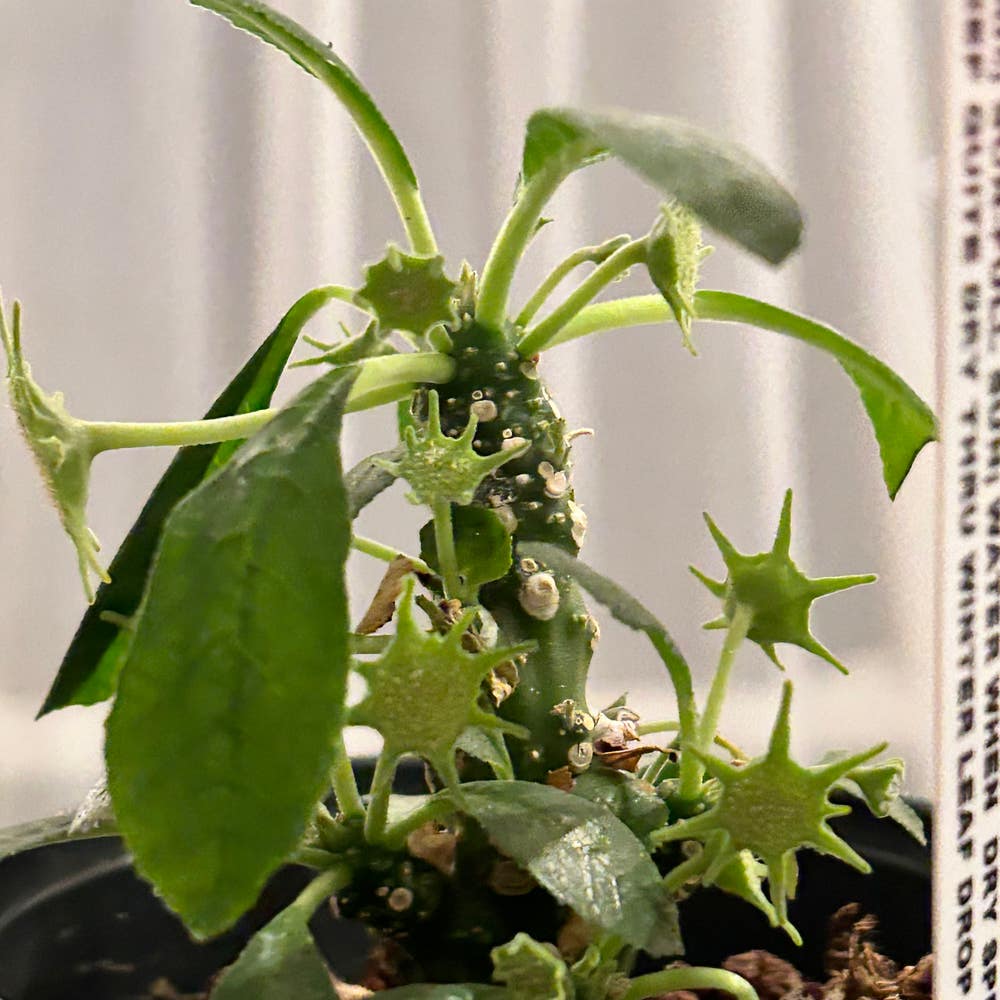
Propagating Dorstenia gigas: Step-by-Step Guide
Dorstenia gigas
By the Greg Editorial Team
Mar 30, 2024•5 min read
This article was created with the help of AI so we can cover more plants for you. May contain errors. See one? Report it here.
Propagate your Dorstenia gigas effortlessly 🌿 with this all-in-one guide to multiplying your succulent family!
- Harvest seeds post-flower and use a sterile, well-draining soil mix.
- Leaf cuttings need callusing; offsets should look like the parent plant.
- Divide in spring, monitor growth, and adjust care for propagation success.
Sowing the Future: Seed Propagation Steps
🌼 Collecting Your Seeds
Harvesting Dorstenia gigas seeds is a delicate affair. Wait for the flowers to wither, revealing seed heads ripe for the picking. Handle with care to avoid seed loss.
🧼 Prepping for Success
Sterilization is key. Clean your tools and workspace to prevent fungal foes. Mix your soil with equal parts potting soil, coarse sand, and perlite for that perfect drainage balance.
🌱 Germination Game Plan
Sow seeds on the surface; they crave light to kickstart life. A fine soil sprinkle is all the cover they need. Moisture and warmth are your germination guardians—think tropical thoughts. Use a spray bottle to mist, not drench, the hopefuls. Patience is a virtue here; germination is a marathon, not a sprint.
Leaf Cuttings: A Slice of Life
🌱 The Cutting Edge
Selecting the right leaf is crucial for successful propagation. Look for leaves that are plump and healthy, free from blemishes or signs of stress. Using a sterilized sharp knife or scissors, cut the leaf from the plant, including a portion of the petiole if possible. This increases the chances of successful rooting. After the cut, let the leaf sit out for a few days to callus over. This step is non-negotiable; it's like putting a band-aid on a wound, preventing rot and disease.
🌿 Rooting for Growth
Once your leaf has callused, it's time to coax it into growing roots. Prepare a well-draining soil mix; this could be a blend of potting soil and perlite or sand. Moisten the mix slightly—think damp sponge, not wet mop. Plant the callused end of the leaf into the soil, ensuring it stands upright if it has a petiole. If not, lay the leaf flat on the soil surface, with the cut side down.
Water sparingly; overzealous watering is the fast track to a mushy mess. Place the pot in a warm spot with bright, indirect light. Patience is key here. Roots may take weeks to develop, so resist the urge to tug at the leaf to check for progress. Instead, look for signs of growth at the base of the leaf or new leaves sprouting, which are clear indicators that roots have formed beneath the soil.
Little Offshoots: Propagating Offsets and Pups
🌱 Pup Identification
In the quest for Dorstenia gigas propagation, spotting viable pups is like hitting the jackpot. Look for offsets that are the spitting image of the parent plant, only tinier. They should boast their own root system and have that "I'm ready for my own pot" look. Healthy, plump, and eager to grow, these pups are your green light to go.
🏡 Planting Your Pups
Once you've liberated your pups from the mother plant, it's time to give them a new home. Pot them in a well-draining soil mix, ensuring the roots are comfortably tucked in but not buried deep. Water them like you're walking a tightrope—too much, and they'll rot; too little, and they'll thirst. Bright, indirect light will be their sun-kissed haven, but keep them shielded from the harsh midday glare. Watch out for uninvited pests hitching a ride from the parent—vigilance is your best defense. With some patience and care, your pups will soon stand tall and independent.
Division: Doubling Down on Dorstenia
🌱 The Division Decision
Dorstenia gigas, a succulent that thrives on companionship, occasionally needs space to flourish. When your plant looks like it's outgrowing its pot or you notice a decline in its vigor, it's time to divide. Spring is the ideal season for this task, as the plant is coming out of dormancy and ready for a growth spurt. Gently remove the plant from its pot and identify natural divisions in the root system. Each section should have a healthy amount of roots and at least one growth point.
🌿 Post-Division Care
Once you've divided your Dorstenia gigas, it's crucial to give each new plant the best start possible. Use pots with good drainage and a well-draining potting mix to prevent root rot. Plant each division at the same depth it was growing before and water thoroughly to settle the soil around the roots. Place the pots in a warm, sunny spot to encourage strong growth. Monitor the moisture level closely, as new divisions can be sensitive to overwatering. With proper care, your new Dorstenia gigas plants will soon thrive and continue the cycle of growth.
Growth Tracking and Troubleshooting
📅 Timeline Tracking
Tracking the growth of your Dorstenia gigas is like checking off milestones on a road trip. Expect the first signs of life—a sprout or root—in a few weeks. Full maturity, however, is more of a long haul, taking several months to achieve.
🌱 Signs of Success
Success in propagation isn't just about survival; it's about thriving. Look for new leaves, firm roots, and an overall appearance of vigor. These are your green lights, signaling that your propagation efforts are on track.
🔧 Troubleshooting Tips
When your propagation hits a snag, don't panic. Stagnant growth? Review your lighting and temperature settings. Pests or diseases crashing your plant party? Act fast with appropriate treatments. And remember, transparent containers can be your windows to root progress—keep an eye out for that thriving network below the soil.
⚠️ Safety First
This content is for general information and may contain errors, omissions, or outdated details. It is not medical, veterinary advice, or an endorsement of therapeutic claims.
Always consult a qualified healthcare professional before using any plant as food, medicine, or supplement.
Never eat any plant (or feed one to pets) without confirming its identity with at least two trusted sources.
If you suspect poisoning, call Poison Control (800) 222-1222, the Pet Poison Helpline (800) 213-6680, or your local emergency service immediately.
Spotted an error? Please report it here.
Embark on the rewarding journey of propagating your Dorstenia gigas, and with Greg's 🌱 custom care plans, watch your exotic succulents flourish every step of the way.