🌸 Top 9 Signs Your Dorstenia Needs Pollination
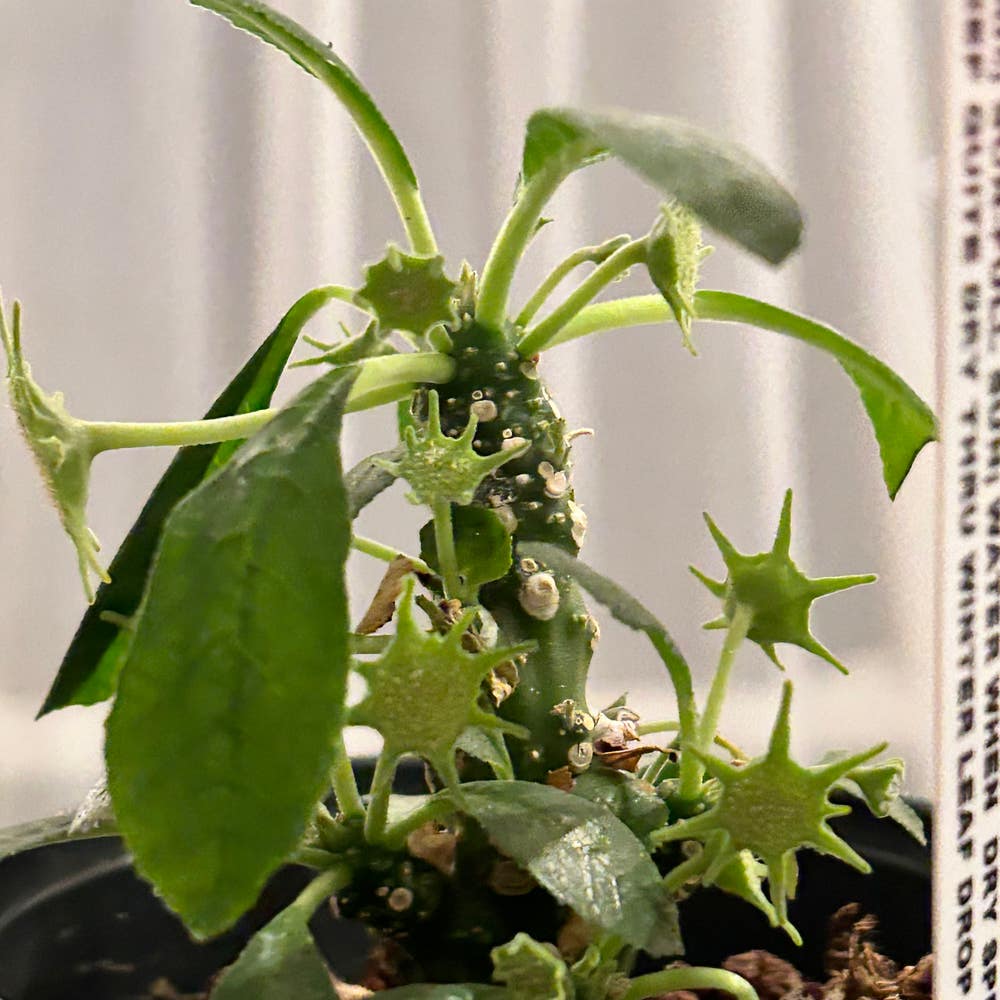
Dorstenia gigas
By the Greg Editorial Team
Sep 30, 2024•6 min read
This article was created with the help of AI so we can cover more plants for you. May contain errors. See one? Report it here.
Unlock the secrets of Dorstenia's unique pollination strategies and boost your garden's biodiversity! 🌼
- 🌼 Dorstenia flowers attract bees, butterflies, and hummingbirds for effective pollination.
- 🌱 Self-pollination ensures reproductive success, even without external pollinators.
- 🌍 Creating a pollinator-friendly environment boosts Dorstenia's health and genetic diversity.
Flower Structure
🌼 Description of Flower Characteristics
Dorstenia flowers are truly unique, featuring a distinctive inflorescence that clusters tightly together. This arrangement creates a visually striking display, drawing attention to their intricate beauty.
The petals of Dorstenia vary in color and shape, often showcasing shades of green, yellow, and white. Their shapes can range from broad and flat to slender and elongated, adding to the plant's overall allure.
The positioning of the flowers on the stem is equally fascinating. They typically emerge in a spiral pattern, allowing for optimal exposure to sunlight and potential pollinators.
🐝 Role in Pollination
Dorstenia flowers have evolved remarkable self-pollination capabilities. Their structure allows pollen to transfer within the same flower, ensuring reproductive success even in isolated conditions.
However, they also possess features that encourage cross-pollination. The unique arrangement and vibrant colors attract various pollinators, enhancing genetic diversity and fruit production.
This dual strategy not only secures their survival but also enriches the ecosystem around them. Understanding these characteristics can help gardeners appreciate the vital role Dorstenia plays in their environment.
As we delve deeper into the pollination process, we’ll explore how these flowers interact with their pollinators and the mechanisms behind their reproductive success.
Pollination Process
Self-Pollination Mechanism 🌼
Dorstenia flowers have a fascinating ability to self-pollinate. Pollen is transferred within the same flower, ensuring that fertilization can occur even in the absence of external pollinators.
This self-sufficiency boosts Dorstenia's reproductive success. It allows the plant to thrive in various environments, ensuring that it can produce seeds even when pollinator activity is low.
Identification of Primary Pollinators 🐝
When it comes to pollinators, Dorstenia attracts a variety of species. Key players include bees, butterflies, and hummingbirds, each contributing uniquely to the pollination process.
Bees: They are the most efficient pollinators, drawn to the flower's nectar and pollen. Their fuzzy bodies pick up pollen and transfer it as they move from flower to flower.
Butterflies: These delicate creatures are attracted to the vibrant colors of Dorstenia flowers. As they sip nectar, they inadvertently spread pollen, aiding in fertilization.
Hummingbirds: Known for their rapid wing beats, hummingbirds are drawn to the sweet nectar. Their long beaks allow them to reach deep into the flowers, facilitating cross-pollination.
Understanding these interactions is crucial for fostering a thriving Dorstenia population. By recognizing the roles of these pollinators, gardeners can create environments that support their activities and enhance plant reproduction.
With a solid grasp of the pollination process, we can now explore the natural mechanisms that facilitate pollen transfer.
Natural Pollination
🌬️ Pollen Transfer Mechanisms
Pollen transfer in Dorstenia occurs primarily through two mechanisms: wind and insect activity. As flowers bloom, they release pollen grains that can be carried by the wind to neighboring flowers, facilitating cross-pollination.
Insects, particularly bees and butterflies, play a crucial role in this process. They visit the flowers for nectar, inadvertently picking up pollen on their bodies and transferring it to other flowers as they move from one to another. This interaction not only aids in pollen dispersal but also enhances the chances of successful fertilization.
🌱 Importance for Reproduction and Genetic Diversity
Pollination is vital for the reproductive success of Dorstenia. It enhances genetic diversity, which is essential for the resilience of the species. A diverse gene pool allows Dorstenia to adapt to changing environmental conditions, making it more robust against diseases and pests.
Moreover, successful pollination leads to fruit and seed production. These seeds are crucial for the propagation of the plant, ensuring that future generations thrive. Without effective pollination, Dorstenia would struggle to reproduce, jeopardizing its survival in various ecosystems.
As we explore the next section, we'll delve into hand pollination techniques that can support Dorstenia's reproductive efforts, especially in environments where natural pollination may be limited.
Hand Pollination Techniques
Hand pollination can significantly enhance the reproductive success of your Dorstenia. Here’s a straightforward guide to ensure you get it right.
🌸 Identifying Male and Female Flower Parts
First, you need to distinguish between the male and female parts of the flower. Male flowers typically have stamens, which produce pollen, while female flowers feature a stigma, where pollen needs to land for fertilization.
🌾 Collecting Pollen
Once you've identified the male flowers, it’s time to gather pollen. Gently tap or shake the male flower to release the pollen grains, or use a small brush to collect them directly from the anthers.
✋ Transferring Pollen
Next, apply the collected pollen to the stigma of the female flowers. You can use the same brush or a cotton swab to ensure the pollen makes contact with the receptive surface.
⏰ Timing
Timing is crucial for successful hand pollination. Early morning is often the best time, as flowers are usually more receptive and pollen is fresh. Pollination during this window increases your chances of fertilization.
By following these steps, you can effectively assist your Dorstenia in achieving successful reproduction. Now, let’s explore how to create a pollinator-friendly environment to support these efforts.
Supporting Pollinators
🌼 Creating a Pollinator-Friendly Environment
Creating a welcoming habitat is crucial for supporting pollinators. Native plants play a vital role, as they provide the food and shelter that local pollinators, like bees and butterflies, need to thrive.
Shelter can include dense foliage or even small structures that offer protection from harsh weather. By incorporating these elements, you can create a sanctuary that encourages pollinator activity.
Water sources are equally important. Pollinators require hydration, especially during hot months. Simple additions like shallow dishes filled with water can make a significant difference.
🌱 Companion Plants
Companion planting can significantly enhance pollinator activity around your Dorstenia. Consider adding plants like lavender, marigold, or coneflower, which are known to attract various pollinators.
These companion plants not only draw in pollinators but also provide a more diverse ecosystem. This diversity can lead to improved pollination rates for your Dorstenia, ensuring a healthier plant and more fruitful harvest.
By fostering a pollinator-friendly environment and incorporating companion plants, you can create a thriving ecosystem that benefits both your garden and the local wildlife. This proactive approach not only supports Dorstenia's pollination but also contributes to the overall health of your garden.
As we move forward, let’s explore the pollination challenges that can arise and how to overcome them effectively.
Pollination Challenges
Common Obstacles 🌪️
Pollination can be significantly hindered by environmental factors. Temperature fluctuations and high humidity levels can disrupt the delicate balance needed for successful pollination in Dorstenia.
Additionally, a lack of pollinators poses a serious challenge. Urbanization, pesticide use, and habitat loss have led to a decline in essential pollinator populations, making it harder for Dorstenia to reproduce effectively.
Solutions 🌼
To improve pollination success, gardeners can adopt several strategies. Creating a welcoming environment for pollinators involves planting native species and minimizing pesticide use.
Maintaining a diverse plant ecosystem is crucial. A variety of flowering plants can attract different pollinator species, enhancing the overall health of your garden and supporting Dorstenia's pollination needs.
By addressing these challenges, you can foster a thriving environment for both your plants and their pollinators. This not only benefits Dorstenia but also contributes to the broader ecosystem.
⚠️ Safety First
This content is for general information and may contain errors, omissions, or outdated details. It is not medical, veterinary advice, or an endorsement of therapeutic claims.
Always consult a qualified healthcare professional before using any plant as food, medicine, or supplement.
Never eat any plant (or feed one to pets) without confirming its identity with at least two trusted sources.
If you suspect poisoning, call Poison Control (800) 222-1222, the Pet Poison Helpline (800) 213-6680, or your local emergency service immediately.
Spotted an error? Please report it here.
Boost your Dorstenia's pollination success 🌼 with Greg's tailored care tips and reminders, ensuring your plants attract the right pollinators for a thriving garden!