💡 9 Quick Fixes for Dorstenia Bloom Problems
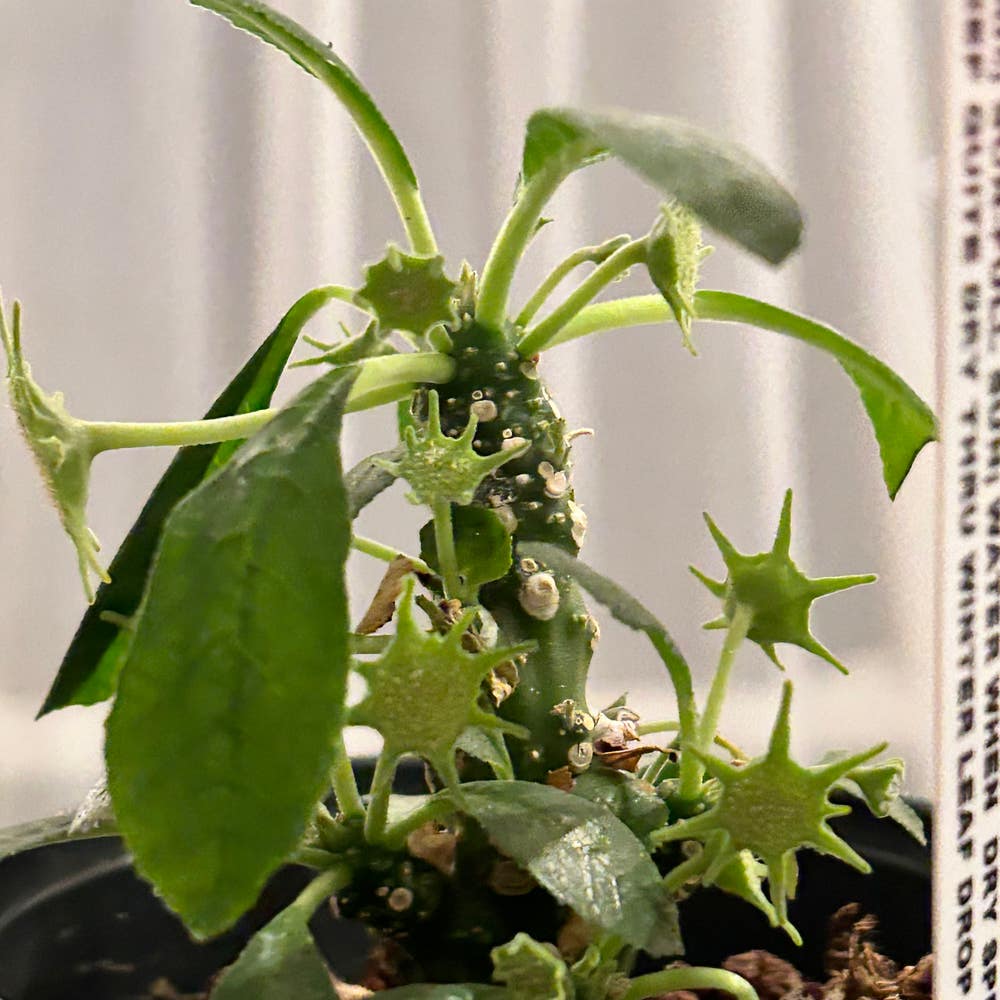
Dorstenia gigas
By the Greg Editorial Team
Sep 30, 2024•4 min read
This article was created with the help of AI so we can cover more plants for you. May contain errors. See one? Report it here.
Transform your Dorstenia into a blooming beauty 🌸 with essential tips on light, nutrition, and care!
- 🌞 Bright, indirect light is essential for Dorstenia to bloom effectively.
- 🌱 Balanced nutrients and proper watering prevent stress and promote vibrant flowers.
- 🐛 Regular pest checks and pruning enhance growth and improve flower health.
Common Causes of Failure to Bloom
🌞 Insufficient Light Conditions
Light is crucial for flowering in Dorstenia. Ideally, these plants thrive in bright, indirect sunlight, which promotes healthy blooms.
When light conditions are inadequate, you may notice leggy growth and a lack of flowers. These signs indicate that your plant is stretching for light, which can hinder its blooming potential.
🍽️ Nutritional Deficiencies
Key nutrients play a vital role in flower development. A balanced ratio of nitrogen, phosphorus, and potassium is essential for vibrant blooms.
If your Dorstenia is experiencing yellowing leaves or poor growth, it may be suffering from nutritional deficiencies. These symptoms can signal that your plant needs a nutrient boost to flourish.
🚰 Improper Watering Practices
Watering practices significantly impact bloom rates. Overwatering can lead to root rot, while underwatering may cause dry, shriveled leaves.
To ensure your plant thrives, pay attention to its watering needs. Striking the right balance is key to promoting healthy blooms and overall plant vitality.
Solutions for Improving Bloom Rates
🌞 Adjusting Light Exposure
Optimizing light conditions is crucial for encouraging your Dorstenia to bloom. Start by moving your plants to brighter locations where they can soak up bright, indirect sunlight.
If natural light is lacking, consider using grow lights. These can provide the necessary light spectrum to stimulate flowering, especially during darker months.
🍽️ Enhancing Nutritional Intake
A proper fertilization schedule can significantly boost your plant's health. Use a balanced NPK fertilizer every 4-6 weeks to ensure your Dorstenia receives essential nutrients.
Watch for signs of improved health, such as dark green leaves and an increase in flower buds. These indicators show that your plant is thriving and ready to bloom.
🚰 Watering Adjustments
Watering practices play a vital role in bloom rates. Allow the soil to dry slightly between waterings to prevent both overwatering and underwatering.
Additionally, ensure your pots have drainage holes. This helps prevent root rot, which can hinder your plant's ability to produce flowers.
By making these adjustments, you can create an environment where your Dorstenia thrives and blooms beautifully. Next, let’s explore factors that can lead to premature flower drop.
Factors Leading to Premature Flower Drop
🌡️ Environmental Fluctuations
Sudden temperature changes can wreak havoc on your Dorstenia, leading to premature flower drop. Watch for signs of stress, such as dropping buds and wilting leaves, which indicate your plant is struggling to adapt.
🥦 Nutritional Imbalances
Over-fertilization can be just as detrimental as under-fertilization. Symptoms like leaf burn and bud drop signal that your plant is overwhelmed by excess nutrients, disrupting its natural growth cycle.
🐛 Pests and Diseases
Pests can be a hidden menace, causing significant issues for your flowering plants. Common culprits like aphids and mealybugs leave behind sticky residue and can be spotted easily if you keep a close eye on your plants.
Identifying these factors early can save your Dorstenia from further distress. By addressing environmental, nutritional, and pest-related issues, you can help your plant thrive and encourage a more robust bloom.
Remedies for Abnormal Flower Development
🌱 Identifying Causes of Abnormalities
Abnormalities in Dorstenia flowers can manifest in various ways. Deformed flowers often result from environmental stress or improper care, leading to distorted shapes and sizes.
Color changes in flowers can indicate nutritional deficiencies or environmental stressors. For instance, if your blooms are fading or changing hues unexpectedly, it might be time to reassess their care.
🛠️ Solutions for Normalizing Flower Development
To normalize flower development, start by improving light and nutrition. Ensure your Dorstenia receives bright, indirect sunlight and consider a balanced fertilizer to provide essential nutrients.
Regular monitoring for pests and diseases is crucial. Keep an eye out for any signs of infestation, such as sticky residue or visible insects, and address these issues promptly to promote healthy blooms.
By making these adjustments, you can help your Dorstenia thrive and produce beautiful flowers. Next, let’s explore how pruning can further enhance flower production.
Pruning and Maintenance
🌸 How Pruning Affects Flower Production
Pruning is essential for stimulating new growth in your Dorstenia. By removing old or damaged stems, you encourage the plant to focus its energy on producing vibrant blooms.
Timing is crucial for effective pruning. The best times to prune are typically in early spring or after flowering, allowing the plant to recover and thrive.
✂️ Best Practices for Pruning
To prune effectively, you’ll need clean, sharp shears. This ensures a clean cut, minimizing the risk of infection.
When pruning, focus on removing dead or damaged stems. This not only promotes new growth but also enhances airflow, reducing the risk of pests and diseases.
Incorporating these practices into your routine will help maintain a healthy Dorstenia, leading to more abundant blooms.
As you refine your pruning techniques, you'll notice a positive transformation in your plant's health and flower production.
⚠️ Safety First
This content is for general information and may contain errors, omissions, or outdated details. It is not medical, veterinary advice, or an endorsement of therapeutic claims.
Always consult a qualified healthcare professional before using any plant as food, medicine, or supplement.
Never eat any plant (or feed one to pets) without confirming its identity with at least two trusted sources.
If you suspect poisoning, call Poison Control (800) 222-1222, the Pet Poison Helpline (800) 213-6680, or your local emergency service immediately.
Spotted an error? Please report it here.
Transform your Dorstenia into a blooming beauty 🌸 by leveraging Greg's tailored care reminders and expert tips to meet its light, nutrition, and watering needs!