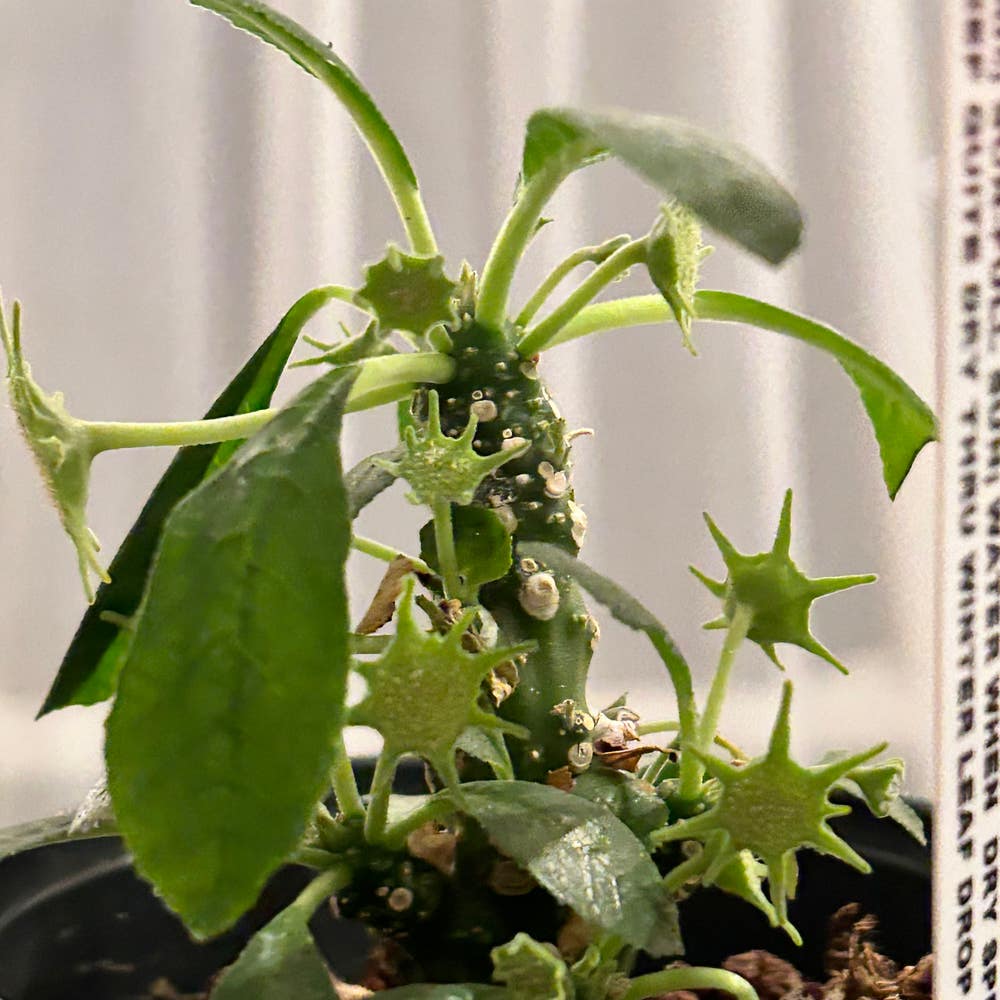
Dorstenia is Not an Invasive Plant
Dorstenia gigas
By the Greg Editorial Team
Sep 30, 2024•6 min read
This article was created with the help of AI so we can cover more plants for you. May contain errors. See one? Report it here.
Transform your garden with Dorstenia, a stunning plant that boosts biodiversity and supports local ecosystems! 🌼
- 🌱 Dorstenia is non-invasive, promoting local ecosystems without disrupting native flora.
- 🐝 Attracts pollinators and supports biodiversity, enhancing garden health and aesthetics.
- 🌞 Thrives in well-draining soils with moderate watering, making it easy to care for.
Plant Classification
Definition of Invasive Species 🌱
Invasive species are plants that exhibit certain characteristics making them problematic. They typically grow and spread rapidly, displacing native flora and negatively impacting local ecosystems.
Why Dorstenia is Not Invasive 🌼
Dorstenia stands out due to its limited spread potential, primarily influenced by its unique growth habits. This plant thrives within natural limits, adapting well to various environments without overwhelming them.
Historically, Dorstenia has played a significant role in traditional medicine and local ecosystems. Its presence supports biodiversity rather than detracting from it, making it a valuable addition to gardens and natural landscapes.
In summary, Dorstenia's growth patterns and historical context highlight its non-invasive nature, setting it apart from more aggressive species. As we explore its growth habits next, we’ll see how these traits contribute to its appeal in garden settings.
Growth Habits
Typical Growth Patterns in Gardens 🌱
Dorstenia exhibits a clumping growth form, resembling succulent plants. Typically, it reaches an average height of 1-2 feet and spreads only 1-3 feet, making it a manageable addition to any garden.
Natural Limits to Growth 🌍
Several environmental factors influence Dorstenia's growth. It thrives in well-draining, rocky soils and requires partial to full sun exposure to flourish.
Spread Potential and Management ✂️
Dorstenia has limited natural spread mechanisms, primarily due to its restricted seed dispersal. To maintain desired growth, regular pruning is essential, along with monitoring for any unwanted spread.
Incorporating Dorstenia into your garden not only enhances its beauty but also supports local ecosystems. As we explore its ecological role next, you'll discover how this plant contributes positively to biodiversity and wildlife.
Ecological Role
Benefits of Dorstenia in Ecosystems 🌼
Dorstenia plays a vital role in attracting pollinators, including bees and butterflies. These creatures are essential for the health of many plants, making Dorstenia a valuable addition to any garden.
Additionally, Dorstenia supports local wildlife by providing both habitat and food sources. Its unique structure offers shelter, while its flowers serve as a food source for various insects.
Positive Interactions with Local Wildlife 🐞
The plant is instrumental in attracting beneficial insects, which help control pest populations. This natural pest management contributes to a healthier garden ecosystem.
Moreover, Dorstenia enhances local biodiversity. By fostering a diverse range of species, it creates a more resilient environment that can withstand ecological changes.
Role in Biodiversity 🌍
Dorstenia enhances ecosystem resilience, making it a key player in maintaining ecological balance. Its presence helps stabilize soil, preventing erosion and promoting healthy growth in garden settings.
In summary, incorporating Dorstenia into your garden not only beautifies your space but also contributes positively to the local ecosystem. This makes it a smart choice for environmentally conscious gardeners.
As we explore garden management strategies, consider how Dorstenia can fit into your design while supporting local wildlife and biodiversity.
Garden Management
Incorporating Dorstenia into Garden Designs 🌱
Dorstenia thrives in specific environments, making it a fantastic choice for rock gardens or succulent collections. Its unique form adds texture and interest, especially when paired with other non-invasive species.
Companion planting enhances the garden's ecosystem. Consider mixing Dorstenia with plants that share similar light and water needs, promoting a harmonious growth environment.
Aesthetic Considerations for Growth Control 🎨
Maintaining visual appeal is key when incorporating Dorstenia. Regular pruning helps shape the plant and control its size, ensuring it fits well within your garden design.
Seasonal color considerations are also important. Flowering varieties of Dorstenia can provide vibrant bursts of color, enriching the overall aesthetic throughout the year.
Practical Tips for Maintaining Dorstenia 🛠️
Watering Dorstenia requires a moderate approach. Allow the soil to dry between waterings to prevent over-saturation, which can lead to root rot.
For fertilization, light feeding during the growing season is sufficient. This encourages healthy growth without overwhelming the plant.
Pest management is crucial for a thriving garden. Regular inspections for common pests can help you catch any issues early, ensuring your Dorstenia remains healthy and vibrant.
Incorporating these practices will not only enhance the beauty of your garden but also support the ecological benefits that Dorstenia provides. As we move forward, let’s explore how Dorstenia compares to other plants in similar environments.
Comparison to Other Plants
🌱 Similar Non-Invasive Plants
When considering non-invasive plants for your garden, several options thrive in similar environments as Dorstenia. Echeveria and Sedum are excellent choices, known for their resilience and low maintenance needs.
These plants not only complement Dorstenia's aesthetic but also share its ability to adapt to various soil types and light conditions. Their vibrant colors and unique forms can create a stunning visual display alongside Dorstenia.
🌟 Unique Qualities of Dorstenia
Dorstenia stands out with its distinctive leaf structures and succulent-like growth forms. Its unique appearance adds character to any garden, making it a conversation starter.
Beyond its visual appeal, Dorstenia holds cultural significance in many regions. Historically, it has been used in traditional medicine, showcasing its multifaceted role in both gardens and local ecosystems.
🌼 Benefits of Choosing Dorstenia Over Invasive Species
Opting for Dorstenia instead of invasive species comes with numerous advantages. Its low maintenance and manageable growth make it an ideal choice for gardeners seeking beauty without the hassle.
Moreover, Dorstenia contributes positively to local ecosystems. By attracting pollinators and supporting biodiversity, it enhances the garden's ecological health, making it a responsible choice for environmentally conscious gardeners.
Incorporating Dorstenia not only beautifies your space but also fosters a thriving ecosystem, setting it apart from invasive alternatives.
Legal and Environmental Considerations
Guidelines for Planting Dorstenia 🌱
When planting Dorstenia, sustainable practices are key. Choose a location that mimics its natural habitat, ensuring well-draining soil and adequate sunlight.
Sourcing plants from reputable nurseries is crucial. This not only guarantees healthy specimens but also supports responsible cultivation practices.
Sustainable Gardening Practices ♻️
Incorporating Dorstenia into eco-friendly garden designs can enhance biodiversity. Pair it with native plants to create a thriving ecosystem that attracts beneficial insects and wildlife.
Emphasizing biodiversity fosters a balanced garden environment. This integration can lead to healthier plants and a more resilient garden overall.
Environmental Impact of Dorstenia in Gardens 🌍
Dorstenia positively contributes to soil health by preventing erosion and improving structure. Its growth helps stabilize soil, making it a valuable addition to any garden.
Responsible management is essential to mitigate any potential negative impacts. Regular monitoring and care ensure that Dorstenia remains a beneficial presence in your garden.
Transitioning to sustainable practices not only enhances your garden but also supports local ecosystems. Embrace these guidelines to cultivate a thriving, eco-friendly space.
⚠️ Safety First
This content is for general information and may contain errors, omissions, or outdated details. It is not medical, veterinary advice, or an endorsement of therapeutic claims.
Always consult a qualified healthcare professional before using any plant as food, medicine, or supplement.
Never eat any plant (or feed one to pets) without confirming its identity with at least two trusted sources.
If you suspect poisoning, call Poison Control (800) 222-1222, the Pet Poison Helpline (800) 213-6680, or your local emergency service immediately.
Spotted an error? Please report it here.
Discover the charm of Dorstenia, a non-invasive beauty that enriches your garden's ecosystem, and let Greg provide personalized care reminders to help it flourish! 🌿