🌼 6 Do's and Don'ts of Growing Dorstenia
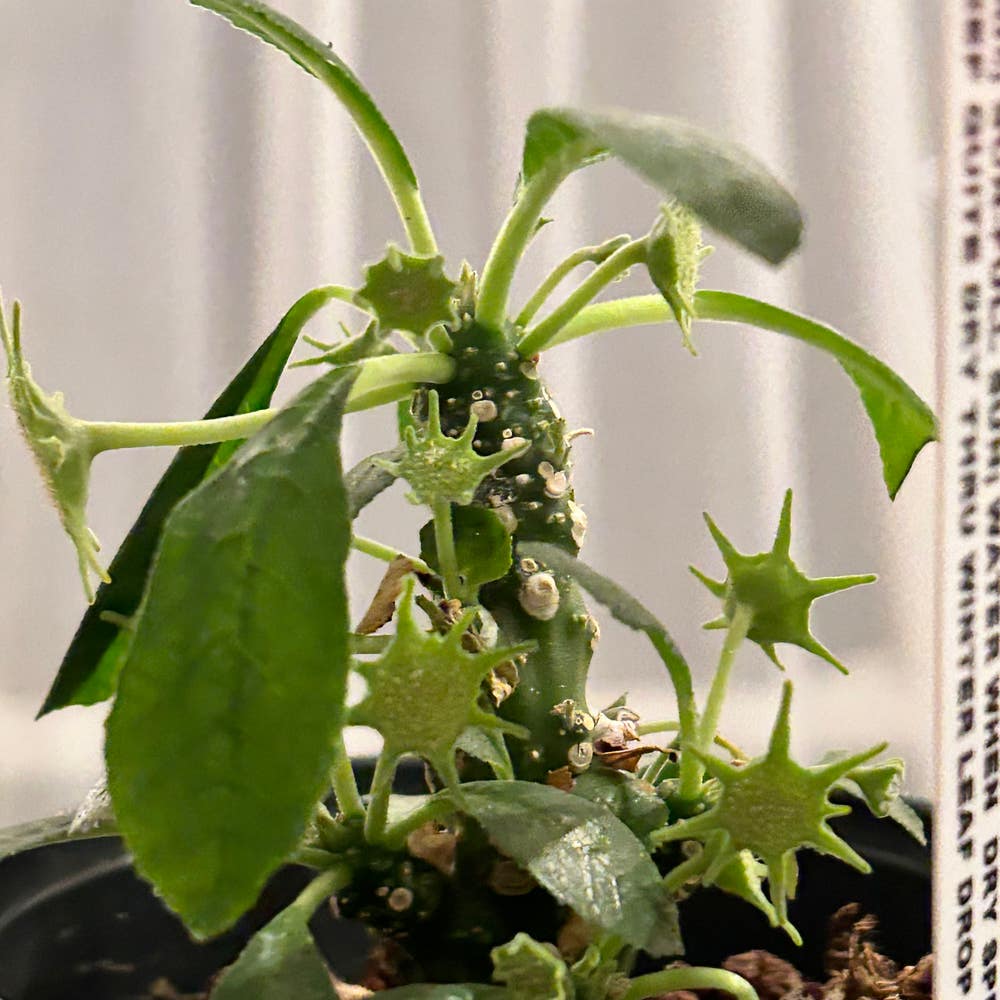
Dorstenia gigas
By the Greg Editorial Team
Sep 30, 2024•5 min read
This article was created with the help of AI so we can cover more plants for you. May contain errors. See one? Report it here.
Cultivate vibrant Dorstenia plants 🌱 with essential tips on light, soil, and care for thriving growth!
- 🌞 Dorstenia needs bright, indirect sunlight; poor light stunts growth.
- 🌡️ Ideal temperature is 20°C to 30°C; maintain moderate humidity for best results.
- 🌱 Use well-draining soil and pots with drainage holes to prevent root rot.
Choosing a Location
Light Requirements 🌞
For thriving Dorstenia, bright, indirect sunlight is essential. Insufficient light can lead to leggy growth and overall poor health, so finding the right spot is crucial.
Indoor vs. Outdoor Growing Conditions 🏡
Growing Dorstenia indoors offers a controlled environment and protection from pests. However, outdoor cultivation requires careful consideration of climate suitability and exposure to the elements.
Ideal Temperature and Humidity Levels 🌡️
Dorstenia prefers a cozy temperature range of 20°C to 30°C (68°F to 86°F). They thrive in moderate humidity, so consider using a humidifier or placing a tray of water nearby to maintain optimal conditions indoors.
By understanding these location factors, you set the stage for successful Dorstenia growth. Next, let’s dive into soil preparation to ensure your plants have the best foundation.
Soil Preparation
Best Soil Types 🌱
For growing Dorstenia, a well-draining potting mix is essential. Consider adding perlite or sand to enhance drainage and aeration, which are crucial for healthy root development.
Soil texture plays a significant role in root health. A mix that retains some moisture while allowing excess water to escape will keep your plant thriving.
Soil pH Requirements ⚗️
Dorstenia prefers a soil pH between 6.0 and 7.0. Regularly testing your soil pH ensures that your plant can absorb nutrients effectively.
If your soil falls outside this range, adjusting it is straightforward. You can use lime to raise the pH or sulfur to lower it.
Drainage Considerations 🚿
Proper drainage is vital to prevent root rot, a common issue for Dorstenia. Always choose pots with drainage holes to allow excess water to escape.
To further improve drainage, consider adding gravel to the bottom of your pots. This simple technique can make a significant difference in your plant's health.
With the right soil preparation, your Dorstenia will be set up for success. Next, let’s explore effective planting techniques to ensure your plant thrives in its new environment.
Planting Techniques
Step-by-Step Planting Guide 🌱
Planting Dorstenia is straightforward and rewarding. Start by preparing your soil mix and selecting an appropriate pot or container.
Next, create a hole for the plant, ensuring it’s deep enough to accommodate the root ball. Place the plant in the hole and backfill with soil, making sure it’s secure.
Finally, water lightly to settle the soil around the roots. This gentle touch helps establish a solid foundation for your plant.
Spacing and Depth Recommendations 📏
When planting outdoors, spacing is crucial. Aim for a distance of 12-18 inches between each plant to allow for healthy growth.
For depth, consider the differences between containers and ground planting. Ensure that the root ball is level with the soil surface for optimal growth.
Container vs. Ground Planting 🪴
Container growing offers several advantages for Dorstenia enthusiasts. You gain mobility and better control over soil conditions, making it easier to manage their needs.
On the other hand, outdoor planting requires careful consideration of soil quality and exposure to the elements. Choose the method that best suits your gardening style and environment.
With these planting techniques in mind, you're well on your way to cultivating thriving Dorstenia. Next, let’s explore how to effectively water and fertilize your plants for optimal growth.
Watering and Fertilizing
Watering Frequency and Techniques 🌊
For Dorstenia, a watering schedule of every 1-2 weeks is ideal, but adjust based on environmental conditions. Use the soak method for deep hydration or top watering for a gentler approach.
Signs of Overwatering and Underwatering 🚨
Watch for yellowing leaves and mushy stems, which signal overwatering. Conversely, if you notice wilting or dry leaf edges, your plant may be underwatered.
Fertilization Schedule and Types of Fertilizers 🌱
Fertilize every 4-6 weeks during the growing season to keep your Dorstenia thriving. Opt for a balanced liquid fertilizer or slow-release granules to provide essential nutrients.
Understanding these watering and fertilizing techniques will set you up for success. Next, let’s explore common challenges and solutions to keep your Dorstenia healthy and vibrant.
Common Challenges and Solutions
🐞 Identifying and Managing Pests
Dorstenia plants can attract a few pesky pests, including aphids, mealybugs, and spider mites. To keep these intruders at bay, consider using insecticidal soap or neem oil, both effective and safe options.
Introducing beneficial insects, like ladybugs, can also help manage pest populations naturally. Keeping a close eye on your plants will help you catch any infestations early.
🦠 Addressing Common Diseases
Root rot and leaf spot are two common diseases that can plague Dorstenia. To prevent these issues, ensure proper watering techniques and maintain good air circulation around your plants.
Regularly inspecting your plants can help you catch signs of disease before they escalate. Healthy plants are less susceptible, so focus on creating optimal growing conditions.
🔍 Troubleshooting Growth Issues
If you notice stunted growth or discoloration in your Dorstenia, it’s time to troubleshoot. These issues often stem from improper light, water, or soil conditions.
Adjusting these factors can lead to healthier, more vibrant plants. Remember, a little observation goes a long way in nurturing your Dorstenia.
With these challenges addressed, you’ll be well on your way to cultivating thriving Dorstenia plants. Next, let’s explore effective watering and fertilizing techniques to further enhance their growth.
⚠️ Safety First
This content is for general information and may contain errors, omissions, or outdated details. It is not medical, veterinary advice, or an endorsement of therapeutic claims.
Always consult a qualified healthcare professional before using any plant as food, medicine, or supplement.
Never eat any plant (or feed one to pets) without confirming its identity with at least two trusted sources.
If you suspect poisoning, call Poison Control (800) 222-1222, the Pet Poison Helpline (800) 213-6680, or your local emergency service immediately.
Spotted an error? Please report it here.
Nurture your Dorstenia to thriving heights 🌿 with Greg's tailored care tips and reminders that ensure your plants get the perfect light, water, and nutrients they need!