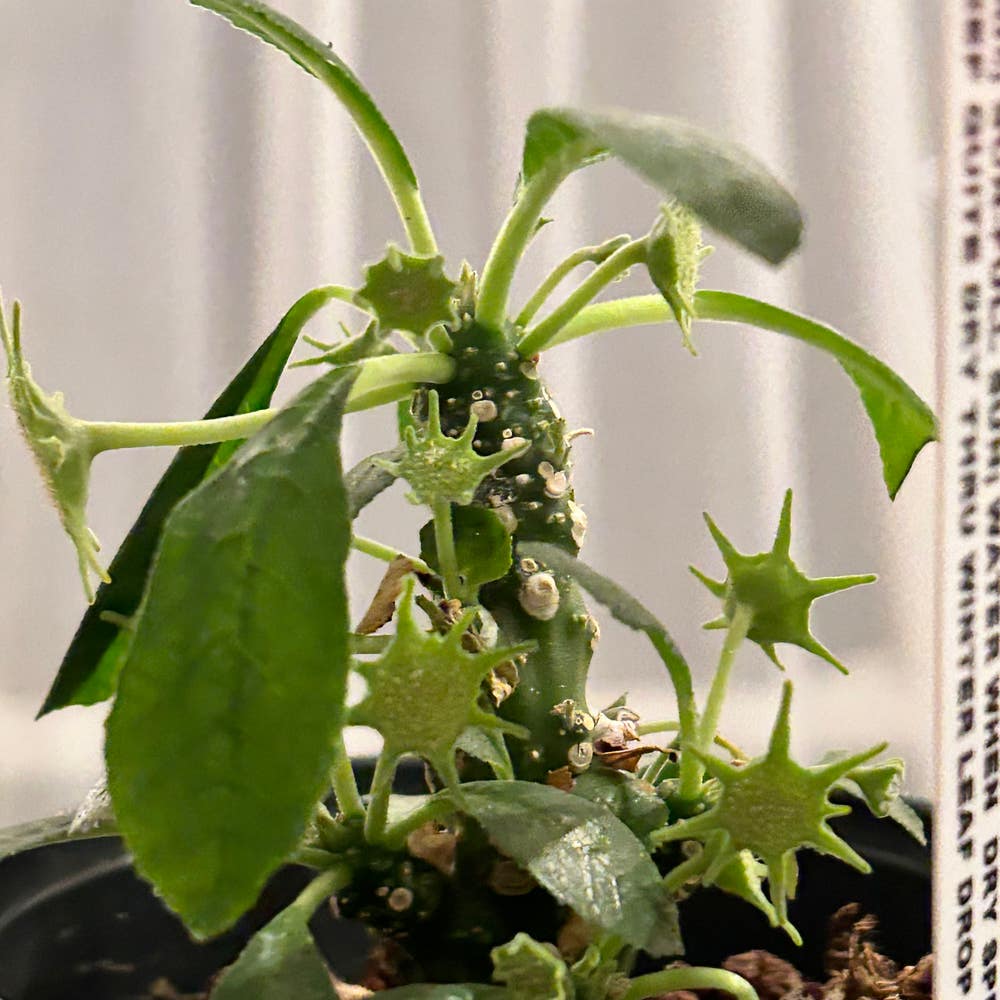
When to Plant Your Dorstenia 🌵
Dorstenia gigas
By the Greg Editorial Team
Sep 30, 2024•5 min read
This article was created with the help of AI so we can cover more plants for you. May contain errors. See one? Report it here.
Unlock a thriving Dorstenia garden 🌱 by mastering the perfect planting timing for your region!
- 🌱 Plant Dorstenia after the last frost date to prevent damage.
- 🌡️ Ideal soil temperature for planting is 65°F to 75°F (18°C to 24°C).
- 📅 Planting months vary by state; check local guidelines for best timing.
Timing for Planting Dorstenia
Importance of Frost Dates ❄️
Frost dates are crucial for successful Dorstenia planting, marking the last spring frost and the first fall frost. Since Dorstenia is sensitive to frost, planting should occur after the last frost date to protect the plant from damage or death.
To find your local frost dates, consult the USDA Plant Hardiness Zone Map or reach out to local agricultural extension services. These resources provide valuable information tailored to your specific region.
Soil Temperature Considerations 🌡️
The ideal soil temperature for planting Dorstenia ranges from 65°F to 75°F (18°C to 24°C). Soil temperature significantly influences seed germination rates and overall plant health.
To monitor soil temperature effectively, consider using soil thermometers or digital sensors. Additionally, employing black plastic mulch can help warm the soil, ensuring optimal conditions for planting.
Day Length and Growth ☀️
Photoperiodism refers to how day length impacts plant growth and flowering. For Dorstenia, longer days are beneficial, promoting better growth and flowering.
It's best to plant during the longer daylight months of spring and summer. To measure day length accurately, utilize sunrise and sunset calculators, which can help you determine the best planting times.
Understanding these timing factors will set you up for success in cultivating Dorstenia. Next, we’ll explore regional planting considerations to further refine your planting strategy.
Regional Planting Considerations
🌱 Ideal Planting Months in Key States
When it comes to planting Dorstenia, timing is everything. Here’s a quick guide to the ideal planting months across various states:
Florida
March to May is the sweet spot for Florida. With its warm climate and minimal frost risk, you can get a head start on your Dorstenia.
California
In California, the window extends from March to June. The state’s varied climate zones mean you’ll need to consider whether you’re on the coast or inland, as temperatures can differ significantly.
Texas
For Texas, aim for March to May. The southern climate allows for early spring planting, giving your Dorstenia a great chance to thrive.
New York
In New York, wait until late May to June. The frost risk is higher here, but the longer growing season post-frost makes it worth the wait.
Colorado
Colorado gardeners should plan for June to July. The higher elevation means a late frost risk, so patience is key.
Ohio
In Ohio, late May to June is ideal. Keep an eye on frost dates and enjoy the moderate climate as you plant.
By understanding these regional nuances, you can optimize your planting schedule for Dorstenia. This knowledge not only enhances your gardening success but also deepens your connection to the local environment.
Ready to dive into seed starting techniques? Let’s explore how to get your Dorstenia off to a great start!
Seed Starting Techniques
Starting Seeds Indoors: Timing and Tips 🌱
To kick off your Dorstenia journey, start seeds indoors 6-8 weeks before the last frost date. This timing maximizes your chances for a thriving plant.
For optimal indoor conditions, use seed trays filled with well-draining soil. Keep the soil temperature between 70°F to 75°F (21°C to 24°C) to encourage healthy growth.
To ensure success, provide adequate light using grow lights. Additionally, maintain high humidity levels with a humidity dome to create a nurturing environment.
Direct Sowing: Best Practices and Timing 🌍
Once the last frost date has passed and soil temperatures are optimal, it’s time for direct sowing. This method allows your seeds to establish themselves in their natural environment.
Prepare your soil by ensuring it’s well-draining and enriched with organic matter. Sow seeds at a depth of 1/4 inch for the best results.
Keep an eye on soil temperature and moisture levels as you plant. This attention to detail will help your Dorstenia flourish in its new home.
With these seed starting techniques in mind, you’re well on your way to cultivating healthy Dorstenia plants. Next, let’s explore the comprehensive planting guide to ensure you’re fully prepared for success.
Comprehensive Planting Guide
Planting Calendar for All 52 States 🌱
Knowing when to plant your Dorstenia can make all the difference. Here’s a quick breakdown of ideal planting months across the United States:
| State | Ideal Planting Months |
|---|---|
| Florida | March to May |
| California | March to June |
| Texas | March to May |
| New York | Late May to June |
| Colorado | June to July |
| Ohio | Late May to June |
These months are tailored to each state's climate and typical frost dates. For instance, Florida's warm climate allows for an earlier start, while Colorado's higher elevation pushes planting to later in the season.
Summary of Key Factors for Success 🌟
To ensure your Dorstenia thrives, keep these key factors in mind:
- Frost Dates: Always plant after the last frost date to protect your plants.
- Soil Temperature: Aim for soil temperatures between 65°F and 75°F for optimal growth.
- Day Length: Longer days in spring and summer promote better growth and flowering.
Utilizing local resources, such as agricultural extension services, can provide precise planting information tailored to your area. This knowledge empowers you to make informed decisions and set your Dorstenia up for success.
With the right timing and conditions, you’ll be well on your way to cultivating a thriving garden!
⚠️ Safety First
This content is for general information and may contain errors, omissions, or outdated details. It is not medical, veterinary advice, or an endorsement of therapeutic claims.
Always consult a qualified healthcare professional before using any plant as food, medicine, or supplement.
Never eat any plant (or feed one to pets) without confirming its identity with at least two trusted sources.
If you suspect poisoning, call Poison Control (800) 222-1222, the Pet Poison Helpline (800) 213-6680, or your local emergency service immediately.
Spotted an error? Please report it here.
Plant your Dorstenia at the perfect time 🌱 by using Greg's tailored reminders and tips to ensure optimal growth and success in your garden!