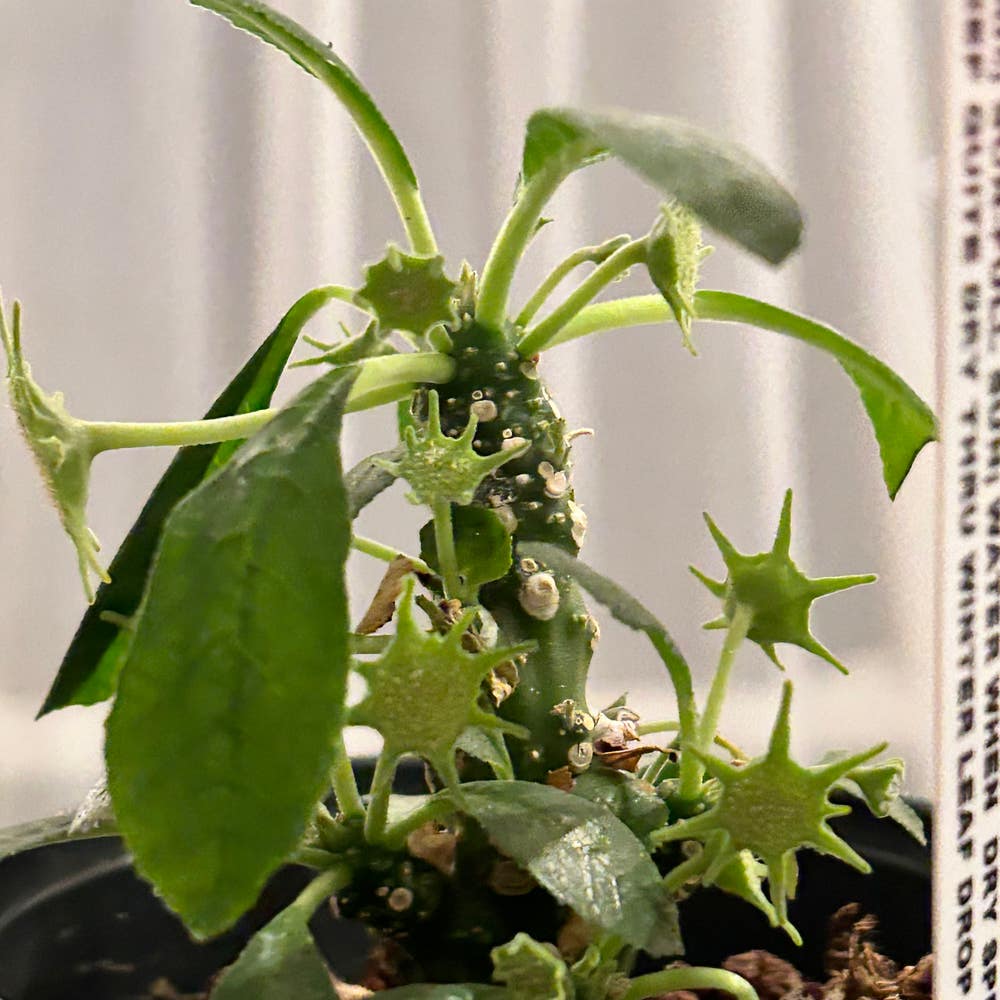
Ultimate Guide for How to Plant Dorstenia 💧
Dorstenia gigas
By the Greg Editorial Team
Sep 30, 2024•5 min read
This article was created with the help of AI so we can cover more plants for you. May contain errors. See one? Report it here.
Transform your garden with expert tips on planting and transplanting Dorstenia for vibrant growth! 🌱🌼
- 🌱 Best planting time for Dorstenia is spring and early summer in warmer climates.
- 🌞 Ensure bright, indirect light and well-draining soil for healthy growth.
- 💧 Water consistently but avoid overwatering to prevent root rot.
Planting New vs. Transplanting Established Dorstenia
🌱 Key Considerations for Planting
Optimal Timing for Planting
Timing is crucial when planting Dorstenia. In warmer climates, spring and early summer are ideal, while local climate conditions can influence the best planting season.
Selecting the Right Soil Mix and Containers
Choose a well-draining soil mix with a pH range of 6.0 to 7.0. The right pot size is essential; ensure it allows for healthy root growth without being too large.
Proper Depth and Spacing
Plant Dorstenia at a depth of 2 to 3 inches. Space them 12 to 18 inches apart to promote air circulation and prevent overcrowding.
Tips for Maintaining Ideal Growing Conditions
Dorstenia thrive in bright, indirect light. Water them regularly, ensuring the soil remains moist but not soggy, and monitor temperature and humidity levels for optimal growth.
🌞 Hardening Off Process
Before moving your plants outdoors, gradually expose them to outdoor conditions over 7 to 10 days. This hardening off process helps them acclimate and reduces transplant shock.
Transitioning from planting to transplanting established Dorstenia involves understanding specific steps and care requirements. Let's explore the best practices for successfully transplanting these resilient plants.
Transplanting Established Dorstenia
Step-by-step instructions for transplanting
Optimal Timing for Transplanting 🌱
The best times to transplant Dorstenia are early spring or fall. These seasons offer milder temperatures, which help reduce stress on the plant.
Removing the Plant 🌿
Before removal, water the plant thoroughly to ease the transition. Carefully dig around the root zone, lifting the plant gently to avoid damaging the roots.
Preparing the New Site 🏡
Choose a suitable location with adequate sunlight and good drainage. Amend the soil as needed and dig a hole that is twice the width of the root ball to give the roots ample space to spread.
Ensuring Proper Placement 📏
Position the plant at the same depth it was growing previously. Follow spacing guidelines of 12-18 inches apart to ensure good air circulation, and backfill the hole carefully, eliminating any air pockets.
Tips for Newly Transplanted Dorstenia 🌼
Watering 💧
After transplanting, give the plant a thorough watering. Maintain consistent moisture, but be cautious not to overwater, as sogginess can lead to root rot.
Mulching 🌾
Apply a thin layer of mulch around the base of the plant. This helps retain moisture and suppresses weeds, creating a healthier environment for your Dorstenia.
Providing Support 🏋️♂️
For taller varieties, consider using stakes for added support. This will help them stay upright as they establish themselves in their new location.
Transplanting can be a rewarding experience, allowing your Dorstenia to thrive in a more suitable environment. With the right care, your plants will flourish and bring beauty to your space. Next, let’s explore the benefits and drawbacks of planting versus transplanting.
Benefits and Drawbacks of Planting vs. Transplanting
💰 Cost considerations
When deciding between planting new Dorstenia or transplanting established ones, cost plays a significant role. New plants often come with a higher initial price tag, while transplanting can save you money in the long run by utilizing what you already have.
Investing in established plants can lead to healthier growth and quicker establishment. This long-term investment often outweighs the upfront costs of purchasing new plants.
⏳ Time to maturity
The growth timeline varies significantly between new and established Dorstenia. New plants typically take longer to mature, while established ones can thrive more quickly due to their developed root systems.
Factors such as local climate, soil quality, and care practices also influence growth rates. Understanding these elements can help you make an informed choice.
🌱 Adaptability to local conditions
Dorstenia is known for its resilience in various environments. Selecting the right variety for your local conditions is crucial for successful growth.
Established plants often adapt better to their surroundings, having already acclimated to local temperature and humidity. This adaptability can make transplanting a more favorable option in many cases.
In summary, weighing the costs, growth timelines, and adaptability will guide you in choosing between planting new or transplanting established Dorstenia. Next, let’s dive into troubleshooting common issues you might encounter during the process.
Troubleshooting Common Issues
🪴 Understanding Transplant Shock
Transplant shock is a common hurdle for Dorstenia plants. Symptoms include wilting, yellowing leaves, and stunted growth, signaling that your plant is struggling to adjust.
To prevent transplant shock, focus on proper watering and care during the transition. Ensure the plant is well-hydrated before moving it and maintain consistent moisture afterward.
🔧 Establishment Problems and Solutions
Several issues can hinder the establishment of your Dorstenia. Poor root establishment, inadequate light, or insufficient water can all lead to a lackluster plant.
To address these problems, adjust your care practices. Monitor growth closely and make necessary changes to light exposure and watering schedules.
🐛 Common Pest Issues
Pest problems can sneak up on you if you're not vigilant. Signs of infestation include discolored leaves, webbing, or visible bugs on the plant.
For effective pest management, consider organic solutions like neem oil or insecticidal soap. Regular inspections can help catch issues early, ensuring your Dorstenia remains healthy and vibrant.
By staying proactive and attentive, you can navigate these common challenges and keep your Dorstenia thriving. Next, let’s explore the benefits and drawbacks of planting versus transplanting.
⚠️ Safety First
This content is for general information and may contain errors, omissions, or outdated details. It is not medical, veterinary advice, or an endorsement of therapeutic claims.
Always consult a qualified healthcare professional before using any plant as food, medicine, or supplement.
Never eat any plant (or feed one to pets) without confirming its identity with at least two trusted sources.
If you suspect poisoning, call Poison Control (800) 222-1222, the Pet Poison Helpline (800) 213-6680, or your local emergency service immediately.
Spotted an error? Please report it here.
Plant your Dorstenia with confidence 🌱 by using Greg's tailored watering reminders and expert care tips to help them flourish in their new environment!