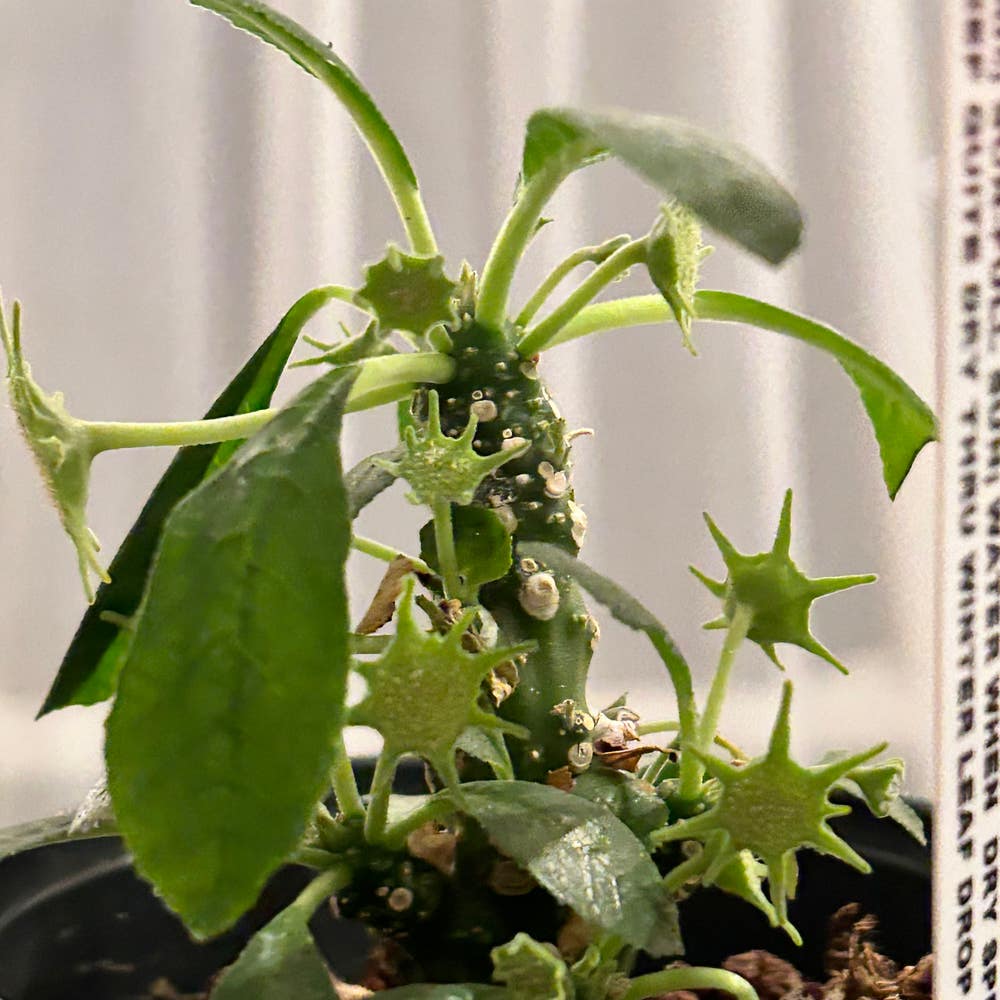
🕰 Lifespan of Dorstenia
Dorstenia gigas
By the Greg Editorial Team
Sep 30, 2024•5 min read
This article was created with the help of AI so we can cover more plants for you. May contain errors. See one? Report it here.
Master the growth stages of Dorstenia 🌱 to cultivate vibrant plants and enjoy a flourishing garden! 🌼
- 🌱 Dorstenia seeds germinate in 2-4 weeks with proper light and moisture.
- 🌞 Ideal temperature for growth is 20°C to 25°C (68°F to 77°F).
- 🌿 Full maturity takes 1-3 years, influenced by species and care conditions.
Germination Stage
Duration of Germination 🌱
The typical germination period for Dorstenia seeds ranges from 2 to 4 weeks. This timeframe can vary based on several factors, including temperature, moisture, and light conditions.
Factors Influencing Germination Time 🌡️
Temperature plays a crucial role in germination speed. Ideal conditions are between 20°C to 25°C (68°F to 77°F), where seeds thrive best.
Moisture levels are equally important. Seeds need consistent moisture without being waterlogged to sprout effectively.
Light conditions also matter. Providing indirect sunlight or partial shade helps prevent overheating, ensuring a successful start for your seeds.
Conditions for Successful Germination 🌿
To achieve optimal germination, use a well-draining, sterile potting mix. This prevents diseases and promotes healthy root development.
Maintaining the right environment is key. A balance of warmth, moisture, and light will set the stage for your Dorstenia seeds to flourish.
As your seeds begin to germinate, you'll be one step closer to nurturing vibrant plants. Next, we’ll explore the seedling stage and what to expect as your Dorstenia grows.
Seedling Stage
🌱 Duration of Seedling Growth
The seedling stage of Dorstenia typically lasts between 4 to 8 weeks after germination. This period is crucial as the plant transitions to the next stage when true leaves begin to develop.
🌿 Key Characteristics of Seedlings
Initially, seedlings display cotyledons, which are the first leaves that emerge. Following these, true leaves appear, marking significant growth.
Growth Habit
During this stage, seedlings tend to grow compact and upright, often forming a rosette shape. This growth habit helps them maximize light exposure while maintaining stability.
Watering Needs
Consistent moisture is essential for seedlings, but be cautious not to overwater. Avoid waterlogging to ensure healthy root development and prevent rot.
As seedlings mature, they set the foundation for the next stages of growth. Understanding their needs during this time is vital for nurturing a thriving Dorstenia plant.
Next, we will explore the vegetative growth stage, where the plant begins to exhibit more pronounced changes in structure and appearance.
Vegetative Growth Stage
Duration of Vegetative Growth 🌱
The vegetative growth stage of Dorstenia typically lasts between 6 months to several years. This duration can vary significantly based on the specific species and environmental conditions.
Changes in Plant Structure and Appearance 🌿
As Dorstenia matures, you'll notice substantial changes in its structure. Mature leaves grow larger and develop a more textured surface, enhancing the plant's overall aesthetic.
Growth Habit 🌼
During this stage, the growth habit can vary widely. Some plants may spread out, while others cluster together, forming dense rosettes that create a striking visual impact.
Root System Development 🌍
A robust root network establishes itself during vegetative growth. This strong foundation is crucial for effective nutrient uptake, ensuring the plant thrives as it continues to grow.
Understanding these aspects of the vegetative growth stage is essential for anyone looking to cultivate Dorstenia successfully. As the plant matures, it will require adjustments in care, setting the stage for the next exciting phase of its life cycle.
Flowering and Seed Production Stage
Duration of Flowering 🌼
The flowering period for Dorstenia varies by species, typically lasting between 2 to 4 weeks. This stage often aligns with specific seasons, influenced by environmental cues like temperature and light.
Description of Flowers and Pollination 🐝
Dorstenia flowers are known for their unique inflorescences, which are usually small and clustered. Pollination primarily occurs through insects, although some species have adapted to self-pollination.
Seed Production Timeline 🌱
After flowering, seed production takes about 4 to 6 weeks. During this time, the plant forms fruiting bodies that contain seeds, setting the stage for the next generation.
As we explore the growth rate and maturation of Dorstenia, we’ll uncover how these plants evolve and adapt throughout their life cycle.
Growth Rate and Maturation
🌱 How Long Until Fully Grown?
The timeline for Dorstenia to reach full maturity ranges from 1 to 3 years. This duration varies significantly based on the species and environmental conditions.
⏳ Factors Affecting Growth Rate
Several factors influence the growth rate of Dorstenia. Key environmental elements include light, temperature, humidity, and soil quality.
- Light: Adequate light promotes faster growth.
- Temperature: Warmer conditions can accelerate development.
- Humidity: Higher humidity levels often lead to better growth.
- Soil Quality: Nutrient-rich, well-draining soil supports robust growth.
Species-specific traits also play a role; some Dorstenia species are naturally faster growers than others.
📊 Comparison of Growth Rates
Understanding the differences in growth rates among species can help you choose the right one for your garden.
Fast-growing species: These typically thrive in optimal conditions and can quickly fill space. Examples include Dorstenia contrajerva, known for its vigorous growth.
Slow-growing species: These may take longer to establish and can be more delicate. Factors like limited light or poor soil can contribute to slower growth.
🔄 Notable Changes Throughout the Life Cycle
As Dorstenia matures, it undergoes several physical changes.
- Emergence of Cotyledons: The first leaves appear shortly after germination.
- Development of True Leaves: True leaves follow, marking the transition to a more established plant.
- Leaf Expansion: Mature leaves become larger and more textured, enhancing the plant's overall appearance.
- Appearance of Inflorescences: Flowering occurs as the plant reaches maturity, adding visual interest.
Care requirements also evolve with maturity.
- Watering Frequency: As the plant grows, you may need to adjust how often you water.
- Nutrient Needs: Older plants often require more nutrients to support their growth.
Environmental adaptations are crucial during different life stages.
- Light Requirements: Younger plants may need more shade, while mature plants can tolerate brighter conditions.
- Humidity Preferences: As they grow, some species may adapt to varying humidity levels, impacting their overall health.
Understanding these growth stages and changes can enhance your gardening experience, ensuring your Dorstenia thrives beautifully.
⚠️ Safety First
This content is for general information and may contain errors, omissions, or outdated details. It is not medical, veterinary advice, or an endorsement of therapeutic claims.
Always consult a qualified healthcare professional before using any plant as food, medicine, or supplement.
Never eat any plant (or feed one to pets) without confirming its identity with at least two trusted sources.
If you suspect poisoning, call Poison Control (800) 222-1222, the Pet Poison Helpline (800) 213-6680, or your local emergency service immediately.
Spotted an error? Please report it here.
Unlock the secrets of Dorstenia's lifespan 🌿 with Greg's tailored watering plans and reminders, ensuring your plants flourish from seed to full maturity!