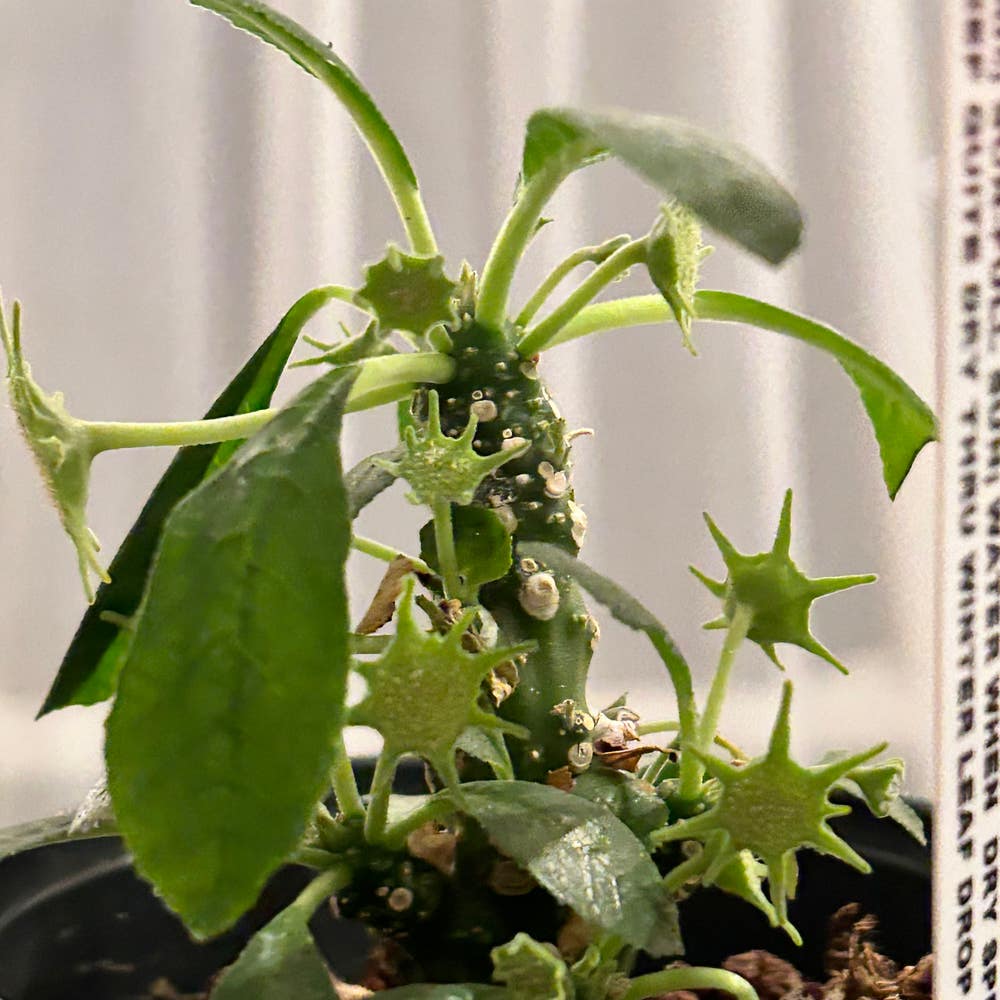
Why Dorstenia Is Not an Annual 🌵
Dorstenia gigas
By the Greg Editorial Team
Sep 30, 2024•6 min read
This article was created with the help of AI so we can cover more plants for you. May contain errors. See one? Report it here.
Unlock the secrets of Dorstenia 🌱 for a resilient, stunning garden that thrives year after year!
- 🌱 Dorstenia is a perennial, thriving for years due to its genetic traits.
- 🌍 Adaptable chromosome structures enable Dorstenia to flourish in diverse environments.
- 🌿 Deep roots and rosette leaves enhance nutrient absorption and photosynthesis efficiency.
Dorstenia's Perennial Nature
🌱 Genetic Characteristics
Dorstenia plants exhibit unique chromosome structures that contribute to their genetic stability and adaptability. This genetic makeup allows them to thrive in diverse environments, ensuring their survival over time.
The genetic traits of Dorstenia promote longevity and resilience. These traits enable the plant to withstand various stresses, making it a robust choice for gardeners seeking perennials.
🌿 Physiological Traits Supporting Perennial Growth
The leaf structure of Dorstenia is characterized by rosette formation, which plays a crucial role in photosynthesis. This arrangement maximizes light capture, enhancing the plant's ability to produce energy efficiently.
Additionally, Dorstenia has a deep and extensive root system. This allows for effective nutrient and water absorption, supporting its growth even in challenging conditions.
⏳ Long-Term Lifecycle
Typically, Dorstenia has a lifespan of several years, with some species living even longer. This longevity is a hallmark of its perennial nature, distinguishing it from annual plants.
Seasonal growth patterns are also notable. Dorstenia enters dormancy during unfavorable conditions, only to regrow when the environment becomes more hospitable, showcasing its adaptability to changing climates.
This understanding of Dorstenia's perennial nature sets the stage for exploring its growth and reproductive strategies. Let's dive into how these plants thrive and reproduce over time.
Growth and Reproductive Strategies
Growth Patterns Compared to Annuals 🌱
Dorstenia exhibits a slower initial growth rate compared to annual plants, but this is balanced by its ability to sustain growth over many years. This longevity allows Dorstenia to develop robust structures, including distinctive rosettes that enhance its photosynthetic efficiency.
The formation of these rosettes is crucial for the plant's survival, as they enable it to capture sunlight effectively. Over time, Dorstenia also develops flowering structures that contribute to its unique aesthetic appeal.
Flowering Cycles and Seed Production 🌼
One of the remarkable aspects of Dorstenia is its multiple flowering events throughout the seasons. This continuous blooming not only adds beauty to gardens but also increases the chances of successful pollination.
In terms of seed production, Dorstenia employs various mechanisms for dispersal and germination. These strategies ensure that its seeds can thrive in diverse environments, further solidifying its status as a resilient perennial.
Unique Reproductive Strategies 🌿
Dorstenia has fascinating reproductive strategies, including the potential for asexual reproduction through vegetative propagation. This ability allows the plant to spread and establish itself in new areas without relying solely on seeds.
Additionally, Dorstenia has developed specific pollination strategies to attract the right pollinators. By catering to particular species, it enhances its chances of successful reproduction, ensuring its survival in various habitats.
As we explore the misconceptions surrounding Dorstenia, it's essential to understand how its growth and reproductive strategies contribute to its classification as a perennial.
Misconceptions and Exceptions
🌪️ Conditions Leading to Misclassification
Environmental stress can significantly impact Dorstenia's growth. Factors like drought, extreme temperatures, or poor soil conditions may lead to reduced growth or even premature die-off, causing some to mistakenly classify it as an annual.
Mismanagement also plays a crucial role in these misconceptions. Incorrect care practices, such as overwatering or inadequate sunlight, can hinder Dorstenia's natural lifecycle, leading to confusion about its perennial nature.
🌍 Regional Variations Affecting Classification
Climate influences how Dorstenia grows and thrives. In harsher climates, its growth patterns may differ, making it appear more like an annual than it truly is.
Local gardening practices further affect perceptions of Dorstenia. Variations in care, such as watering frequency and soil quality, can lead to differing experiences, reinforcing the misconception that it is an annual plant.
Understanding these factors can help gardeners appreciate Dorstenia's true nature and ensure it flourishes in their gardens. With the right conditions and care, this resilient plant can thrive for years, adding beauty and diversity to any landscape.
Gardening Implications
🌼 Advantages in Garden Design
Dorstenia brings a unique aesthetic to any garden with its striking foliage and distinctive flowering structures. These plants not only enhance visual appeal but also serve as conversation starters, making them a favorite among garden enthusiasts.
In addition to their beauty, Dorstenia contributes significantly to biodiversity. By attracting various pollinators and providing habitat for beneficial insects, these perennials play a crucial role in creating a balanced ecosystem.
🌱 Planning for Perennial Growth in Layouts
When designing your garden, consider companion planting with Dorstenia. Pairing it with plants that share similar water and light requirements can create a harmonious environment, enhancing growth and visual interest.
Seasonal interest is another key factor in garden design. By selecting a variety of plants that bloom at different times, you can ensure that your garden remains vibrant and engaging throughout the year.
🌿 Tips for Maximizing Longevity
To keep your Dorstenia thriving, focus on soil requirements. Well-draining, nutrient-rich soil is essential for healthy growth, preventing root rot and promoting robust development.
Watering practices are equally important. Aim for consistent moisture without waterlogging, allowing the roots to absorb what they need while avoiding excess saturation.
With these strategies in mind, you can cultivate a flourishing garden that showcases the beauty and resilience of Dorstenia. Transitioning from gardening implications, let’s explore best practices for managing this perennial effectively.
Management and Care
Best Practices for Managing as a Perennial 🌱
Managing Dorstenia effectively requires understanding its unique needs.
Pruning Techniques
Regular pruning encourages healthy growth and vibrant flowering. Trim back any dead or damaged leaves to promote new growth and maintain the plant's shape.
Fertilization Schedule
Dorstenia thrives on a balanced fertilization schedule. Use a slow-release fertilizer during the growing season to ensure it receives essential nutrients.
Seasonal Considerations for Care 🌦️
Understanding seasonal changes is crucial for Dorstenia care.
Spring Awakening
As temperatures rise, look for signs of growth like new leaves emerging. Adjust your care routine by increasing watering to support this active growth phase.
Winter Dormancy
Prepare Dorstenia for colder months by reducing watering and protecting it from frost. This dormancy is natural and essential for its long-term health.
Common Challenges and Solutions ⚠️
Even the hardiest plants face challenges.
Pest Management
Keep an eye out for common pests like aphids and spider mites. Regular inspections and organic insecticides can help control infestations effectively.
Disease Prevention
Maintaining good air circulation and avoiding overwatering are key to preventing diseases. Healthy practices will keep your Dorstenia thriving.
With these management tips, you can ensure your Dorstenia remains a stunning perennial in your garden. Next, let’s explore the gardening implications of incorporating this unique plant into your landscape.
⚠️ Safety First
This content is for general information and may contain errors, omissions, or outdated details. It is not medical, veterinary advice, or an endorsement of therapeutic claims.
Always consult a qualified healthcare professional before using any plant as food, medicine, or supplement.
Never eat any plant (or feed one to pets) without confirming its identity with at least two trusted sources.
If you suspect poisoning, call Poison Control (800) 222-1222, the Pet Poison Helpline (800) 213-6680, or your local emergency service immediately.
Spotted an error? Please report it here.
Unlock the secrets of your Dorstenia's longevity 🌿 with Greg's tailored care tips and watering reminders, ensuring it thrives beautifully for years to come!