🌞 Optimal Hardiness Zones for Dorstenia: 11a-12b
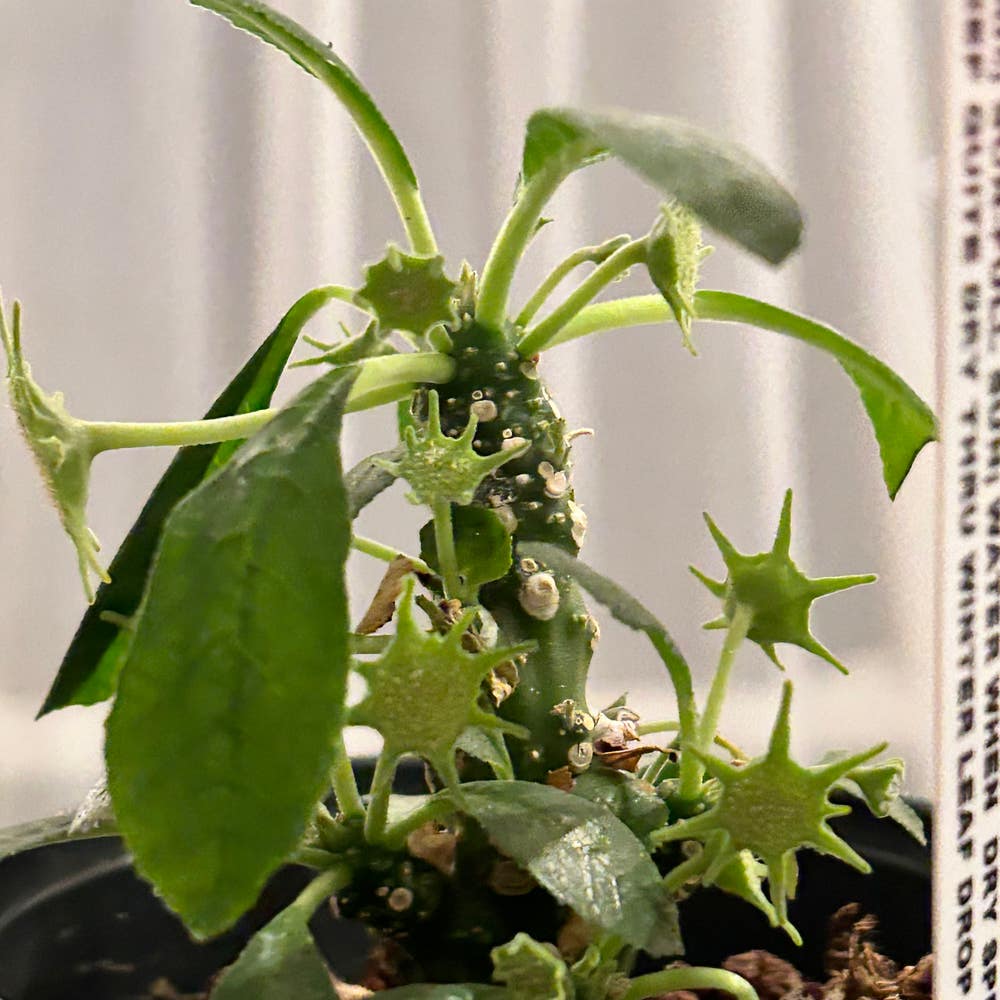
Dorstenia gigas
By the Greg Editorial Team
Sep 30, 2024•5 min read
This article was created with the help of AI so we can cover more plants for you. May contain errors. See one? Report it here.
Master Dorstenia's temperature tolerance 🌡️ to cultivate vibrant plants in your garden with ease!
- 🌡️ Dorstenia thrives in USDA zones 11a-12b, ideal for warm climates.
- ❄️ Frost sensitivity varies; some species tolerate cold better than others.
- 🌱 Well-drained soil and humidity are crucial for healthy Dorstenia growth.
Dorstenia Temperature Tolerance
❄️ Cold Tolerance
Dorstenia species generally thrive in warmer climates, but some can tolerate cooler temperatures. Most can handle temperatures down to 30°F (-1°C), though prolonged exposure can lead to frost damage.
Frost sensitivity varies among species. For instance, Dorstenia contrajerva is particularly vulnerable, while others like Dorstenia foetida show more resilience. Understanding these differences is crucial for successful cultivation.
🔥 Heat Tolerance
When it comes to heat, Dorstenia is quite adaptable. Many species can withstand temperatures exceeding 100°F (38°C) without significant stress.
These plants have developed several adaptations to cope with high temperatures. For example, they often have thicker leaves to reduce water loss and can enter a state of dormancy during extreme heat.
🌡️ Specific Temperature Ranges
For optimal growth, Dorstenia prefers a temperature range between 65°F to 85°F (18°C to 29°C). Staying within this range promotes healthy development and vibrant foliage.
However, it's essential to monitor for stress. Temperatures below 30°F can cause cold stress, while those above 100°F may lead to heat stress, impacting overall plant health. Understanding these thresholds will help you create the best environment for your Dorstenia.
As we explore the ideal regions for growing Dorstenia, keep in mind how temperature tolerance plays a vital role in their success.
Ideal Regions for Growing Dorstenia
🌎 Examples of US States in Zones 11a-12b
Dorstenia thrives in warm climates, making states like Florida, California, and Hawaii prime locations for cultivation. These regions offer the consistent warmth and humidity that Dorstenia needs to flourish.
Florida boasts a tropical climate with ample rainfall, providing ideal conditions for Dorstenia's growth. California, with its diverse microclimates, offers both coastal and inland areas that support various Dorstenia species. Hawaii's volcanic soil and warm temperatures create a paradise for these plants.
🌱 Factors Contributing to Ideal Growing Conditions
For optimal growth, Dorstenia prefers well-drained soils. This prevents root rot and promotes healthy development.
Climate factors are equally crucial. Consistent warmth and humidity levels help maintain the plant's health, allowing it to thrive without stress.
📊 Comparison of Different Regions Within the Suitable Zones
While Florida, California, and Hawaii are all suitable for Dorstenia, local conditions can vary significantly. For instance, coastal areas in California may have cooler temperatures compared to the hotter inland regions.
Soil composition also differs across these states. Understanding these variations can help growers tailor their care for Dorstenia, ensuring robust growth and vibrant health.
As you explore the best regions for Dorstenia, consider how these factors interplay to create the perfect environment for your plants. Next, we'll delve into the microclimates that can further influence Dorstenia growth.
Microclimates and Dorstenia
🌡️ How Microclimates Can Affect Dorstenia Growth
Microclimates play a crucial role in the growth of Dorstenia. These localized climate variations can significantly impact temperature and humidity levels, creating conditions that either enhance or hinder plant health.
For instance, a slight elevation in temperature can lead to accelerated growth, while increased humidity can promote lush foliage. Conversely, unfavorable microclimates may expose Dorstenia to stress, affecting their overall vitality.
🌍 Examples of Microclimate Variations in Suitable Zones
In states like California and Florida, microclimates are abundant and diverse. Coastal regions often experience milder temperatures due to ocean breezes, which can be beneficial for Dorstenia.
Urban areas, on the other hand, can create heat islands, raising local temperatures and altering humidity levels. These variations highlight the importance of understanding local conditions for successful Dorstenia cultivation.
By recognizing how microclimates influence growth, gardeners can better tailor their care strategies to optimize plant health. This knowledge is essential for thriving Dorstenia in diverse environments.
As we explore the broader implications of state-level suitability, understanding these microclimate effects will further enhance our appreciation for Dorstenia cultivation.
State-Level Suitability for Dorstenia
🌞 List of US States Suitable for Dorstenia
Dorstenia thrives in USDA hardiness zones 11a to 12b. Here’s a quick rundown of states where you can successfully cultivate these fascinating plants:
Florida: Known for its warm, humid climate, Florida offers ideal conditions for Dorstenia. The consistent temperatures and ample rainfall create a perfect environment for growth.
California: With its diverse microclimates, California provides regions that are warm and well-drained. Coastal areas, in particular, offer the humidity Dorstenia loves.
Hawaii: The tropical climate of Hawaii is a natural fit for Dorstenia. The warm temperatures and rich volcanic soils support robust growth.
Texas: In southern Texas, the climate aligns well with Dorstenia's needs. The warm temperatures and varied landscapes allow for successful cultivation.
Louisiana: The humid subtropical climate in Louisiana is conducive to Dorstenia growth. The warm temperatures and moisture-rich environment are ideal.
🚫 List of US States Unsuitable for Dorstenia
Not all states are friendly to Dorstenia. Here are some that fall outside the suitable hardiness zones:
Maine: The cold winters and short growing season make Maine unsuitable for Dorstenia. Frost can linger well into spring, hampering growth.
North Dakota: With harsh winters and extreme temperature fluctuations, North Dakota is not a viable option for these plants.
Montana: The cold climate and significant frost dates limit the potential for successful Dorstenia cultivation in Montana.
Vermont: Similar to Maine, Vermont's long, cold winters and short summers create an inhospitable environment for Dorstenia.
🌡️ Reasons for Suitability or Unsuitability Based on Climate Factors
Understanding climate factors is crucial for Dorstenia cultivation. Here are key points to consider:
Temperature Extremes: Dorstenia prefers consistent warmth. States with extreme temperature fluctuations can stress the plants, leading to poor growth.
Frost Dates: Knowing the first and last frost dates is essential. Dorstenia is sensitive to frost, and late spring frosts can damage young plants.
Growing Seasons: A longer growing season allows for better establishment and growth. States with shorter seasons may not provide enough time for Dorstenia to thrive.
By considering these factors, you can better understand where Dorstenia will flourish and where it won't. This knowledge empowers you to make informed decisions about your gardening endeavors.
As we explore further, let's dive into how microclimates can significantly impact Dorstenia growth and health.
⚠️ Safety First
This content is for general information and may contain errors, omissions, or outdated details. It is not medical, veterinary advice, or an endorsement of therapeutic claims.
Always consult a qualified healthcare professional before using any plant as food, medicine, or supplement.
Never eat any plant (or feed one to pets) without confirming its identity with at least two trusted sources.
If you suspect poisoning, call Poison Control (800) 222-1222, the Pet Poison Helpline (800) 213-6680, or your local emergency service immediately.
Spotted an error? Please report it here.
Cultivating thriving Dorstenia 🌿 in zones 11a-12b is a breeze with Greg's tailored care plans that ensure your plants get the perfect temperature and humidity they crave!