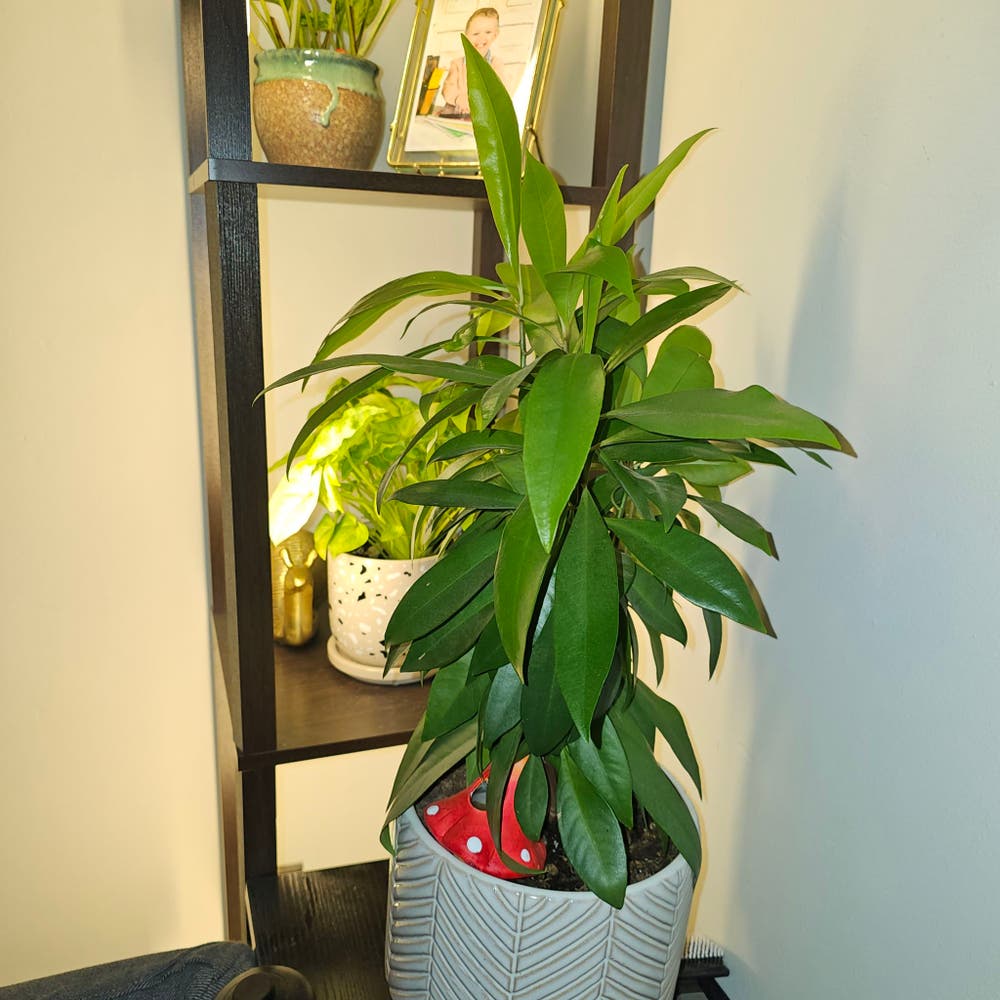
10 Perfect Spots to Plant Your Ardisia 🧑🌾
Ardisia awarum
By the Greg Editorial Team
Nov 26, 2024•5 min read
This article was created with the help of AI so we can cover more plants for you. May contain errors. See one? Report it here.
Unlock a vibrant garden with thriving Ardisia by mastering its sunlight, soil, and drainage needs! 🌱
- 🌳 Ardisia thrives in partial to full shade, avoiding direct afternoon sun for optimal growth.
- 🌱 Well-draining, slightly acidic soil is essential for healthy Ardisia plants.
- 🌬️ Wind protection is crucial to prevent damage to Ardisia's foliage and berries.
Sunlight Exposure Requirements
When it comes to planting Ardisia, understanding its sunlight exposure needs is crucial. These plants thrive in optimal light conditions ranging from partial shade to full shade.
🌤️ Tolerance to Sunlight
While Ardisia can tolerate some direct sunlight, it truly prefers filtered light. This means that if you can provide a bit of shade, your plant will thank you with lush growth and vibrant berries.
🚨 Signs of Inadequate Light
Keep an eye out for signs that your Ardisia isn't getting enough light. Yellowing leaves and stunted growth are clear indicators that it’s time to reassess its placement.
🏡 Best Practices for Placement
To ensure your Ardisia flourishes, avoid direct afternoon sun. Instead, consider positioning it where it can benefit from dappled light, perhaps under taller plants or structures that provide a gentle filter.
By following these guidelines, you can create the perfect environment for your Ardisia to thrive. Next, let’s explore the soil type preferences that will further enhance its growth.
Soil Type Preferences
When planting Ardisia, the right soil is crucial for its health and growth. Aim for well-draining, rich organic soil to create an ideal environment for these beautiful plants.
🌱 Ideal Soil Conditions
Ardisia thrives in slightly acidic soil, with a pH level between 5.5 and 6.5. This pH range helps the plant absorb nutrients effectively, promoting vibrant foliage and fruit.
🏺 Best Soil Types
Two soil types work particularly well for Ardisia:
- Loamy Soil: This type retains moisture while allowing excess water to drain away, creating a balanced environment.
- Sandy Soil: While it provides excellent drainage, sandy soil may need organic amendments to enhance its nutrient content.
🚩 Signs of Poor Soil Conditions
Keep an eye out for signs that your Ardisia isn't happy with its soil. Poor growth and root rot are clear indicators that the soil conditions may not be suitable.
🌿 Improving Soil Quality
To ensure your Ardisia flourishes, consider amending your soil with organic matter like compost or peat moss. This will boost nutrient levels and improve moisture retention.
By understanding and catering to Ardisia's soil preferences, you set the stage for a thriving plant. Next, let’s explore how to strategically position your Ardisia for optimal growth and aesthetic appeal.
Proximity to Structures and Other Plants
Strategic placement of your Ardisia can significantly enhance your garden's aesthetic appeal. The attractive foliage and vibrant berries not only beautify your space but also provide shelter from wind and harsh weather conditions.
📏 Recommended Distances from Structures
To ensure your Ardisia thrives, maintain a distance of 2-3 feet from walls. This space allows for proper air circulation, which is crucial for healthy growth.
When planting near other plants, aim for a distance of 3-5 feet. This prevents competition for nutrients and ensures each plant has enough room to flourish.
🌱 Considerations for Companion Planting
Choosing the right companions for your Ardisia is essential. Opt for plants that share similar light and water needs to create a harmonious garden environment.
By strategically placing your Ardisia, you not only enhance its growth but also contribute to a more vibrant and resilient garden. Next, let’s explore the importance of wind protection for your Ardisia and how to implement effective strategies.
Wind Protection Considerations
Wind protection is crucial for the health of your Ardisia plants. It not only prevents damage to their delicate foliage and vibrant berries but also reduces stress during extreme weather conditions.
🌬️ Effective Windbreak Strategies
To shield your Ardisia from harsh winds, consider these effective strategies:
- Planting Near Taller Shrubs or Trees: Positioning your Ardisia close to taller plants can create a natural barrier against strong gusts.
- Using Fences or Trellises: Installing fences or trellises can provide additional protection, acting as a solid windbreak.
🌪️ Signs of Wind Damage
Keep an eye out for signs that your Ardisia may be suffering from wind exposure. Torn leaves and broken branches are clear indicators that your plants need better protection.
By implementing these wind protection strategies, you can ensure your Ardisia thrives in a safe environment. Next, let’s explore the drainage needs and solutions to keep your plants healthy and flourishing.
Drainage Needs and Solutions
Understanding the drainage requirements for your Ardisia is crucial. This plant thrives in well-draining soil, which helps prevent root rot and promotes healthy growth.
🚫 Signs of Poor Drainage
Recognizing the signs of inadequate drainage can save your plant from distress. Look out for water pooling around the base or yellowing leaves, both indicators that your Ardisia may be struggling.
💧 Solutions for Improving Drainage
Improving drainage is essential for the health of your Ardisia. Here are some effective strategies:
Amend the Soil: Incorporate organic matter like compost or peat moss to enhance soil structure and drainage.
Create Raised Beds: Building raised beds or mounds can facilitate better water flow, keeping the roots dry and happy.
Install Drainage Systems: If you’re facing persistent drainage issues, consider installing drainage systems to manage excess water effectively.
By implementing these solutions, you can create an optimal environment for your Ardisia to flourish. With proper drainage, your plant will not only survive but thrive, showcasing its beautiful foliage and berries.
As you consider these drainage solutions, think about how they can integrate with other aspects of your garden. Next, let’s explore the importance of wind protection for your Ardisia.
⚠️ Safety First
This content is for general information and may contain errors, omissions, or outdated details. It is not medical, veterinary advice, or an endorsement of therapeutic claims.
Always consult a qualified healthcare professional before using any plant as food, medicine, or supplement.
Never eat any plant (or feed one to pets) without confirming its identity with at least two trusted sources.
If you suspect poisoning, call Poison Control (800) 222-1222, the Pet Poison Helpline (800) 213-6680, or your local emergency service immediately.
Spotted an error? Please report it here.
Position your Ardisia for vibrant growth 🌱 by using Greg's tailored care tips and reminders to ensure optimal light and soil conditions for thriving plants!