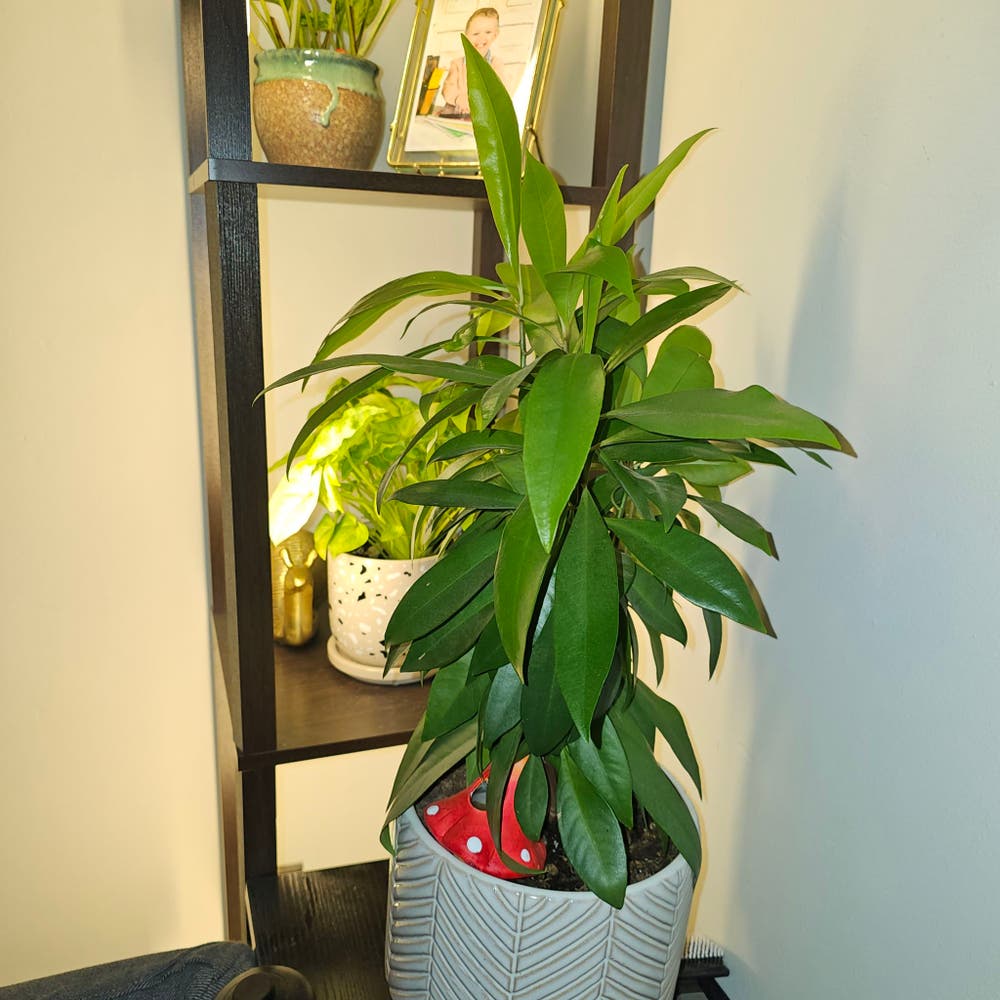
☀️ Direct Sunlight and Your Ardisia
Ardisia awarum
By the Greg Editorial Team
Nov 26, 2024•4 min read
This article was created with the help of AI so we can cover more plants for you. May contain errors. See one? Report it here.
Unlock vibrant growth for your Ardisia 🌱 by mastering its sunlight needs and avoiding common pitfalls! ☀️
- 🌞 Ardisia thrives in bright, indirect light, avoiding direct sunlight to prevent stress.
- 🪴 Signs of sunlight stress include wilting and discoloration; adjust placement accordingly.
- 🕶️ Use sheer curtains to filter intense sunlight, protecting your Ardisia's health.
Definition of Direct Sunlight
🌞 Explanation Suitable for Children
Direct sunlight is the light that comes straight from the sun without anything blocking it. Imagine standing outside on a sunny day with no trees or buildings around you; that’s direct sunlight!
🌤️ Contrast with Indirect Sunlight
Indirect sunlight, on the other hand, is light that is softened or filtered. For example, when you sit under a tree, the sunlight that reaches you is scattered and not as strong as the direct rays.
Ardisia's Sunlight Needs
🌞 Does Ardisia Need Direct Sunlight?
Ardisia doesn't need direct sunlight to thrive. Instead, it prefers bright, indirect light for optimal growth, making it a great choice for indoor spaces.
🌅 Can Ardisia Tolerate Direct Sunlight?
While Ardisia can tolerate some direct sunlight, this exposure should be limited to short periods. Morning sun is ideal, as it’s less intense and can actually benefit the plant.
🔥 Effects of Too Much Direct Sunlight on Ardisia
Too much direct sunlight can lead to leaf burn, which manifests as browning edges and wilting leaves. Additionally, excessive sunlight may stunt growth, hindering the overall health and flowering potential of your Ardisia.
Understanding these sunlight needs is crucial for maintaining a healthy Ardisia. Next, we’ll explore how window direction impacts the sunlight your plant receives.
Window Direction and Sunlight
🌍 Importance of Window Direction
The direction your windows face plays a crucial role in how much sunlight your Ardisia receives.
- South-facing windows: These windows get the most direct sunlight all day long, which can be too intense for your Ardisia.
- East-facing windows: They provide gentle morning light, making them a great choice for your plant.
- West-facing windows: Expect intense afternoon sun here, so you might need to protect your Ardisia from the harsh rays.
- North-facing windows: Typically offer indirect light, which is ideal for Ardisia's growth.
☀️ Sunlight Intensity by Hemisphere
Understanding sunlight intensity varies by hemisphere is essential for optimal plant care.
- Northern Hemisphere: Longer summer days mean more sunlight exposure, which can affect your Ardisia's health.
- Southern Hemisphere: Seasonal patterns differ, so it's vital to grasp local conditions for your plant's needs.
- Seasonal variations: Be prepared to adjust your Ardisia's placement based on changing light intensity throughout the year.
By keeping these factors in mind, you can create the perfect environment for your Ardisia to thrive. Next, let's explore how to identify signs of sunlight stress in your plant.
Signs of Sunlight Stress in Ardisia
🌞 Identifying Leaf Burn
Too much direct sunlight can lead to noticeable symptoms in your Ardisia. Look for browning edges and tips on the leaves, which indicate stress from excessive light.
Another sign is wilting or drooping leaves, suggesting your plant is struggling. If you notice these symptoms, it’s time to take action.
🌱 Recovery Tips for Stressed Ardisia
To help your Ardisia recover, move it to a shadier location where it can receive indirect light. Additionally, monitor its watering and humidity levels to ensure it gets the right care.
📈 Growth Patterns
The amount of sunlight your Ardisia receives directly impacts its growth rate and overall health. Optimal light conditions lead to lush, vibrant foliage that thrives.
Conversely, excessive direct sunlight can slow growth and reduce flowering, leaving your plant less than its best. Keeping an eye on these signs will help you maintain a healthy Ardisia.
As you learn to recognize these signs of sunlight stress, you’ll be better equipped to care for your plant. Next, let’s explore the best practices for positioning your Ardisia in relation to sunlight.
Best Practices for Ardisia in Direct Sunlight
🌞 Placement Tips
Finding the right spot for your Ardisia is crucial for its health. Position it near east-facing windows to soak up gentle morning light.
Avoid placing your Ardisia directly in south-facing windows unless you use sheer curtains to filter the intense sunlight. This will help protect the plant from potential stress.
🍂 Adjusting Placement Based on Seasonal Changes
As the seasons change, so does the intensity of sunlight. Be prepared to move your Ardisia to adapt to these variations, ensuring it receives the right amount of light year-round.
📏 Monitoring Light Conditions
To keep track of how much light your Ardisia is getting, consider using tools like light meters or smartphone apps. These can help you assess light levels accurately.
Regularly observe your plant's response to changes in light. Look for signs of stress, such as wilting or discoloration, and adjust its placement accordingly to promote healthy growth.
By following these best practices, you can ensure your Ardisia thrives in its environment. Next, let’s explore the signs of sunlight stress in Ardisia and how to identify them effectively.
⚠️ Safety First
This content is for general information and may contain errors, omissions, or outdated details. It is not medical, veterinary advice, or an endorsement of therapeutic claims.
Always consult a qualified healthcare professional before using any plant as food, medicine, or supplement.
Never eat any plant (or feed one to pets) without confirming its identity with at least two trusted sources.
If you suspect poisoning, call Poison Control (800) 222-1222, the Pet Poison Helpline (800) 213-6680, or your local emergency service immediately.
Spotted an error? Please report it here.
Keep your Ardisia thriving 🌱 by using Greg's tailored light monitoring tips and reminders to find its perfect spot away from harsh sunlight!