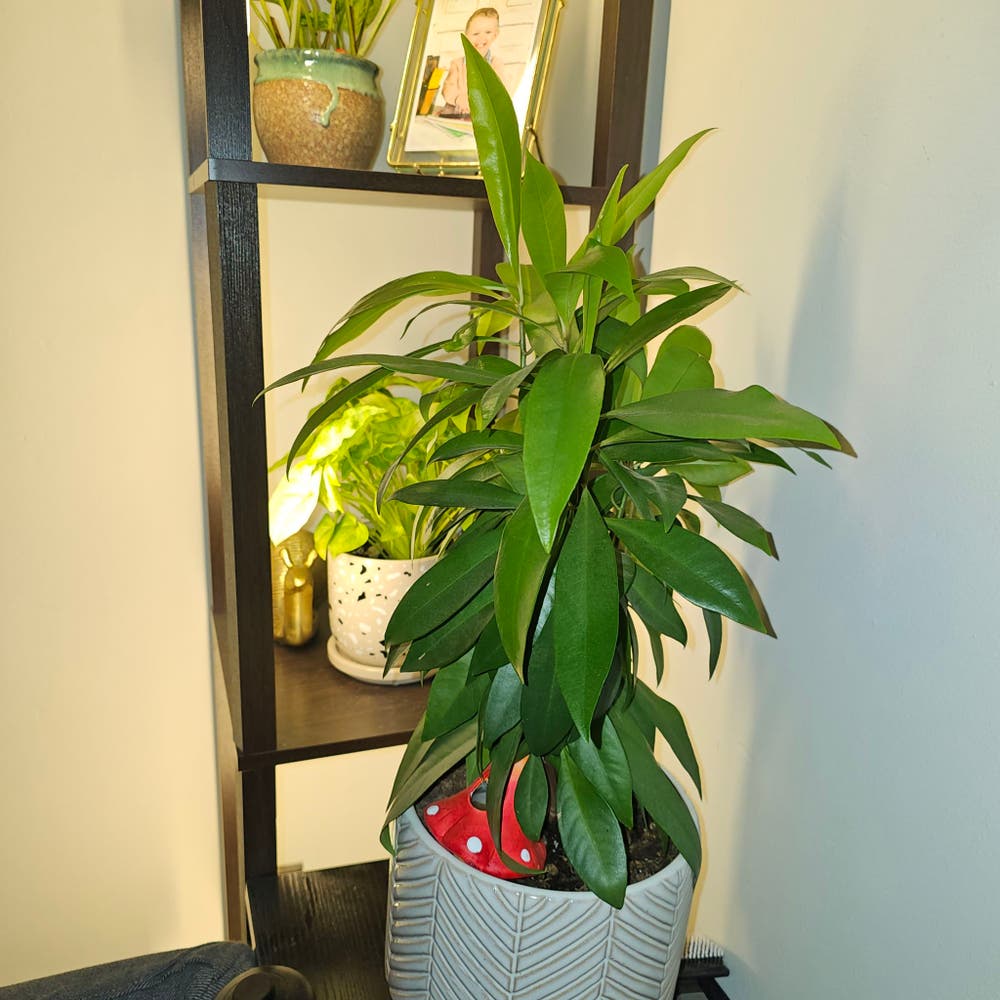
Best Light Conditions for Ardisia ☀️
Ardisia awarum
By the Greg Editorial Team
Nov 26, 2024•4 min read
This article was created with the help of AI so we can cover more plants for you. May contain errors. See one? Report it here.
Master Ardisia's light needs 🌞 to ensure vibrant growth and stunning blooms all year round! 🌱
- 🌞 Ardisia thrives in bright, indirect sunlight near east or north-facing windows.
- 🌿 Low light causes yellowing leaves and slow growth; monitor light exposure regularly.
- 💡 Use grow lights in winter or low light to ensure healthy growth and blooming.
Ardisia Light Requirements
Indoor Light Conditions 🌞
For optimal growth, Ardisia thrives in bright, indirect sunlight. This means placing your plant near east or north-facing windows where it can soak up the light without being scorched.
Low Light Tolerance 🌑
While Ardisia can adapt to lower light conditions, it’s not without its challenges. Inadequate light can lead to issues like yellowing leaves and slow growth, signaling that your plant might need a brighter spot.
Signs of Inadequate Light 🚨
Keep an eye out for signs that your Ardisia isn't getting enough light. Yellowing leaves, sluggish growth, and leaf drop are all indicators that it’s time to reassess its lighting situation.
By understanding these light requirements, you can ensure your Ardisia remains healthy and vibrant. Next, let’s explore the outdoor light conditions that can also benefit this beautiful plant.
Outdoor Light Conditions
🌤️ Optimal Outdoor Light
When it comes to outdoor light for Ardisia, the best exposure is filtered sunlight or partial shade. This environment mimics their natural habitat, allowing them to thrive without the harshness of direct sun.
🌳 Ideal Locations
Consider placing your Ardisia under trees or in garden beds that receive dappled light. These spots provide the gentle illumination that keeps your plant happy and healthy.
☀️ Bright Light Effects
While Ardisia enjoys light, too much can lead to leaf scorch and stress. It's crucial to monitor their exposure to ensure they don't suffer from the intense rays of the sun.
🍂 Seasonal Adjustments
As seasons change, so does the intensity of sunlight. Be ready to adapt your care practices, moving your Ardisia to more shaded areas during peak summer or allowing more light in during the winter months.
Understanding these outdoor light conditions will help you create the perfect environment for your Ardisia. Next, we’ll explore how light affects flowering and what you can do to encourage those beautiful blooms.
Effects of Light on Flowering
🌼 Flowering Light Needs
For Ardisia to bloom beautifully, it requires bright, indirect light. This specific lighting condition mimics its natural habitat, encouraging vibrant flowers.
🔄 Importance of Consistent Light Exposure
Consistency is key when it comes to light exposure. Regular access to the right light not only supports blooming but also helps maintain the overall health of the plant.
Inadequate light can lead to disappointing results, so ensure your Ardisia gets the light it craves. By providing the right conditions, you’ll set the stage for stunning blooms and a thriving plant.
As you optimize light conditions for flowering, remember to monitor your plant's response. This will help you adjust care practices as needed, ensuring your Ardisia remains a showstopper in your home or garden.
Use of Grow Lights
🌟 Benefits of Grow Lights
Grow lights can be a game changer for your Ardisia, especially in low natural light conditions or during the winter months. They provide the necessary light spectrum that these plants crave, ensuring they thrive even when sunlight is scarce.
💡 Types of Grow Lights
When choosing grow lights for your Ardisia, consider LED or fluorescent options. LEDs are energy-efficient and long-lasting, while fluorescent lights are more affordable and effective for smaller setups.
📏 Recommended Distance and Duration
For optimal growth, position your grow lights 12 to 24 inches above your Ardisia. Aim for 12 to 16 hours of exposure each day to mimic natural sunlight and encourage healthy growth.
🌱 Final Thoughts on Grow Lights
Using grow lights can significantly enhance your Ardisia's health and flowering potential. With the right setup, you'll create an ideal environment that keeps your plant vibrant and flourishing year-round.
Next, let's explore how to monitor and adjust light conditions to ensure your Ardisia continues to thrive.
Monitoring and Adjusting Light Conditions
Identifying Light Deficiency 🌑
Recognizing light deficiency in your Ardisia is crucial for its health. Common symptoms include leaf discoloration, slow growth, and poor flowering.
Solutions for Light Deficiency 💡
If you notice these signs, consider moving your plant to a brighter location. Alternatively, you can use supplemental lighting to boost its exposure.
Importance of Regular Monitoring 🔍
Regularly check your plant's condition to ensure it receives adequate light. Adjust your care practices based on its health, as this can significantly enhance its growth and flowering potential.
By staying attentive to your Ardisia's light needs, you can foster a thriving plant that brings beauty to your space. Next, let's explore the role of light in promoting flowering for your Ardisia.
⚠️ Safety First
This content is for general information and may contain errors, omissions, or outdated details. It is not medical, veterinary advice, or an endorsement of therapeutic claims.
Always consult a qualified healthcare professional before using any plant as food, medicine, or supplement.
Never eat any plant (or feed one to pets) without confirming its identity with at least two trusted sources.
If you suspect poisoning, call Poison Control (800) 222-1222, the Pet Poison Helpline (800) 213-6680, or your local emergency service immediately.
Spotted an error? Please report it here.
Keep your Ardisia blooming beautifully 🌼 by using Greg's tailored light reminders to ensure it gets the bright, indirect sunlight it craves!