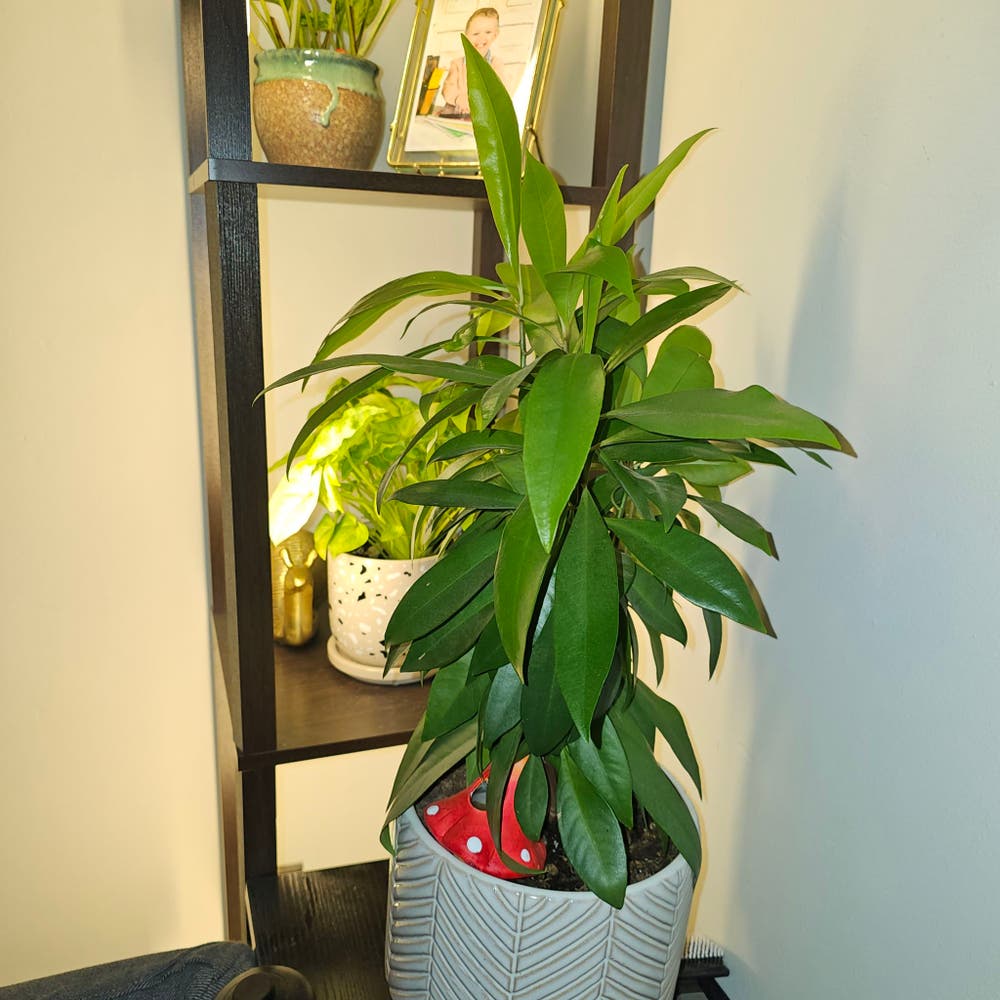
Best Temperature Conditions for Ardisia 🌡️
Ardisia awarum
By the Greg Editorial Team
Nov 26, 2024•2 min read
This article was created with the help of AI so we can cover more plants for you. May contain errors. See one? Report it here.
Ensure your Ardisia thrives 🌱 by mastering its ideal temperature range for vibrant growth and blooms! 🌡️
- 🌡️ Ardisia thrives between 60°F to 80°F; maintain this range for optimal health.
- ❄️🔥 Avoid temperatures below 50°F or above 90°F to prevent stress and damage.
- 🌱 Monitor for yellowing leaves and drooping stems as signs of temperature stress.
Temperature Requirements
Ideal Temperature Range 🌡️
For Ardisia to thrive, it prefers an optimal growth temperature between 60°F to 80°F (15°C to 27°C). Maintaining this range is crucial for promoting healthy foliage and vibrant flowering.
Temperature Thresholds 🚦
Understanding temperature thresholds is essential for Ardisia care. The minimum threshold is 50°F (10°C); dropping below this can lead to cold stress, while exceeding 90°F (32°C) can cause heat stress. This narrow range highlights the importance of consistent temperature management for ideal growth conditions.
Signs of Temperature Stress ⚠️
Temperature stress can manifest in several ways. Look for visual indicators like yellowing leaves, drooping stems, and leaf curling. Behavioral changes, such as a slowed growth rate and reduced flowering, are also common signs that your plant is struggling.
Causes of Temperature Stress ❄️🔥
Several factors can contribute to temperature stress in Ardisia. Rapid temperature fluctuations, such as sudden drops or spikes, can be detrimental. Additionally, inadequate acclimatization to new environments and environmental factors like drafts, heat sources, or cold windows can exacerbate the issue.
Recovery Strategies 🛠️
If your Ardisia shows signs of temperature stress, immediate action is key. Relocate the plant to a more suitable temperature zone to provide relief. Gradual acclimatization is also important; slowly introduce the plant to new temperature conditions. Finally, monitor and adjust your care practices to support recovery effectively.
By understanding these temperature requirements, you can ensure your Ardisia remains healthy and vibrant, ready to transition into the next topic on signs of temperature stress.
⚠️ Safety First
This content is for general information and may contain errors, omissions, or outdated details. It is not medical, veterinary advice, or an endorsement of therapeutic claims.
Always consult a qualified healthcare professional before using any plant as food, medicine, or supplement.
Never eat any plant (or feed one to pets) without confirming its identity with at least two trusted sources.
If you suspect poisoning, call Poison Control (800) 222-1222, the Pet Poison Helpline (800) 213-6680, or your local emergency service immediately.
Spotted an error? Please report it here.
Keep your Ardisia thriving 🌱 by using Greg's tailored reminders to maintain the perfect temperature and monitor its health for vibrant foliage and flowers!